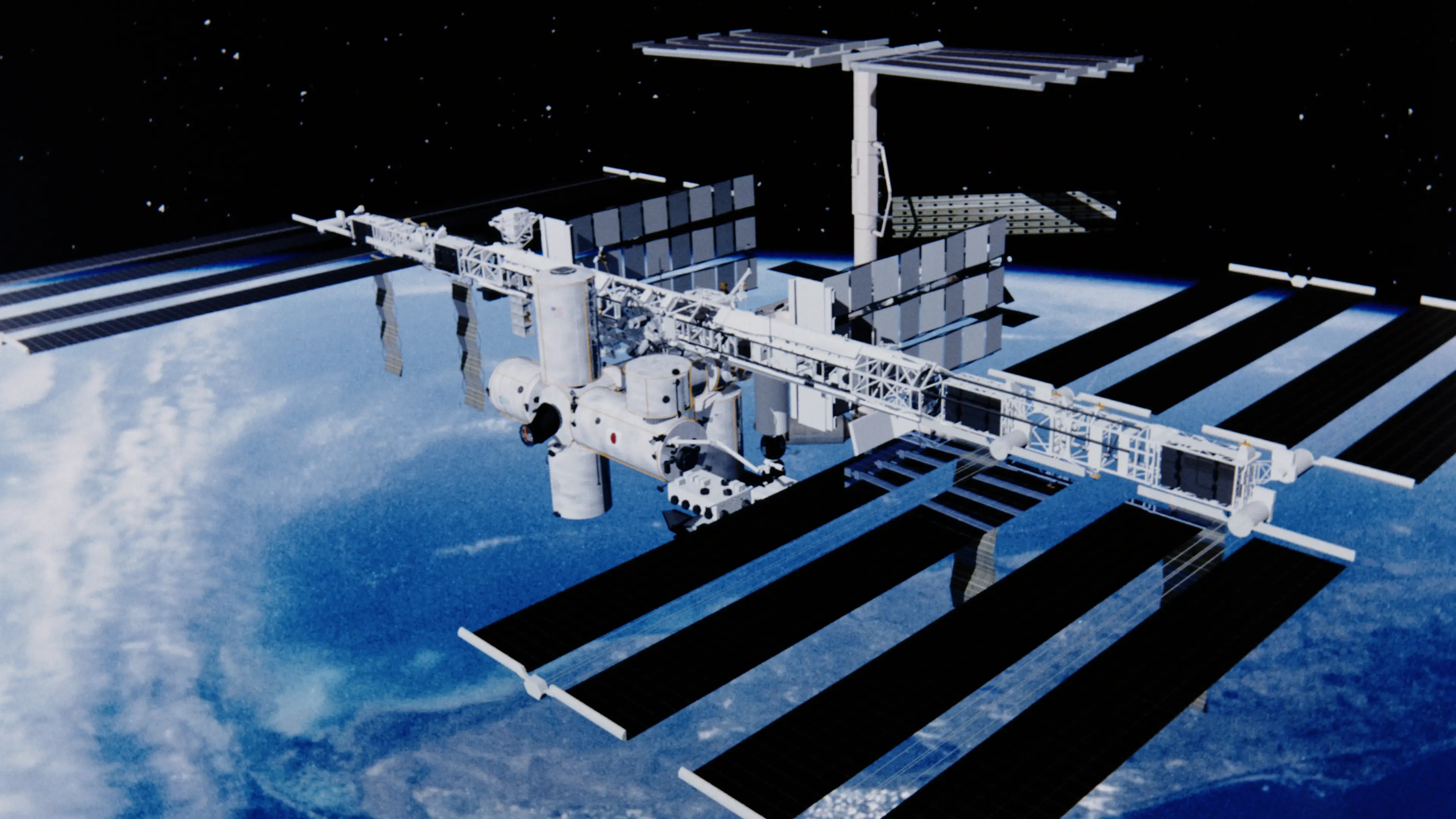
NASA astronaut on ISS captures cosmic aurora unlike anything you'll see on Earth

A NASA astronaut has left us in awe - and a little envious - after sharing her stunning view of the Southern Lights, captured from the International Space Station itself.
US Airforce major and NASA pilot Nichole Ayers was launched to the International Space Station (ISS) on March 14 as part of the space agency's Crew-10 Mission.
She's spending six months aboard the ISS alongside Anne McClain, Takuya Onishi, Kirill Peskov, Jonny Kim, Sergey Ryzhikov, and Alexey Zubritskiy.
During their stint, the crew - who took over from previously stranded Butch Wilmore and Suni Williams - are taking on scientific research, technology demonstrations and essential station maintenance.
Advert
One of the undeniable perks of being stationed 250 miles (400 kilometers) Earth has to be, of course, the breath-taking views.
From surreal glimpses of the Moon to astonishing images of swirling storms from above, life aboard the ISS offers rare perspective that completely changes how we see our world.
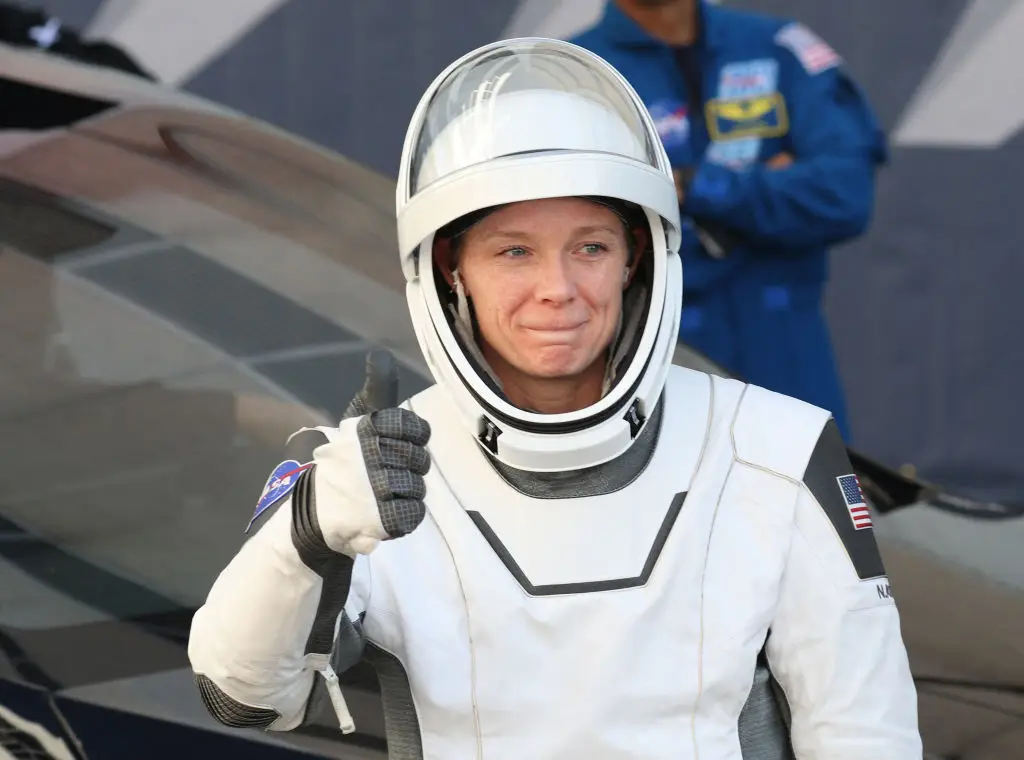
And Ayers has been keeping us updated, sharing photos and a beautiful video of an Aurora captured on Wednesday (June 4).
Taking to X (formerly Twitter), she wrote alongside a video clip:"I love looking out the side window of the cupola on the @Space_Station. This particular view is looking starboard toward Antarctica to catch the aurora - and look at the star movement!
"I’ve seen a lot of reds and greens in the aurora, but this one had some purple hues, as well. It’s just gorgeous."
In another post, she shared two of her favorite photos, adding: "The Sun has been pretty active over the last week, which means some phenomenal auroras! "The geomagnetic storm that lasted through this weekend did not disappoint.
"Our current orbit takes us right by the Southern Lights at night. Here are a few of my favorites!"
The posts prompted a flood of astonished responses from social media users, as one awe-struck person wrote: "That color palette is unreal. Thanks for continuing to bring these views down to us!"
"The best view of the Aurora is from space, thanks for sharing that view with us," a second agreed.
"How breathtaking!" a third wrote, as a fourth commented: "If this doesn’t make you stop scrolling…"
"Top-notch aurora views," another summarized.
The Southern Lights - also called Aurora Australis - occur when charged particles from the Sun collide with gases in our atmosphere, lighting up the sky in surreal waves of green, pink and even violet.
They come about exactly how the Northern Lights do, except they're visible in the southern hemisphere, in more remote spots including parts of Australia - like Tasmania - as well as southern New Zealand and Antarctica.
It's the Northern Lights that tend to steal the spotlight thanks to their accessibility in places like Norway, Sweden, Finland, Iceland, Canada and Alaska. Although, in the right conditions, they can be seen across the UK and parts of the US.
On Earth, our chances of catching an Aurora depend on so many factors, including cloud coverage, light pollution, time of day and which season we're in.
So if you're after the ultimate front-row seat to nature's most dazzling light show, you'd better find a way onto the ISS.
Topics: Space, International Space Station, NASA, Science
 Ellie Kemp