unilad homepage
unilad homepage
  • News
    • UK News
    • US News
    • World News
    • Crime
    • Health
    • Money
    • Sport
    • Travel
  • Music
  • Technology
  • Film and TV
    • News
    • DC Comics
    • Disney
    • Marvel
    • Netflix
  • Celebrity
  • Politics
  • Advertise
  • Terms
  • Privacy & Cookies
  • LADbible Group
  • LADbible
  • SPORTbible
  • GAMINGbible
  • Tyla
  • UNILAD Tech
  • FOODbible
  • License Our Content
  • About Us & Contact
  • Jobs
  • Latest
  • Archive
  • Topics A-Z
  • Authors
Facebook
Instagram
X
Threads
TikTok
YouTube
Submit Your Content
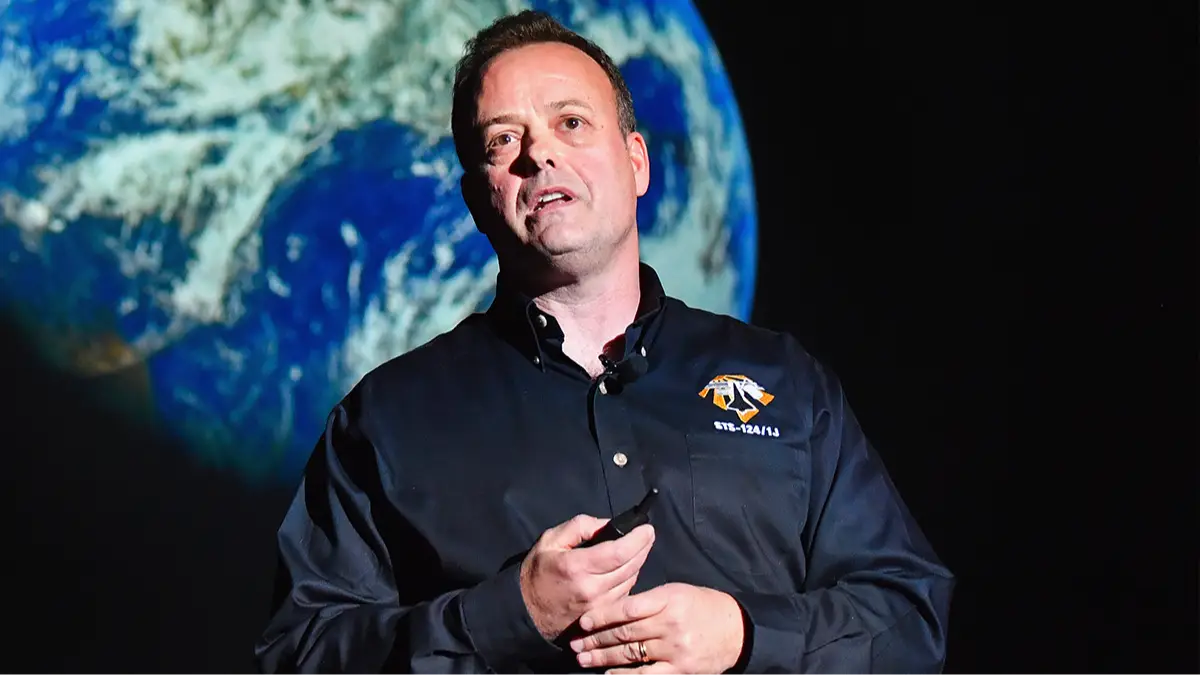
Astronaut who spent 178 days in space reveals 'big lie' he realized after seeing Earth
Home>News>World News
Published 08:56 24 Dec 2025 GMT

Astronaut who spent 178 days in space reveals 'big lie' he realized after seeing Earth

Ron Garan spent nearly six months in space

Kit Roberts

Kit Roberts

google discoverFollow us on Google Discover
Featured Image Credit: Erika Goldring/Getty Images

Topics: News, Environment, International Space Station, Space, NASA, US News, World News, Science

Kit Roberts
Kit Roberts

Kit joined UNILAD in 2023 as a community journalist. They have previously worked for StokeonTrentLive, the Daily Mirror, and the Daily Star.

Advert

Advert

Advert

An astronaut who spent nearly six months in space has shared a revelation he had while orbiting Earth.

Ron Garan was an astronaut with NASA and clocked up an impressive 178 days in space, orbiting Earth some 2,842 times.

It's hard for the vast majority of us who have not been to space to understand how it must feel to look down at our home, including the profound feelings this must generate in the people who go.

But Ron shared one of his biggest realisations that he came to during his nearly six months looking down at Earth from the International Space Station.

Advert

There's even a name for this, the 'Overview Effect', to describe the sensation that humans feel when we look down at our home.

For Ron, this meant he felt 'certain things become undeniably clear'.
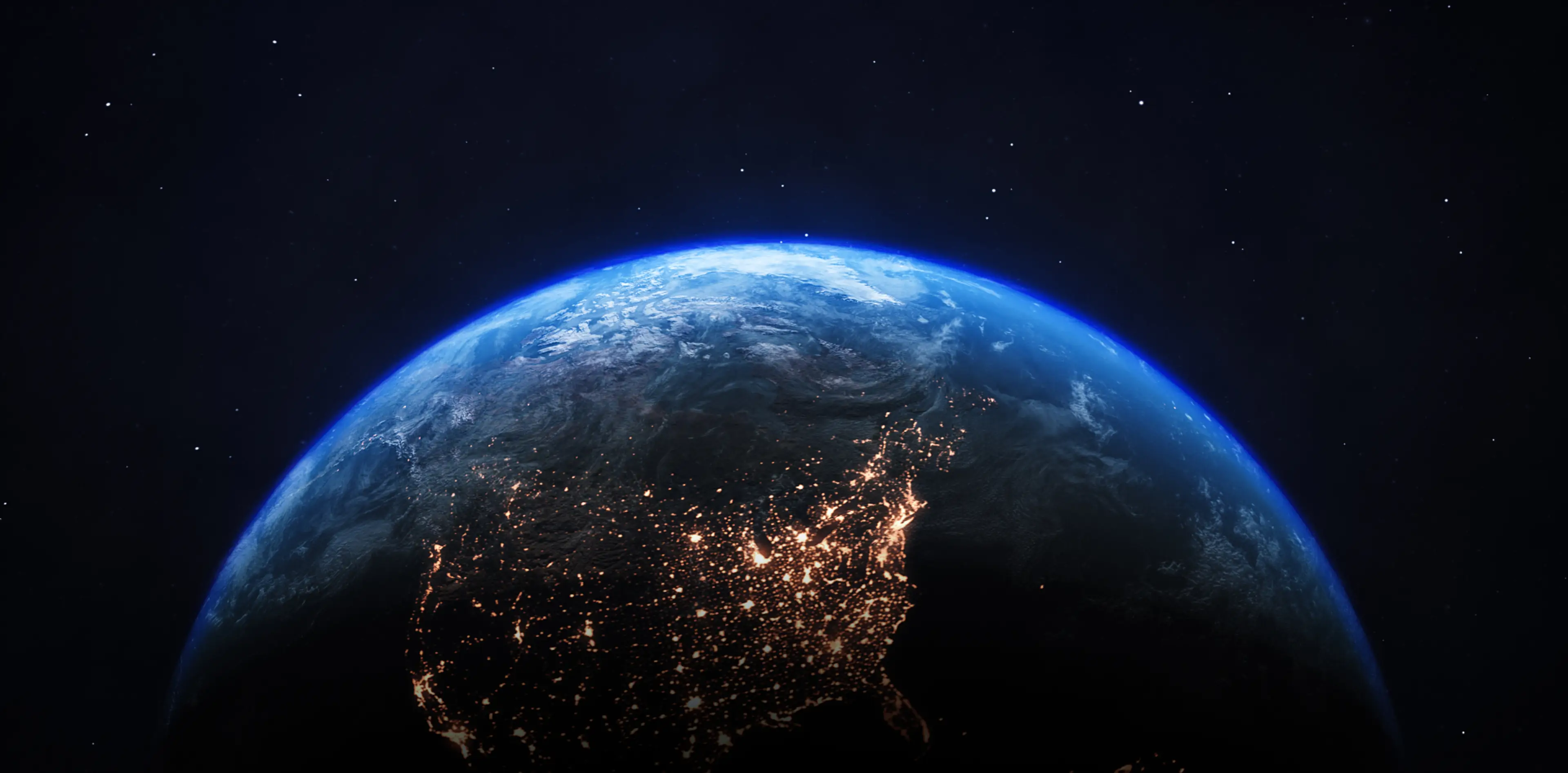
The 'Overview Effect' comes from looking down at Earth from outer space (fotograzia/Getty)

The astronaut sat down for an interview with Big Think, and explained that seeing the Earth from space reinforced to him just how fragile and interconnected life on Earth is.

"We keep trying to deal with issues such as global warming, deforestation, biodiversity loss as stand alone issues when in reality they're just symptoms of the underlying root problem," he said.

"And the problem is, that we don't see ourselves as planetary."

Describing his experience, he said: "When I looked out of the window of the International Space Station, I saw the paparazzi like flashes of lightening storms, I saw dancing curtains of auroras that seemed so close it was as if we could reach out and touch them, and I saw the unbelievable thinness of our planet's atmosphere.
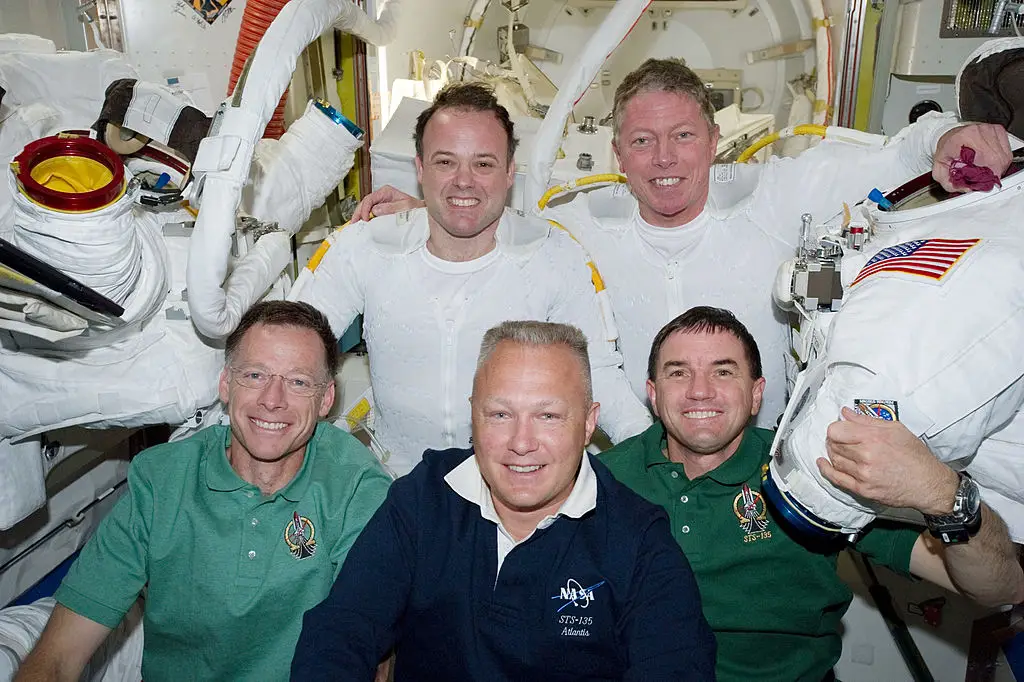
Ron Garan (pictured here in 2011 at the top left) has spent almost six months in space (NASA via Getty Images)

"In that moment I was hit by the sobering realization."

He understood that the Earth is only kept alive by a 'paper thin layer'.

"I saw an iridescent biosphere teaming with life, I didn't see an economy, but since our human-made systems treat everything, including the very life-support systems of our planet as the [...] subsidiary of the global economy, it's obvious from the vanish point of space that we're living a lie," he said

Ron said that the moment was like a 'light bulb that pops up', and he understood 'how interconnected and interdependent we all are'.
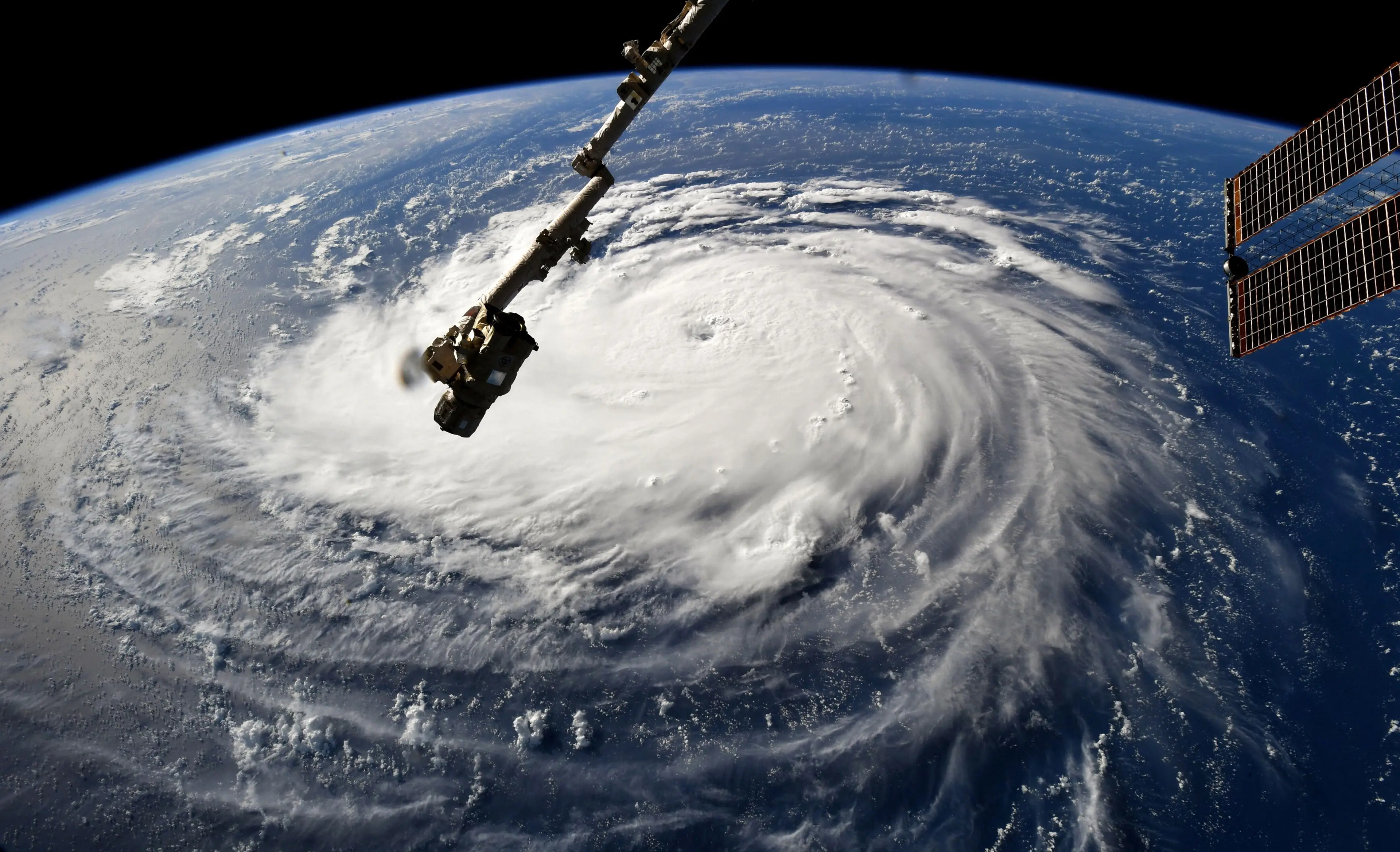
The astronaut realized how fragile the Earth is (Universal History Archive/Universal Images Group via Getty Images)

Now that he's back on Earth, Ron 'continues to work towards a cleaner, safer and more peaceful planet'.

"We need to move from thinking, economy, society, planet to planet, society, economy," he said. "That's when we're going to continue our evolutionary process.

"[...] We're not going to have peace on Earth until we recognize the basic fact of the interrelated structure of all reality."

Choose your content:

5 hours ago
6 hours ago
7 hours ago
  • Kent NISHIMURA / AFP via Getty Images
    5 hours ago

    Trump 'seriously considering' turning another country into 51st US state

    Trump has suggested U.S. oil companies plan to invest $100 billion into rebuilding the country's oil infrastructure

    News
  • Getty Stock Images
    6 hours ago

    Scientists settle debate on whether baths or showers are more hygienic

    90% of Americans have been doing the more hygienic thing all along

    News
  • Victoria Sirakova/Getty Images
    6 hours ago

    MrBeast reveals his 'Purple Cow' rule he uses to get '100 million views' on videos

    MrBeast is the biggest YouTuber on the planet

    News
  • Gareth Cattermole/Getty Images
    7 hours ago

    Christian Bale's method acting once helped save a director's life

    Director Adam McKay secretly put footage of his heart attack into his film

    Film & TV
  • Astronaut Suni Williams explains what she realized when looking down at the Earth after 608 days in space
  • Astronauts who spent 10 days in space reveal 'weird' experience as they approached dark side of the Moon
  • Ex-NASA astronaut who spent 695 days in space reveals ‘strict’ routine that's key for a successful mission
  • Astronaut who was stranded in space for nine months reveals the terrifying question they were left asking