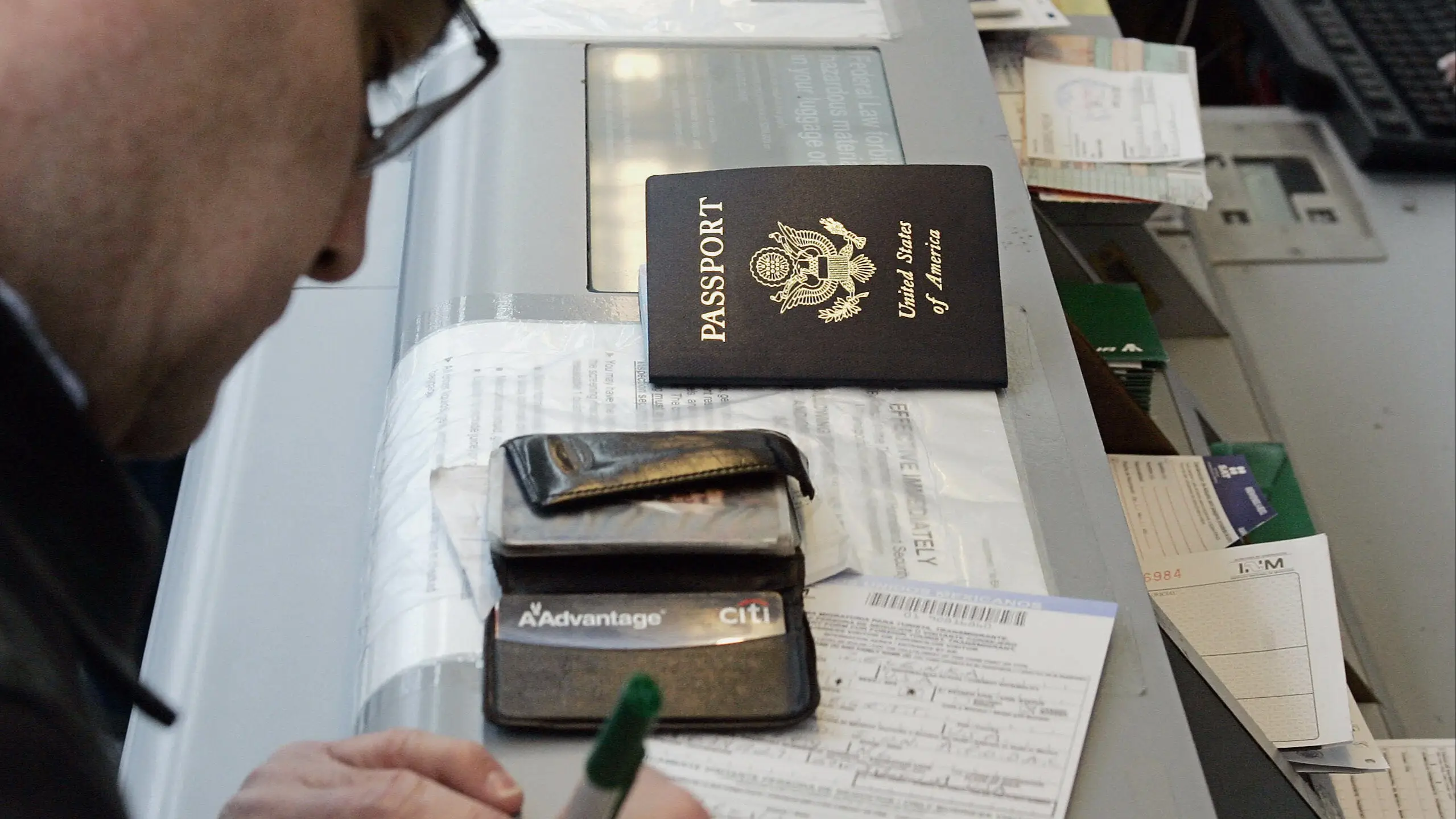
World's most powerful passports in 2026 and what that means for you

This year's most powerful passports have been ranked, based on the number of destinations they allow holders to access without extra screening - and the USA has made a surprise entry at the top of the list.
Not all passports are created equally, in fact a small number of nationalities enjoy travel to the vast majority of countries around the world without needing prior visa authorization. This allows travelers to skip the paperwork when heading abroad.
Countries that form mutual travel agreements to bolster tourism or strengthen political ties do not require their citizens to apply for visas, a major benefit that in 2013 saw the US and UK top the global list of trusted nations.
But with all of the global turbulence of the past decade, from heightening tensions with Russia to revolutions in the Middle East and ever-tightening restrictions on global migration, the US had slipped significantly. That is, until 2026.
Advert
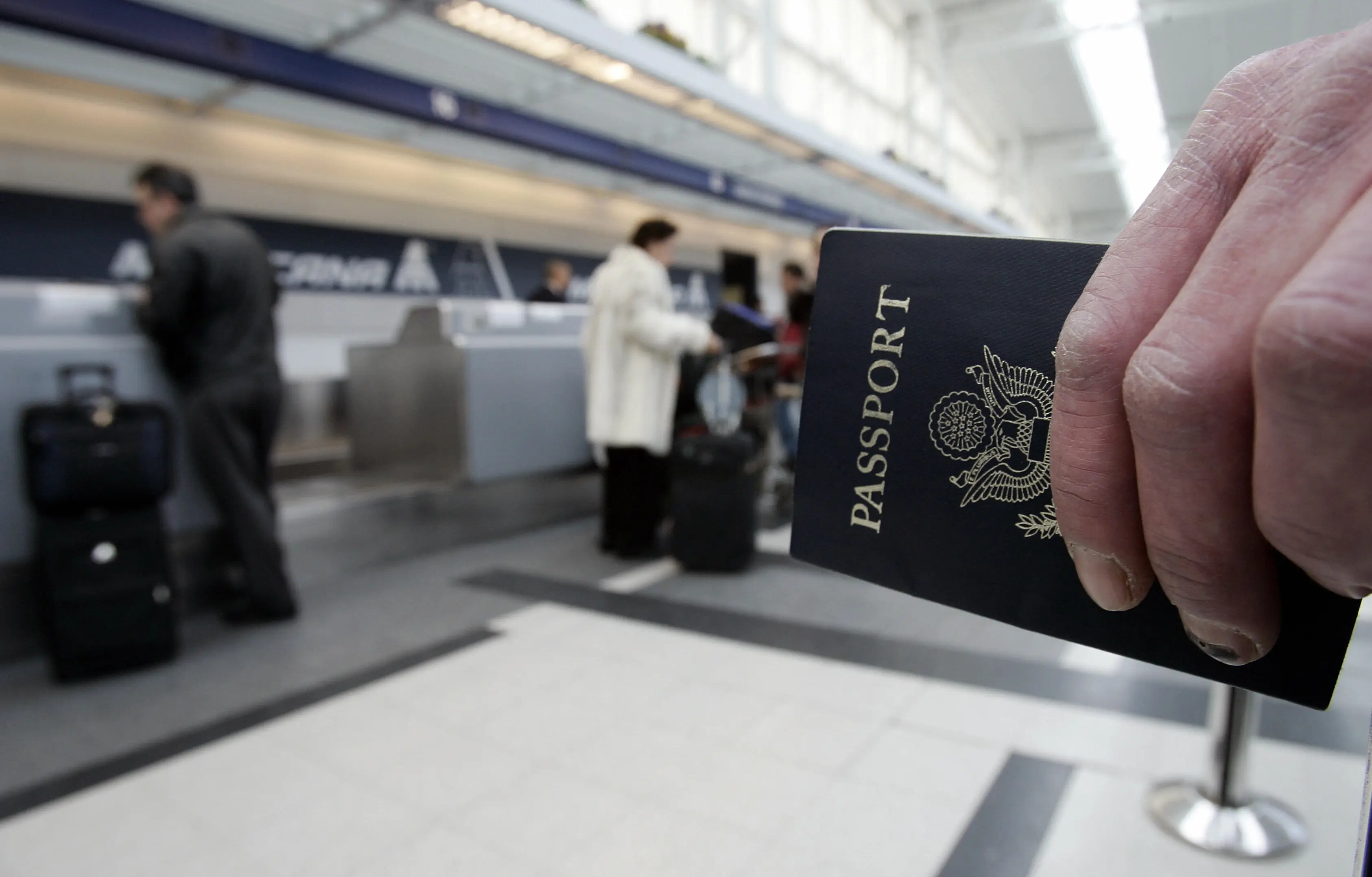
For the first time in a long time, Americans are now in the top 10 of the global rankings calculated by the Henley Passport Index, which ranks 199 passports and 227 separate destinations based on their ease of mobility across the globe.
While it might seem a major plus that the US has gone up two places since last year, this reflects the increasing instability in international relations in 2015, as the number of countries American passport holders can visit has actually dropped.
Seven fewer destinations are allowing Americans visa-free access in 2026 than they did last year, with 179 countries offering this ease of access to the US.
This is lower than a large number of European and Asian countries, including Singapore passport holders who can easily visit 192 countries around the world. In 10th place, the US passport ranks lower than Venezuela's.

The changes in this list over the past 15 years show how geopolitics have changed in that time, with some states rocketing up the rankings. One of the biggest changes has been for the United Arab Emirates, with Forbes reporting the Gulf state adding 149 visa-free countries for its residents since 2006.
Misha Glenny, Rector of the Institute for Human Sciences in Vienna said: “Passport power ultimately reflects political stability, diplomatic credibility, and the ability to shape international rules.
“As transatlantic relations strain and domestic politics grow more volatile, the erosion of mobility rights for countries like the US and UK is less a technical anomaly than a signal of deeper geopolitical recalibration.”
Most powerful passports in 2026
- Singapore - 192
- Japan, South Korea - 188
- Luxembourg, Denmark, Spain, Switzerland, Sweden - 186
- Austria, Belgium, Finland, France, Germany, Italy, Greece, Ireland, Netherlands, Norway - 185
- Hungary, Portugal, Slovakia, Slovenia, UAE - 184
- Croatia, Czechia, Estonia, Malta, New Zealand, Poland - 183
- UK, Australia, Latvia, Liechtenstein - 182
- Canada, Iceland, Lithuania - 181
- Malaysia - 180
- USA - 179
Topics: Travel
 William Morgan