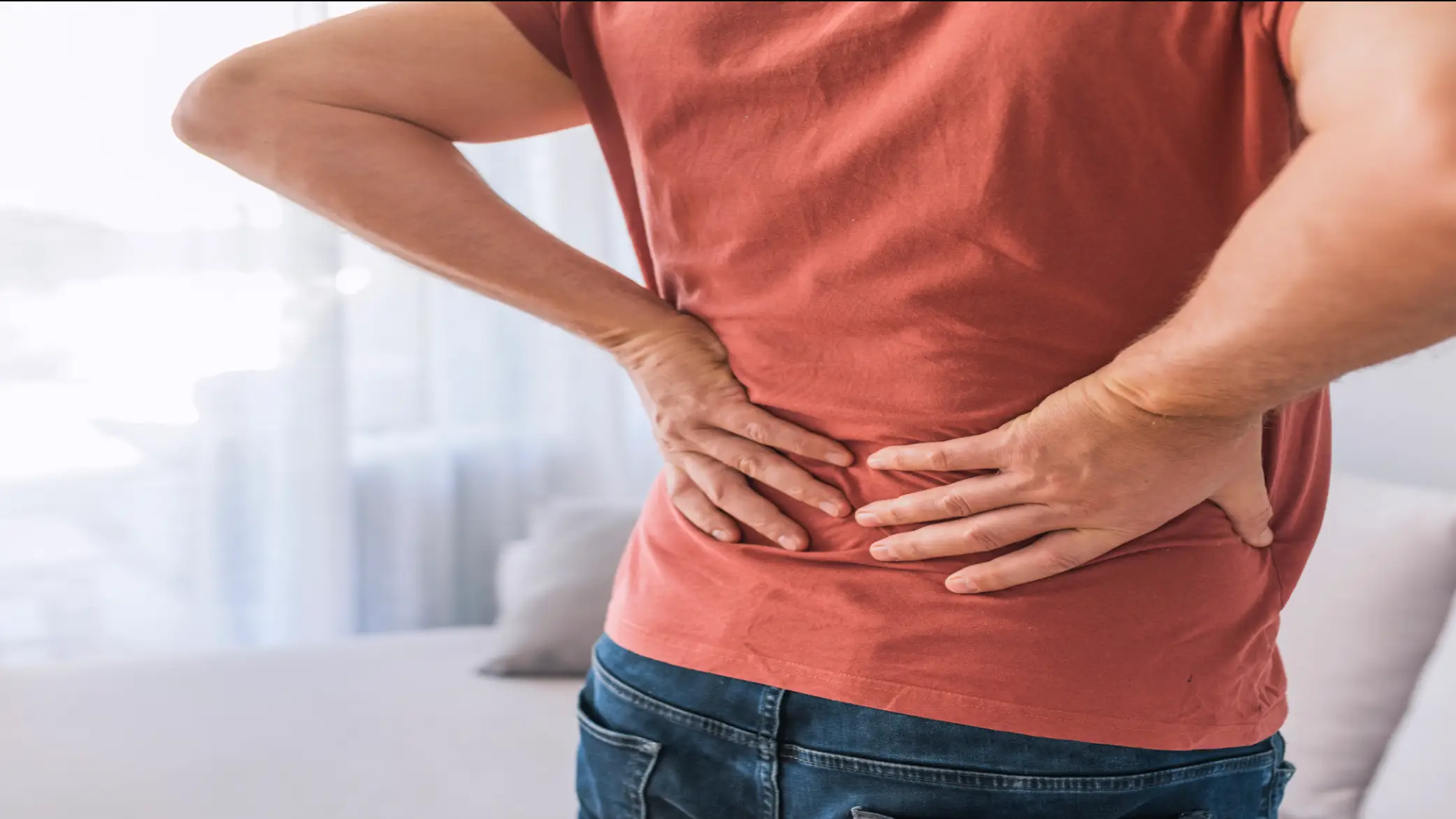
Five things that happen to your body as you age and what you can do about it

Aging comes with a series of changes in your body and thinking skills that can have an impact on your quality of life, but being prepared may make all the difference, doctors have warned.
Old age ushers in more than just wrinkles and gray hair, and the more you know about the changes your body is likely to go through, the higher chance you have to maintain good health.
Age-related changes can affect anything from your weight to your sexual health, as well as your bladder and urinary tract, and heart health.
If you're a smoker and not much of a sporty person, you'll find out that dropping the cigs and hitting the gym are the most common answers to health concerns as you enter a different phase in your life. Same goes for alcohol, another substance that isn't exactly widely recommended if you're looking to stay healthy for longer.
Advert
Let's have a look at what experts consider a natural part of the aging process and what we can do about it before it's too late.
Heart and blood vessels

First off, arteries can become stiffer as you age. This puts an extra workload on the heart muscles as they pump through those hardened vessels.
According to experts at Mayo Clinic, your heart rate at rest will likely stay the same as you get older, but it won't rise as much as it used to during physical activity. These changes raise the risk of high blood pressure and other conditions related to the heart and blood vessels.
There is some good news, though, as there are things you can do to improve your heart health.
Experts recommend to incorporate more exercise in your routine, aiming for at least 150 minutes of physical activity a week in whatever form you're most comfortable with.
Eat a healthy diet and maintain a healthy weight are also important elements to take into account when it comes to heart health. You know the drill — choose vegetables, fruits, whole grains, high-fiber foods and lean sources of protein such as fish. For fruits and vegetables, don't forget your five-a-day and aim to consume five servings of fruits and veggies every day.
Smoke and stress are big risk factors that can damage your heart health, so you'd want to try and quit puffing as well as giving meditation, talking therapy and other mindfulness techniques a go.
Sleep-wise, you should be getting between seven and nine hours a night (easier said than done, right?). It's also recommended you keep your general health in check and keep an eye on other conditions, such as high cholesterol, high blood pressure and diabetes.
Bladder and urinary tract

Our bladders may become less elastic as we get older, which may lead in turn to having to pee more frequently.
Having weakened bladder muscles and pelvic floor muscles may make it hard to fully empty the bladder or cause a loss of bladder control known as urinary incontinence. An enlarged or inflamed prostate also can cause trouble emptying the bladder and incontinence.
Other factors that can play a part in incontinence include being overweight, having nerve damage from diabetes, taking certain medicines, and consuming caffeine or alcohol.
To prevent this, you can go to the toilet regularly, for example every hour, and then gradually extend the interval in between your toilet trips.
Maintaining a healthy weight is also paramount as well as limiting food that can irritate the bladder and can make incontinence worse, including caffeine, acidic foods, alcohol and carbonated drinks. It's also worth try and prevent constipation by eating more fiber as that can affect the bladder.
Again, smokers are recommended to quit, while you can try and improve the elasticity of your pelvic floor muscles by doing Kegel exercises. These consist of squeezing the muscles you would you use to stop passing gas and holding for three seconds at a time, and then relax for a count of three. Experts advise to do these 10 to 15 times in a row, at least three times a day.
Memory and thinking skills

Misplacing things and struggling to retain information will become more common as you get old, but fret not as there are things you can do to jog your memory and keep your brain active.
Exercise is a must, as keeping physically active can also help prevent depression and stress, factors than can affect your memory.
A healthy diet can also support your brain, particularly if you consume fruits, vegetables, whole grains and low-fat protein sources, such as fish, lean meat and skinless poultry. Again, too much alcohol and smoking aren't recommended.
Some conditions that raise the risk of heart disease can be linked to a higher chance of declines in thinking-related skills, so it's important to manage conditions that can affect the heart and blood vessels, such as high blood pressure, high cholesterol and diabetes.
Staying mentally active and social is crucial, so you may want to take up a new hobby, read, play word games, and take classes and not neglect your social life, meeting with friends and family and attending social events or volunteering.
Weight
Metabolism slows down are you age, meaning that if you become less active but keep eating the same way as usual, you're likely to gain weight.
Experts advise to maintain a healthy diet, limiting sugar and food high in saturated fat, and include exercise in your routine.
Sexuality

Old age can affect your sexual needs and performance depending on certain medicines and illnesses that can cause vaginal dryness, which leads to painful sex, or make it hard to get an erection.
Be open with your partner about your challenges and try experimenting with different types of intimacy or sexual practices.
Regular exercise is a boost for good sexual health, while talking to your doctor to consider treatment for vaginal dryness and erectile dysfunction is also an option.
Topics: Health, Fitness, Sex and Relationships
 Stefania Sarrubba