Trump ruthlessly mocked by the Danish despite huge Greenland deal

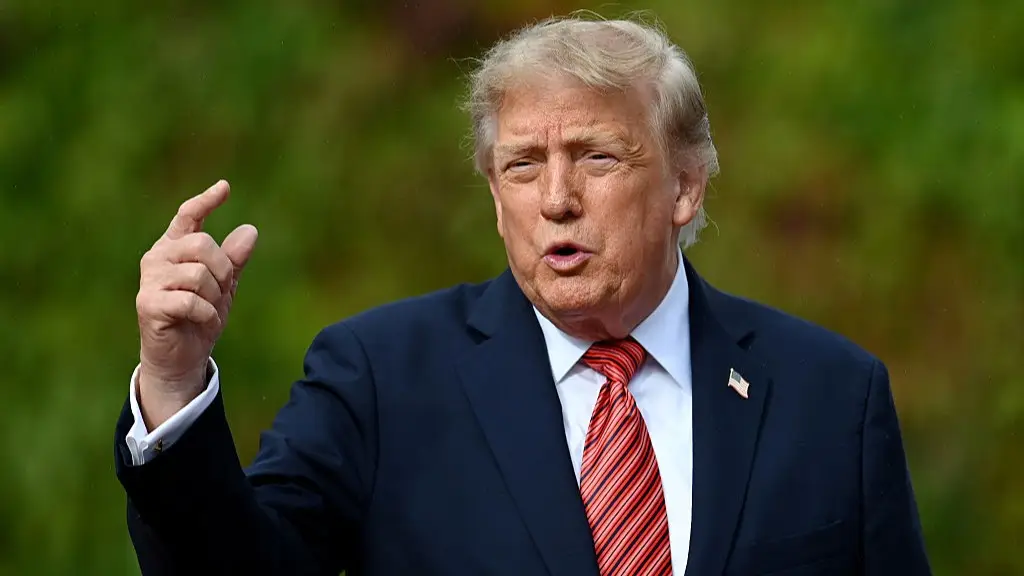
Donald Trump is celebrating what he's calling a historic breakthrough in Greenland - but across the Atlantic, the reaction has been closer to a collective shrug.
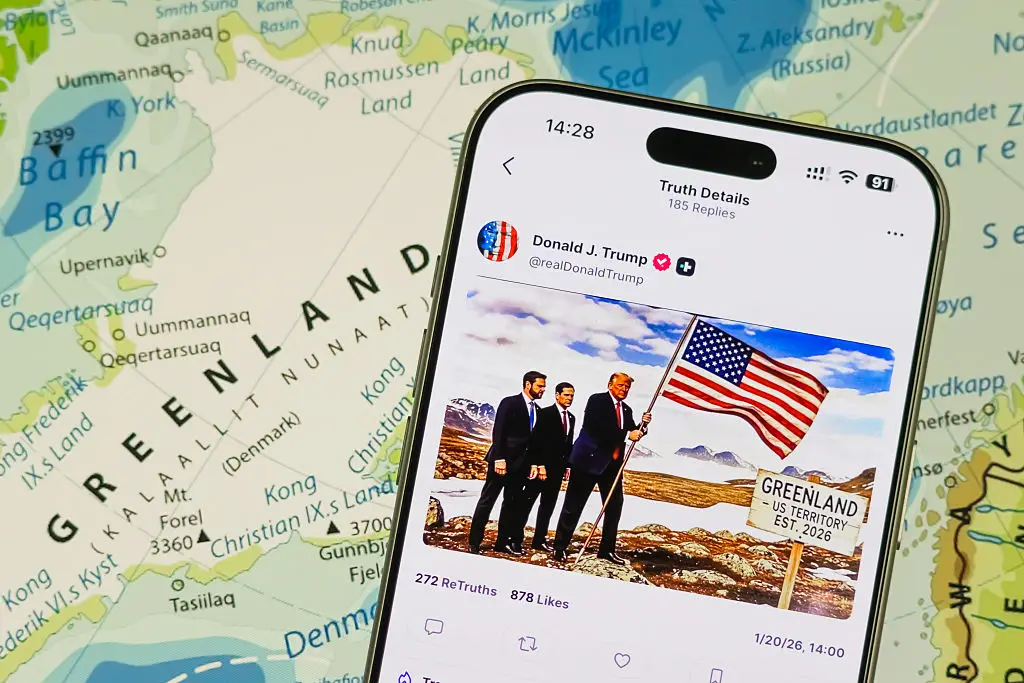
The US president announced on Friday evening that Washington had struck a new security agreement with Denmark and Greenland, granting America what he described as 'permanent control of security' on the Arctic island. Writing on Truth Social, Trump called it "a dream come true for the United States of America, one that is very important, historic, and special."
The problem, according to analysts and Danish politicians, is that the deal doesn't appear to hand the US anything it didn't already have.
Trump spent much of his second term pushing hard on Greenland, at one point threatening to seize the territory by force despite it belonging to the Kingdom of Denmark: a fellow NATO member.
Advert
His justification centered on the island's strategic Arctic position, which he argued was crucial for countering rivals like China and India, alongside a clear interest in its mineral deposits.
What does the new Greenland deal actually change?
That's the question being asked on the other side of the Atlantic, and the honest answer seems to be: not much. The agreement, expected to be formally signed next week at the UN General Assembly, reportedly gives the US the power to block any hostile nation from maintaining a military presence on the island or making what Trump called 'sensitive investments' without American sign-off. No territory changes hands.
Crucially, it's still unclear how any of this differs meaningfully from the US's existing 1951 agreement with Denmark, which already permits America to station as many troops in Greenland as it wants.
That gap between the rhetoric and the substance hasn't gone unnoticed.
Danish newspaper Berlingske summed up the mood with a headline reading: 'Don't tell Trump that it's the Kingdom of Denmark that has won.'

Why are Danish politicians mocking the agreement?
Henrik Dahl, a Danish MEP for the Liberal Alliance, put it bluntly, arguing the deal essentially preserves the status quo while letting Trump take the credit.
"A wise Danish politician once said that you can achieve almost anything if you are willing to let others take the credit," he said, adding that from Denmark and Greenland's perspective, 'it could hardly be much better.'
TV2 commentator Torsten Jansen went further, telling viewers: "Even though Trump is trying to blare it out as a victory, it is, as I see it, a spectacular defeat."
Mikkel Runge Olesen, a researcher at the Danish Institute for International Studies, made a similar point to the New York Times, questioning what exactly the US gained that it didn't already have rights to under the original agreement. Danish commentator Sophie Plutz echoed the sentiment to LBC, describing the deal as 'a re-packaging of old deals and agreements' with little genuinely new inside it.
Despite the skepticism, both governments have publicly backed the outcome.
Denmark's prime minister Mette Frederiksen and Greenland's prime minister Jens-Frederik Nielsen said the agreement 'strengthens our common security,' and NATO has said it expects the deal to help stabilise the wider region.
Full details of the agreement have yet to be released ahead of next week's signing.
UNILAD has contacted the White House for comment.
Topics: Donald Trump, Greenland
 Thomas Bamford