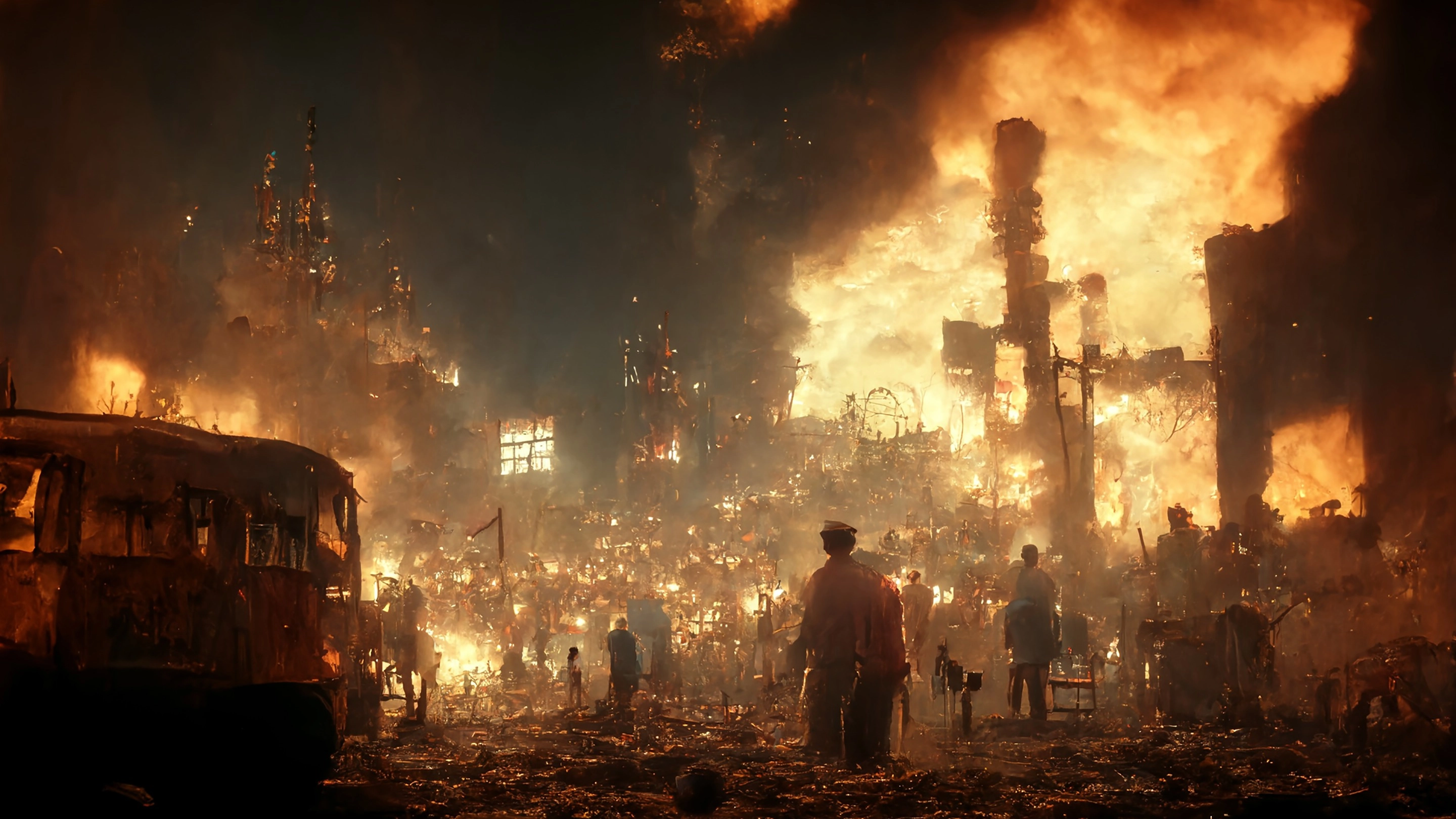
New survey reveals how many Americans think the world will end in their lifetime

Thinking that the world is about to come to an end was once the reserve of religious doomsday cults and the extremely paranoid, but new research suggests that millions of Americans believe an apocalypse is nigh.
With President Trump's bombing campaign in Iran kicking off while Ukrainians continue to fight nuclear-armed Russia over every square inch of their nation's soil, it is perhaps unsurprising that more people than ever think the end of the world isn't just possible, but likely.
3400 people responded to the survey, which explored how Americans perceive the future, and found, surprisingly, that around a third of people now believe that the world will end in their lifetimes. Scientists then used this data to show how this impacts how people respond to issues like climate change.
Study author Matthew Billet, from University of California, Irvine, said: “Belief in the end of the world is surprisingly common across North America, and it’s significantly influencing how people interpret and respond to the most pressing threats facing humanity.”
Advert
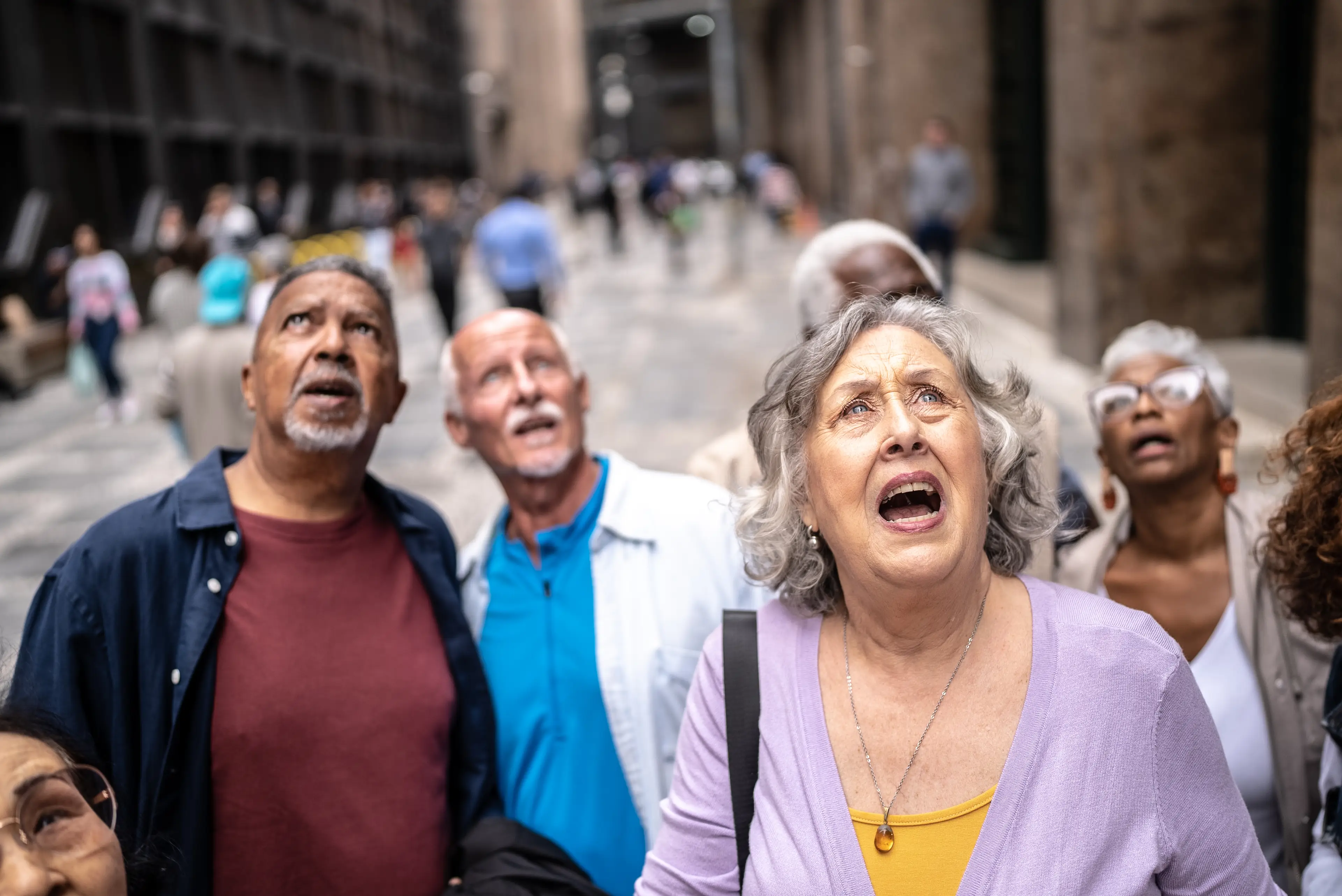
Researchers found that the people surveyed thought about the apocalypse they believed was coming in a variety of different ways, with a wide variance in what could cause the end of days, as well as in whether or not armageddon might actually be a good thing.
They said that there was little agreement on what would usher in an extinction event for mankind, with threats like climate change, nuclear war, new technologies and new diseases pushing different people into the new form of existentialism affecting one in three Americans.
To make more sense of this world view, the team broke respondents' views down into five categories that affect how people behave and perceive reality.
These were: how soon the end is coming, whether we brought it on ourselves, if some supernatural force is behind it, what impact individuals can have on it, and if this end of all things is seen as good.
They were also asked about five potential causes of our total destruction, broken down into five broad categories: economic, environmental, geopolitical, societal, and technological.
Billet explained: “Different narratives people believe about the end of the world can lead to very different responses to societal issues.”
He explained: “Someone who believes humans are causing the apocalypse through climate change will respond very differently to environmental policy than someone who believes the end times are controlled by divine prophecy.”
Billet said that their research into people's responses showed one commonality, from Rapture-awaiting Christians to climate activists. Common to all of these apocalyptic beliefs was the idea that humans had brought the end upon themselves.
Importantly, the sorts of apocalyptic beliefs held by individuals can also tell you a great deal about how they will behave. For example, those who believed in climate change brought on by human actions were far more likely to support taking action to save the planet.
While those religious people who thought the apocalypse was a result of a divine action were far less likely to believe that anything should be done about the end of the world.
Billet argued that understanding this is important to understanding why different groups respond differently to current events.
He said: “These differences can create disagreements across cultural groups that make it difficult to coordinate responses to global risks, both within countries and between countries.
“Today, beliefs about accepting the Mark of the Beast from the Last Days undermine efforts at mass vaccination against COVID-19. The dread of climate apocalypse undermines young people’s motivation to tackle climate change and to bring children into this world.”
Explaining how this information can help to save our planet, Billet added: “If we want to build consensus around addressing climate change, AI safety or pandemic preparedness, we need to understand how different communities are interpreting these threats through their own cultural lenses.
"In a world facing genuine catastrophic risks, that understanding has never been more important.”
Topics: Climate Change, Science
 William Morgan