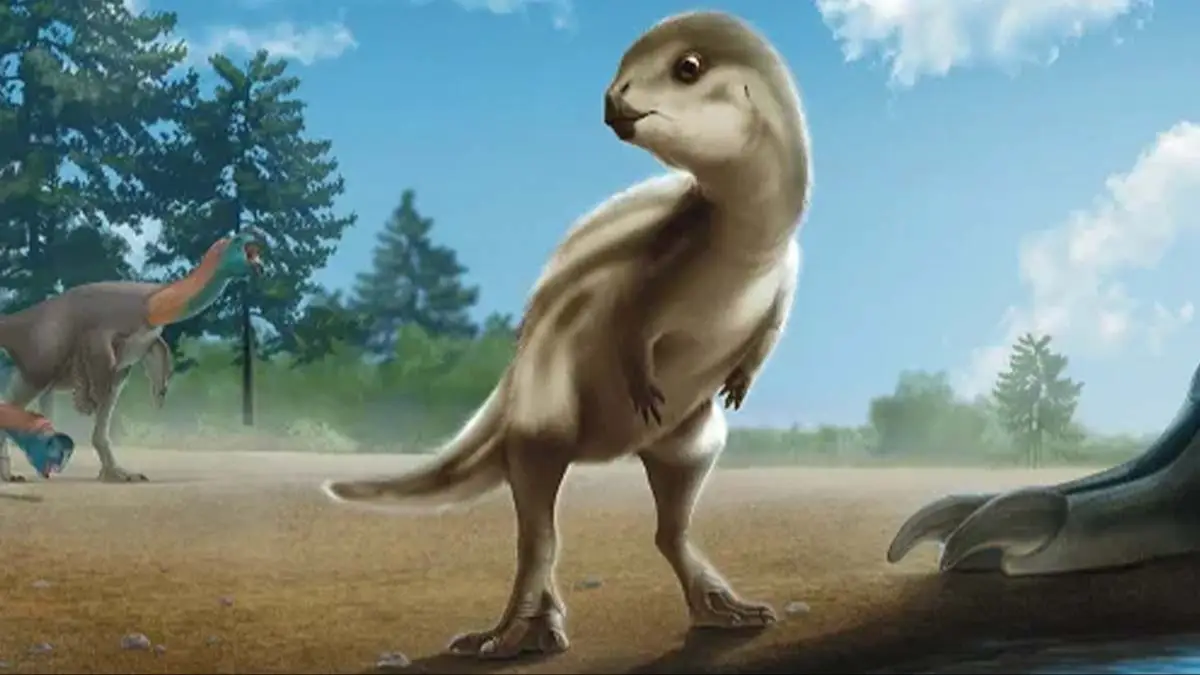
New dinosaur species found in South Korea in groundbreaking discovery

Scientists in South Korea have found a new species of dinosaur that was previously unknown.
Many of us have a particular idea of the creatures that roamed the Earth millions of years ago.
Visions of T-Rexes and Stegosaurus fighting for survival on prehistoric Earth - though of course the truth is far from this as the T-Rex lived closer to us than Stegosaurus.
And of course many types of dinosaurs did in fact survive the cataclysm that saw off the likes of T-Rex, and live among us as the birds.
Advert
But now, scientists have unearthed another piece of the puzzle of Earth's distant past.
This is in the shape of the adorably named Doolysaurus, which was discovered by scientists working with x-rays on the South Korean island of Aphae Island.
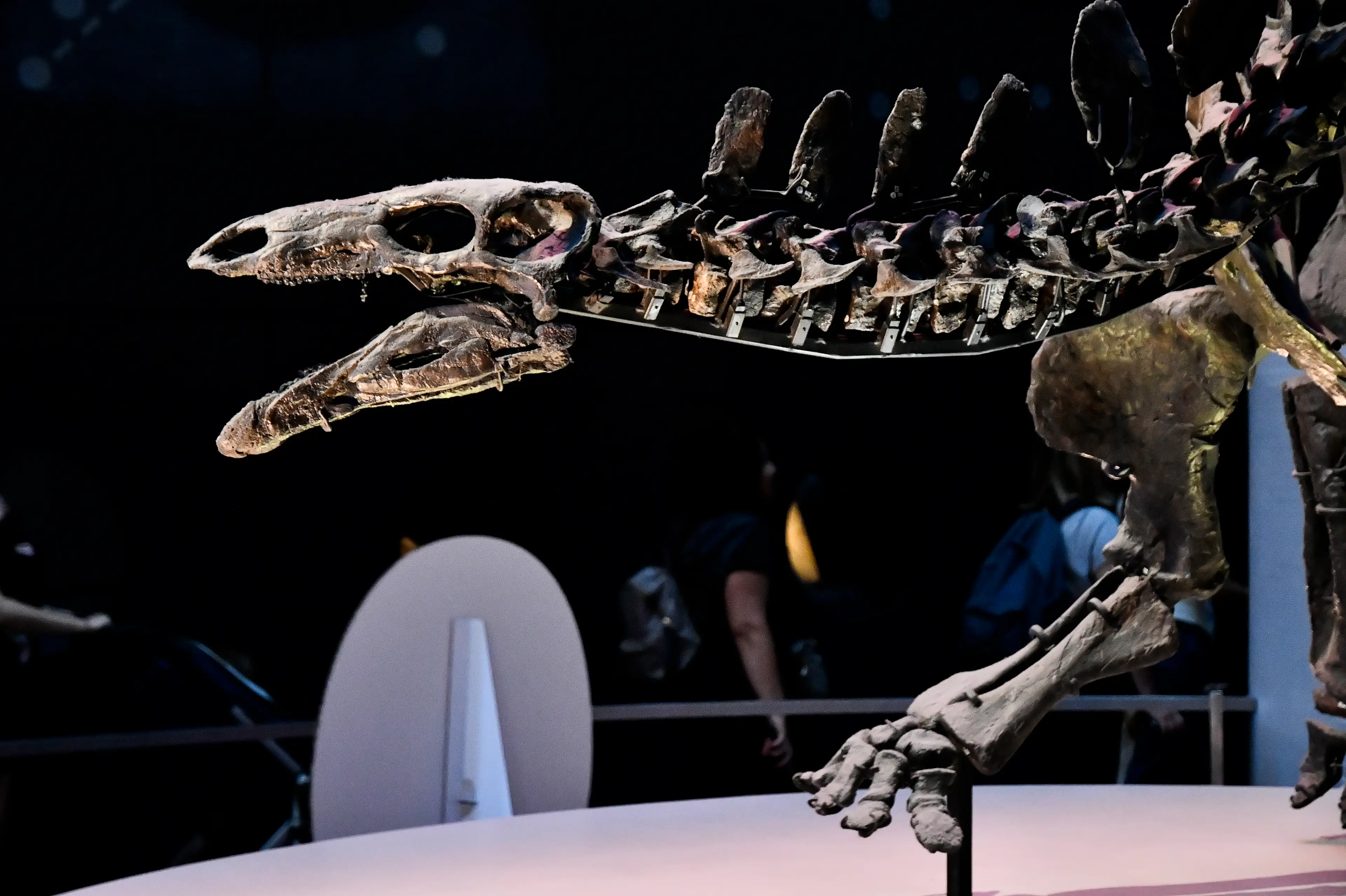
Jongyun Jung is a visiting postdoctoral researcher at the University of Texas' Jackson School of Geosciences, and led the research.
“Dooly is one of the very famous, iconic dinosaur characters in Korea. Every generation in Korea knows this character,” said Jung.
“And our specimen is also a juvenile or ‘baby,’ so it’s perfect for our dinosaur species name to honor Dooly.”
Jung added: “When we first found the specimen, we saw some leg bones preserved and some vertebrae.
“We didn’t expect skull parts and so many more bones. There was a fair amount of excitement when we saw what was hidden inside the block.”
The full scientific name of the dinosaur is 'Doolysaurus huhmini', with the second part referring to Korean palaeontologist Min Huh, and it was published in the journal Fossil Record on March 19.
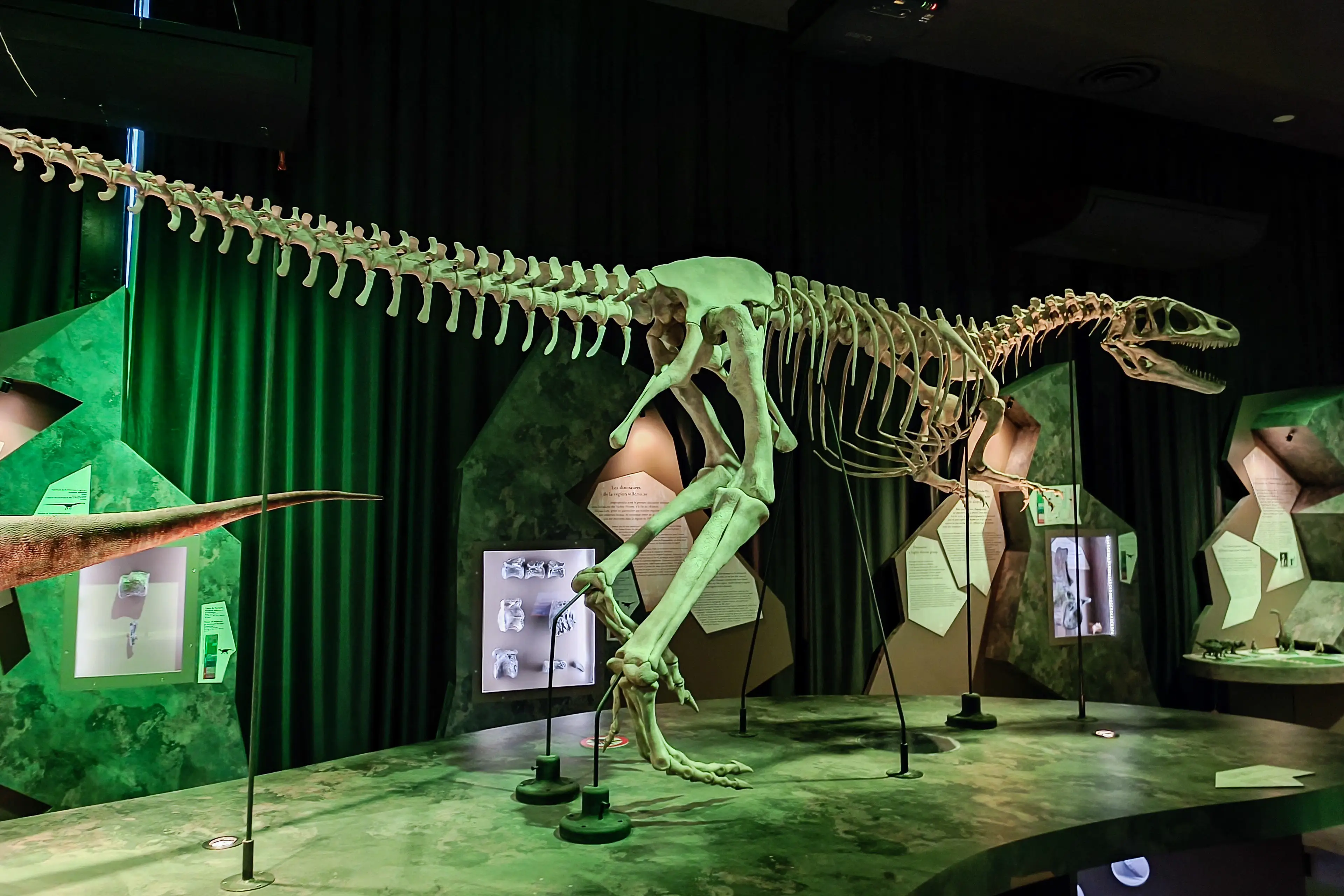
The fossil was initially found back in 2023 by study co-author Hyemin Jo, and the research has now been published.
Doolysaurus lived on Earth between 113 million and 94 million years ago, placing in the mid Cretaceous period.
Studies of the dinosaur's anatomy led researchers to classify it as a thescelosaurid.
This was a bipedal type of dinosaur which inhabited what is now East Asia and North America, and might also have been covered with a fuzzy coat.
Palaeontologists were able to discern that the dinosaur was a juvenile because they identified growth marks on a slice of femur bone.
Researchers are now planning to return to Aphae Island in the hopes of making more exciting discoveries, including the potential for more new species.
Jung said: “We’re expecting some new dinosaur or other egg fossils to come from Aphae and other small islands."
Topics: News, World News, Korea, Dinosaurs, Science
 Kit Roberts