Controversial exhibition showing dead bodies being posed in sexual positions sparks outrage

A controversial exhibition featuring real-life dead bodies has come under fire after an anatomy lecturer called into question the consent of the deceased people involved.
Body Worlds has brought in thousands of visitors over the past 20 years, but an exhibition titled The Anatomy of Happiness in Sydney has raised questions of ethics.
Several of the bodies have been displayed in rather compromising positions, prompting University of New South Wales senior lecturer in anatomy and histology Dr Joyce El-Haddad to question whether the people really consented to this.
"The organizers claim that the bodies have been donated," Dr El-Haddad wrote on Instagram. "The bodies are displayed in many different ways - some riding a horse, some in penetrative sexual positions, some with a basketball... and the list goes on."
Advert
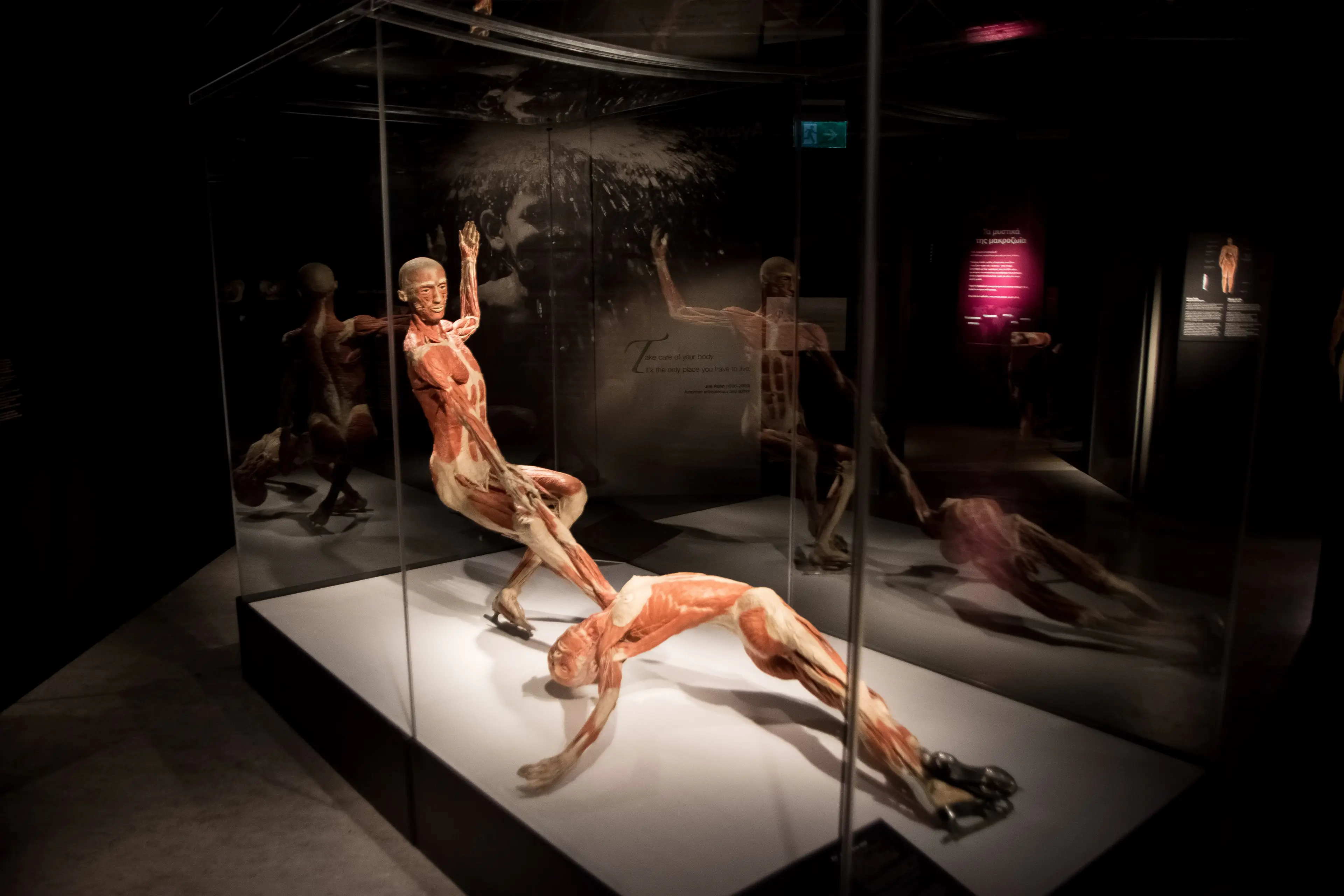
The Body Worlds donation program was set up in 1982, and since then more than 21,000 people around the world have signed up to donate their body once they pass away.
Some visitors have shared reservations. One wrote on Reddit: "I remember being deeply disturbed as a child by how the bodies were posed so irreverently, some of them almost… goofy.
"I know the goal is education but even as a kid it felt wrong and disrespectful to me. I remember walking away and feeling very uneasy for a while."
Another, writing specifically about the bodies staged as having sex, questioned if it was right for the two people to be 'immortalized' like this when they 'never saw each other while alive' and 'had families that may still love' them.
"Dignity does not disappear because someone signed a form"
Dr El-Haddad went on: "Informed consent is not a tick box exercise and we need to think about: who donated these bodies? What did they understand they were consenting to? How specific was the consent process?
"Respect, dignity, transparency, and context do not disappear simply because somebody signed a form."
Body World's consent forms include options for donors to agree to their remains being used to create 'anatomical works of art' for the 'medical enlightenment of laypeople' in museums and exhibitions.
It also gives donors the choice to give their preferences on how they would like their remains to be used, however, the form does state it 'cannot guarantee' those wishes will be fulfilled.
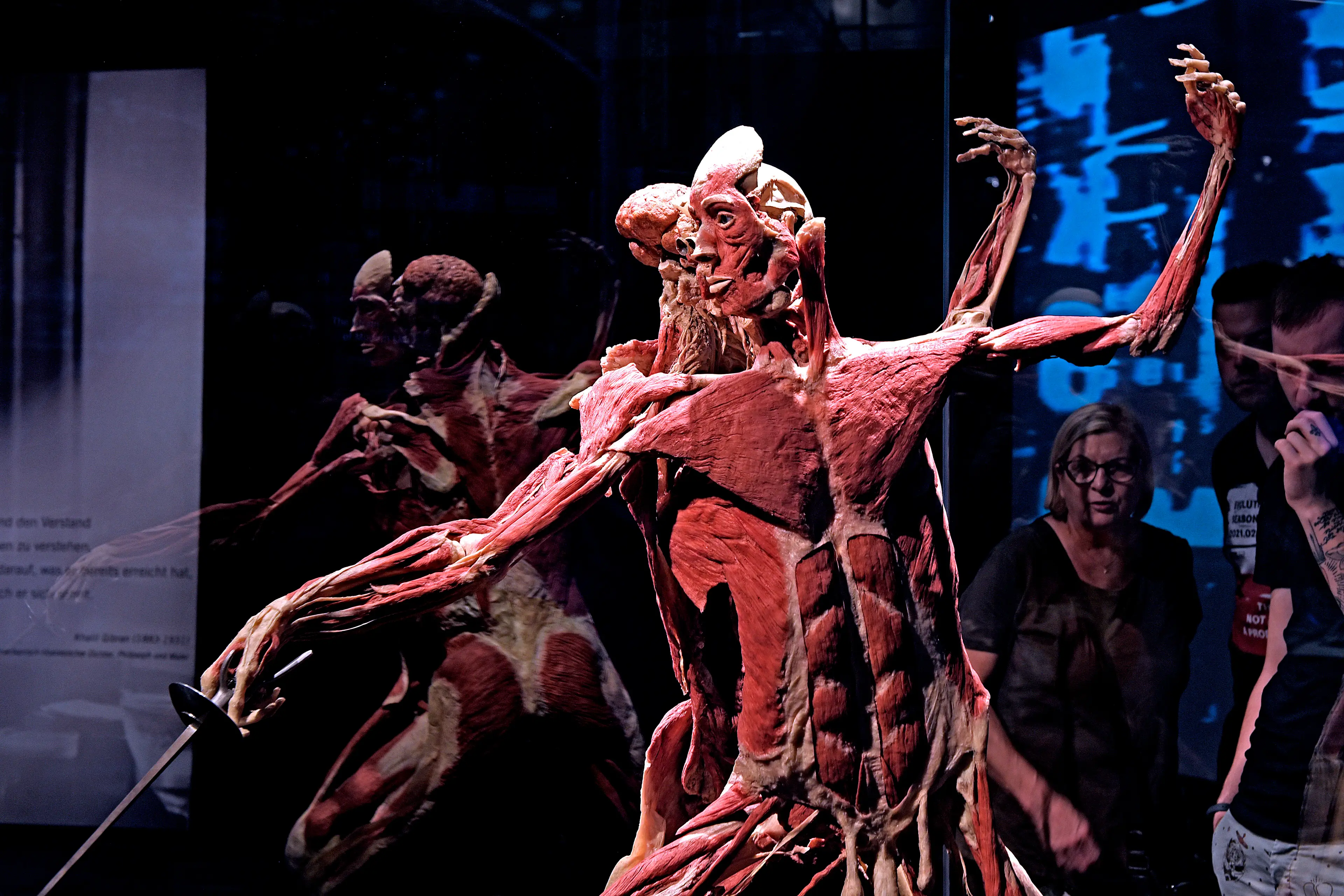
While many people donate their bodies for educational purposes, the professor has also questioned just how much people can learn from the remains without knowing anything about them.
"Think about your everyday encounters with people. How much do you assume about someone before you've had a conversation with them? Before you've listened to their experiences, challenges, choices, and circumstances?" she said.
"The exhibition claims that it is educational....okay, but education requires more than information. A diseased lung can show us what happened. It cannot tell us about addiction, socioeconomic disadvantage, environmental exposures, access to healthcare, culture, or the lived experience of disease."
Without all that context, Dr El-Haddad says visitors have no choice but to 'construct their own narratives and make their own assumptions.'
UNILAD has contacted Body Worlds for comment.
 Emma Rosemurgey