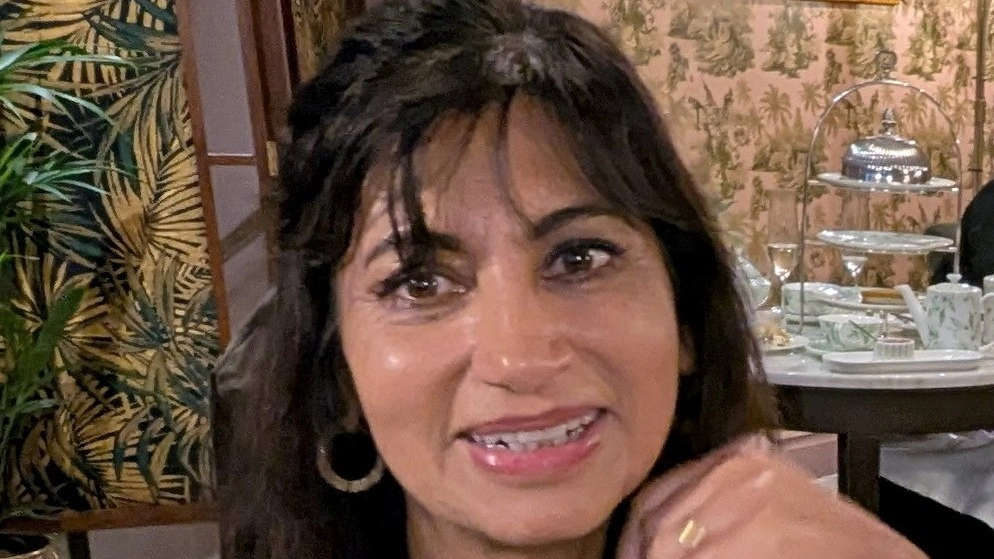
Woman reveals symptoms mistaken for dementia before diagnosis

A woman who thought she was displaying signs of early onset dementia was shocked when it turned out to be something completely different.
Seven years after she forgot her sons’ names, Meera Mehat, 59, (who was 49 at the time), finally received a diagnosis for her unexplained symptoms in 2022.
From struggling through talking during presentations at work, the mom-of-three, slowly stopped being able to recall simple information.
Meera, who is the mother of twins Jas and Kash, 27, and Alekh, 25, said: "First, I struggled to remember stats when I was training people at work - and I had written the damn training programme.”
Advert
While at first she thought it was nothing more than work stress, she began to fear that it was something more sinister as it continued.
The mom from Maidenhead in Berkshire, England, even went to see doctors for brain scans, but was told she was just getting older and it would ‘resolve’ itself on its own.
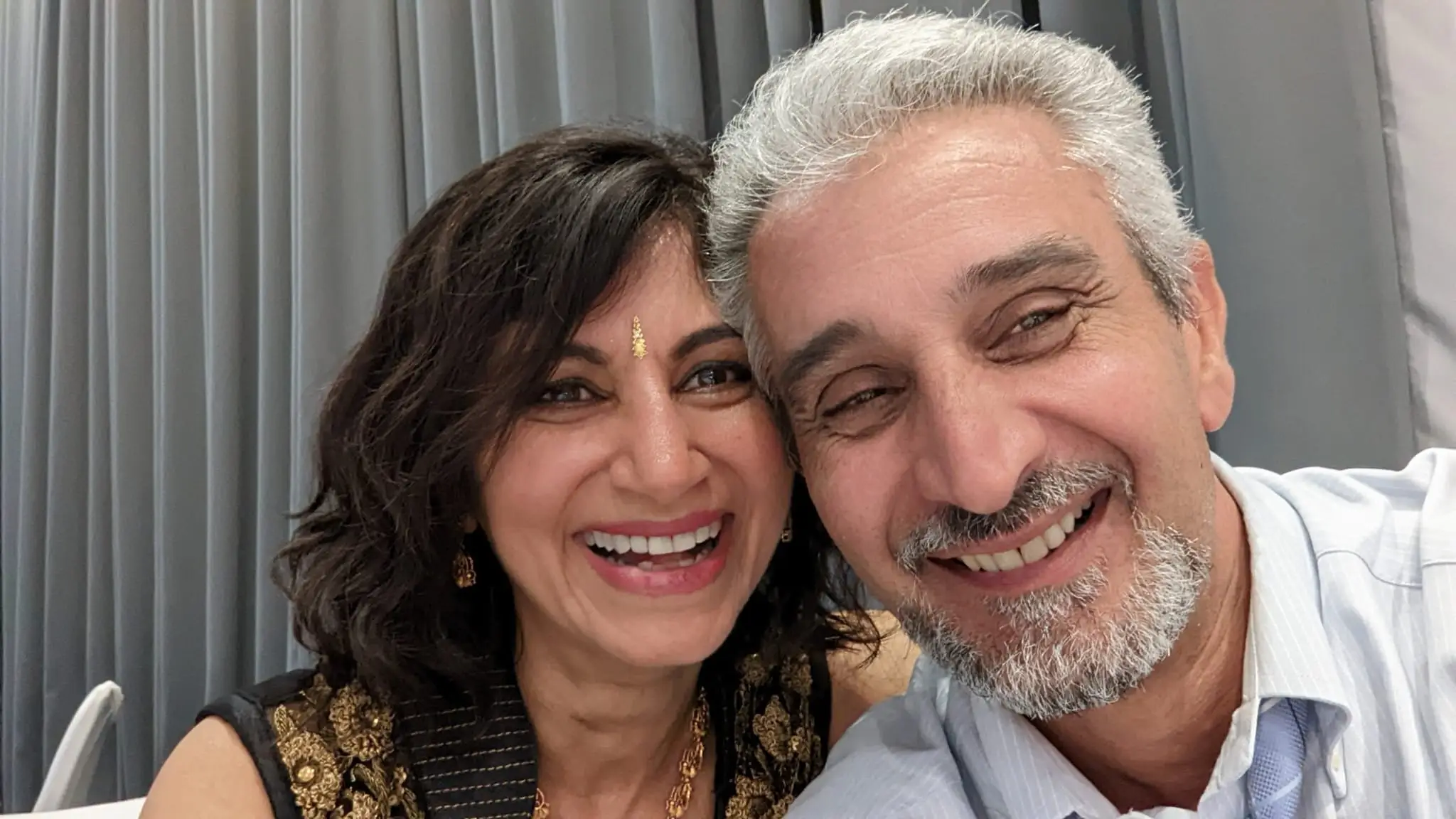
With clear scans and no answers, it took nearly a decade for her to be given an answer to her ‘frightening’ time.
Meera admitted that she had to step back from her career and social life as things became difficult for her, and when she forgot one of her son’s birthdays, it was just another sign that something wasn’t right.
However, after taking advice to go private, she was told by a healthcare provider that her early onset dementia was in fact ‘menopausal issues’, and prescribed a hormone-friendly diet and hormone supplements.
According to the Mayo Clinic, signs of menopause – which typically impacts women between the ages of 40 and 55 – includes hot flashes, irregular periods, vaginal dryness, night sweats, sleep problems, mood changes, and ‘bran fog’... which is what Meera was suffering from.
While you might find it hard to believe her memory lapses could be hormonal, Menopause Care reveals that 40 per cent of women between 40 to 55 reports ‘brain fog’ to be an issue, and even wrote a blog to help them differentiate between menopause memory loss, and dementia.
For Meera, she was able to determine that hers was menopausal after she kept to her schedule, as well as the suggested exercise and meditation, and her memory began to improve.
Meera said: "After seeing the private doctor, I followed the advice and in three months I felt like a complete different person.
"I want to empower other women now - I wonder how many other women are being fobbed off that it's just a sign of normal aging."
So, she cut out sugar and gluten and decreased her dairy intake and then focused on her protein intake.
Meera also began to take estrogen and magnesium, and within three months, she saw a difference.
By the time she began taking hormone replacement therapy (HRT), things did in fact resolve.
Meera said: "I'm pretty much back to normal now - and I'm not scared to go out and meet people any more."
Meera has since become a menopause educator and developed an app to help other women, called Menopause Meditation due to her experience.
 Britt Jones