3 crucial things Americans should do immediately if there was a nuclear strike

A government website shares key advice on what do in a radiation emergency such as a nuclear strike.
It think it's safe to say that almost everyone doesn't want a nuclear war to break out, but that doesn't mean you shouldn't be prepared for it if the worst was to happen.
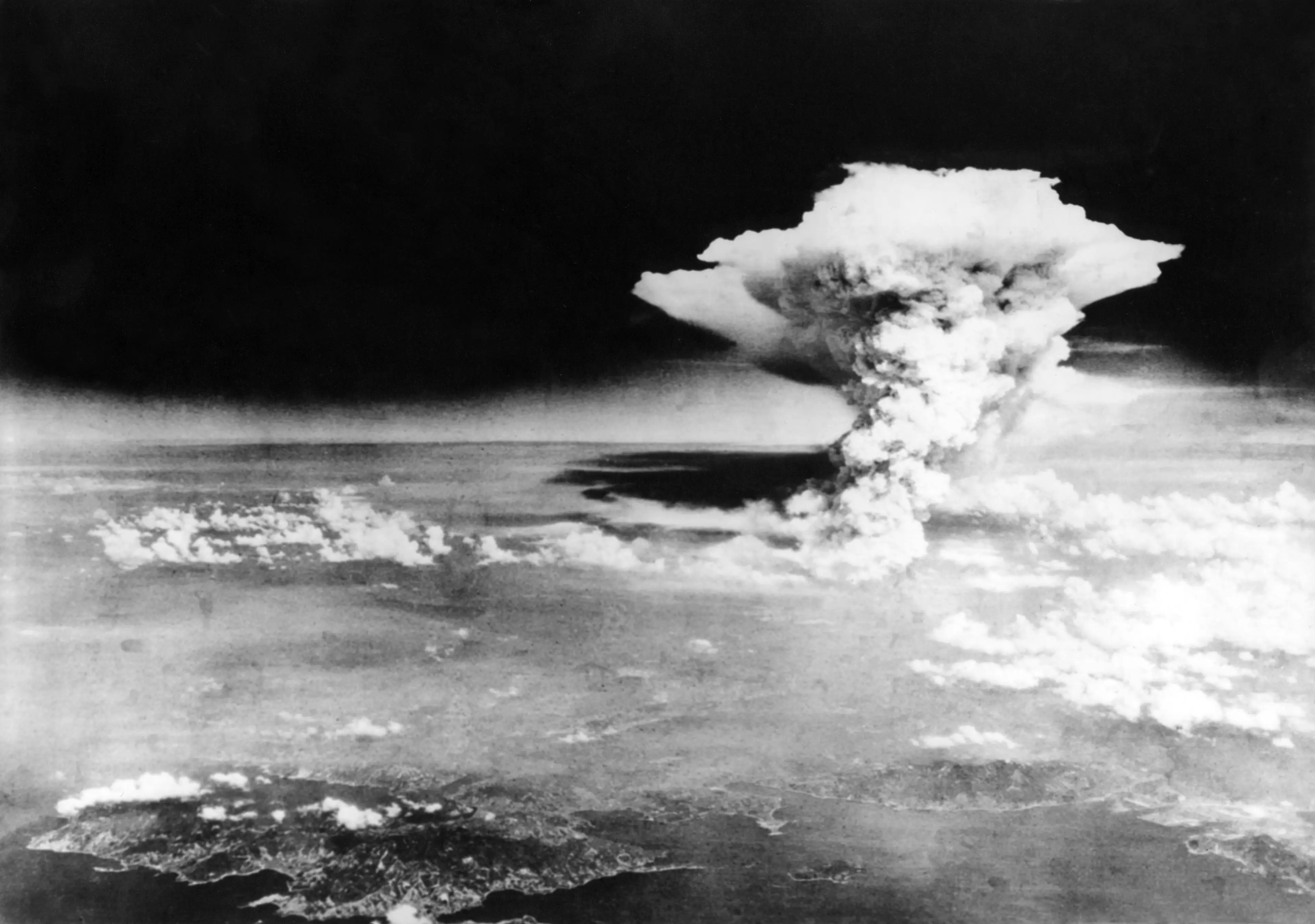
Nuclear warfare has been a topic of discussion for decades after the first atomic bomb was dropped by the United States on the Japanese city of Hiroshima on 6 August, 1945.
A few days later, a second bomb was dropped on Nagasaki. Donald Trump seemingly joked about the attacks during a recent meeting with Sanae Takaichi, Japan's new prime minister.
Advert
A lot of people have branded the attacks as the start of 'The Atomic Age', and countries like Russia, the United States, China, France, the United Kingdom, Pakistan, India, Israel, and North Korea now have nuclear weapons sat ready and waiting to be used if needed.
Likelihood of a nuclear war
It's thought that the risk of a nuclear war is currently higher than ever, with the Doomsday Clock moving to 85 seconds to midnight in January 2026 — the possibly of a nuclear war being a contributing factor.
Alicia Sanders-Zakre, head of policy at the International Campaign to Abolish Nuclear Weapons, said about the heightened concerns: "Our biggest concern is the existential threat posed by the more than 12,000 nuclear weapons in the world today."
She continued to tell Mail Online earlier this year: "While the risk of nuclear use has been an existential threat for 80 years, it has increased in the last year, due to skyrocketing investments in nuclear arms, increasingly threatening nuclear rhetoric and actions and the increasing application of artificial intelligence in militaries."

What to do during a radiation emergency such as a nuclear strike
The US government have a website called Ready.gov, which details what to do in different types of emergencies — including if the country was victim to a radiation emergency such as a nuclear detonation.
Other radiation emergencies include: An accident at a nuclear power plant, a transportation accident involving a shipment of radioactive materials, or an occupational exposure like in a healthcare or research setting.
Should this happen, the first three things you should do are: get inside, stay inside, and stay tuned.
"The best way to stay safe in any radiation emergency is to get inside, stay inside and stay tuned," the website states. "Putting material between you and the radiation provides protection while you tune in for instructions from responders."
Elsewhere, the site tells people that should prepare now for a possible emergency. One way to do this is by building and emergency supply kit with things like sealed food, water and medicine in it.
Another key piece of advice that's long been given is that people should invest in a wind-up radio so that they have a means of communication should other forms fail.
Topics: Doomsday Clock, World News
 Niamh Shackleton