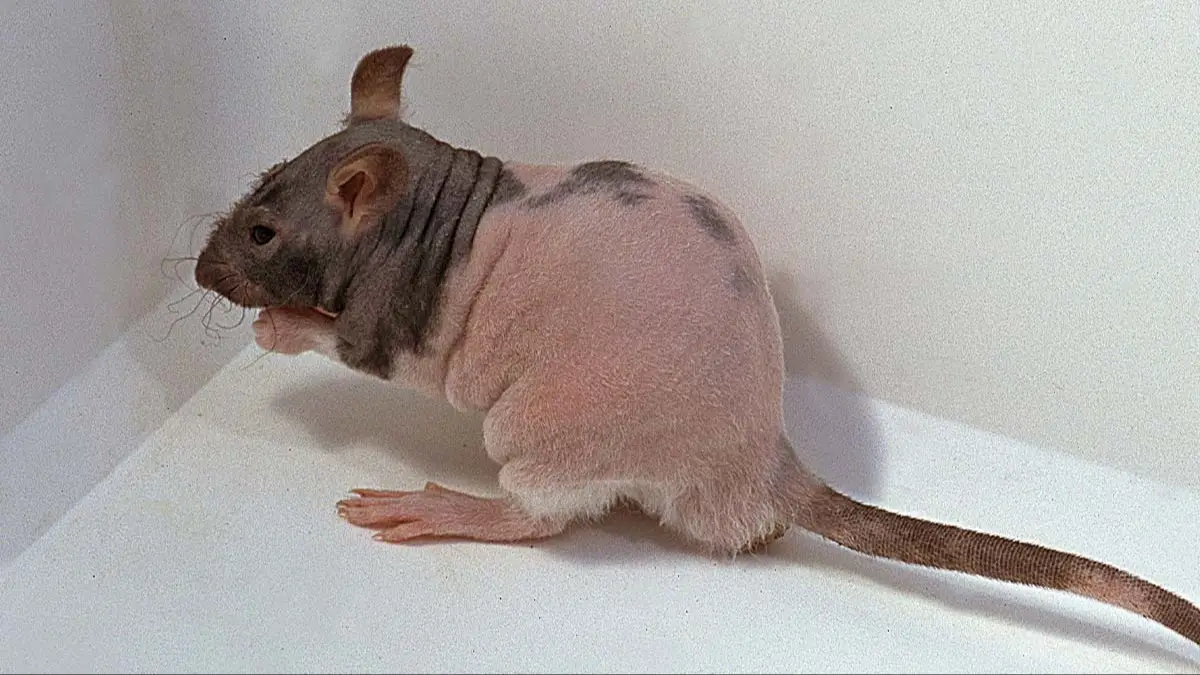
Warning issued for mutant rats discovered in the US that are much harder to get rid of

A new kind of mutant rat is developing a new trait which makes them harder to eradicate than regular rats.
Rats are about the most tenacious of animals out there, existing more or less everywhere that humans do after being spread around the world on our ships.
And there's a reason for their success - they reproduce quickly, are very fast and agile, and are smart enough to solve problems in a new environment.
This has led rats to undercut native species as they spread around the globe, and their association with disease has brought them into frequent conflict with humans.
Advert
Rat catchers have been an important job through human history, protecting food stores and the spread of disease, but now this strain of rats in several US cities is proving more difficult to get rid of then regular rats.

This is because researchers have found that some populations of rats and mice have developed a resistance to certain kinds of poison which are commonly used by pest control crews.
In a sample of 300 Brown Rats and House Mice they found that around 70 percent of them had a genetic mutation in the Vkorc1 gene which can impact on how much they are affected by poisons.
Researcher Jin-Jia Yu told The Daily Mail: “Genetic mutation is not that special in these creatures, but we found that the house mouse shows a lot of genetic mutations related to rodenticide resistance."
And it was the mice in particular which showed the changes.
Rodent infestations can be a public health problem if they get out of control, with the creatures carrying diseases both on their bodies, as well as in their urine and faeces.
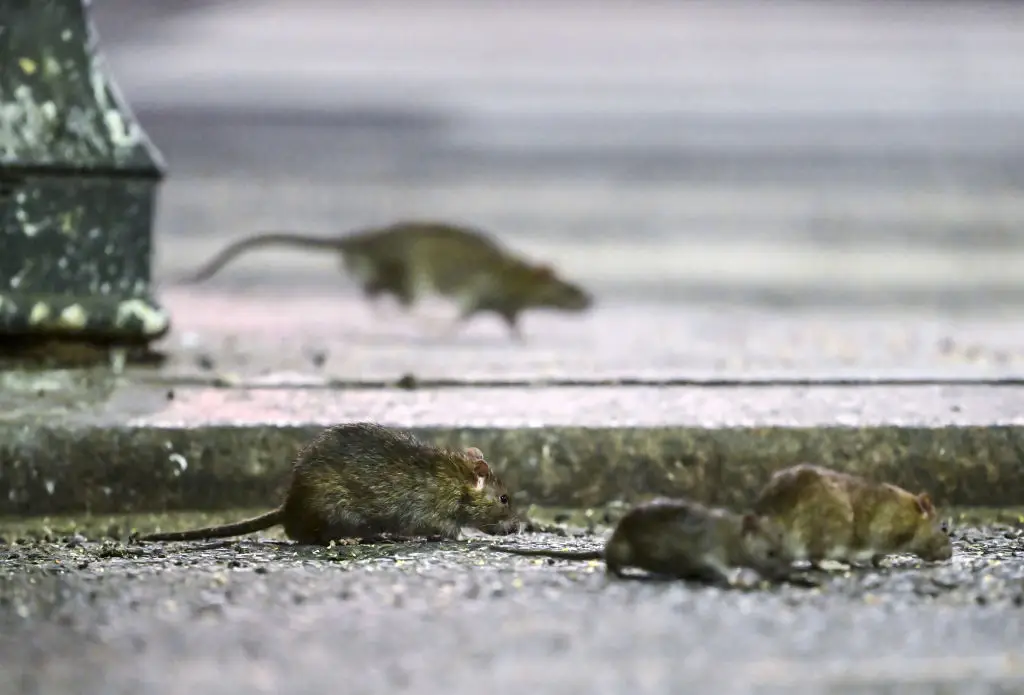
"The house mouse and the Norway rat are globally distributed commensal rodent species," researchers said the Pest Management Science journal, adding: "They cause substantial economic losses by damaging furniture and buildings and pose serious public health risks through the transmission of zoonotic diseases."
Of course there are other ways to control rat populations, including traps.
However, rats are highly intelligent and can even find a way to wriggle out of these traps, or learn to avoid them.
Poisons can come as anticoagulants, which stop the blood clotting and eventually cause a rat to die from internal bleeding, or neurotoxins that cause seizures, but both can take several days to kill a rat.
In New York City, some residents have even taken matters into their own hands by patrolling neighbourhoods with their dogs, kicking and rattling trash cans before the dog seizes the emerging rats.
 Kit Roberts