US judge strikes down Trump's visa ban affecting 75 countries

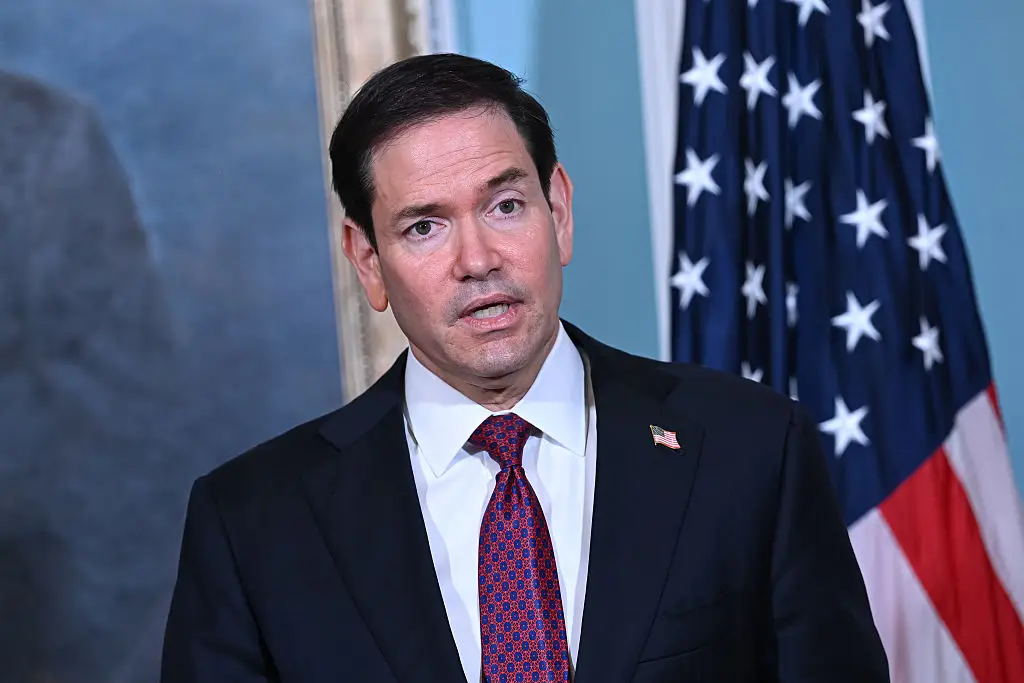
A federal judge has struck down the Trump administration's ban on visas for immigrants from 75 countries, ruling the policy was unlawful and went beyond the powers granted to Secretary of State Marco Rubio.
US District Judge Jeannette Vargas issued the ruling on Friday, August 21, throwing out a State Department policy that had frozen immigrant visa applications from close to 40 percent of the world's nations since January, according to CNN.
The list included Brazil, Colombia, Egypt, Haiti, Somalia and Russia, with officials claiming the freeze would stop people who might 'take welfare and public benefits' from entering the country.
Vargas wasn't convinced by that reasoning, ruling the policy fell outside Rubio's legal authority and directly violated a 1965 law that bars visa discrimination based on nationality.
Advert
'The outcome is predetermined. The visa will be refused,' she wrote, describing how the ban had been applied in practice.
What was the Trump administration's 75-country visa ban?
The freeze applied specifically to immigrant visas, the kind that lead to permanent residence through family sponsorship or a job offer, rather than tourist or student visas.
According to court records, the State Department built its list of 75 countries using Council of Economic Advisers data, targeting nations where more than 30 percent of immigrant households received some form of public assistance.
The list wasn't limited to any one region, spanning the Caribbean, sub-Saharan Africa, the Balkans, the Middle East, Central Asia and Southeast Asia, and pulling in US allies such as Jordan, Egypt and Georgia along the way.
Under existing immigration law, a consular officer is supposed to weigh a person's finances, age, health, skills and family situation before deciding whether they're likely to become a so-called 'public charge'.
Judge Vargvaras found that wasn't happening.
Instead, a cable sent by Rubio to every diplomatic and consular post ordered officers to reject applicants from banned countries even when someone 'provides additional evidence that demonstrates he or she overcomes the public charge refusal'.
Who challenged the visa ban in court?
The case was brought by six US citizens who'd filed family-based petitions, arguing the freeze had cut off relatives in Ghana, Jamaica, Guatemala and Ethiopia from getting visas.
Five Colombian nationals who'd applied for job-based visas joined the challenge too, with at least one of them receiving a denial notice that cited the policy directly.
Not everything went the plaintiffs' way.
Judge Vargas did side with the administration on one point, agreeing the ban wasn't the kind of formal rule that legally required a public comment period before being rolled out. The administration's lawyers had also leaned on a 2018 Supreme Court ruling that upheld a version of Trump's first-term travel ban, but Vargas said that case centered on presidential power over who enters the country, not on whether a visa could be issued in the first place, so it didn't apply here.
Denials issued on separate legal grounds still stand, even if an officer also referenced the now-blocked policy, meaning it's not yet clear how many rejected applications could be reversed. Judge Vargas, a Joe Biden appointee, has given both sides until September 11 to propose next steps in the case, and the administration retains the option to appeal.
UNILAD has contacted the Justice Department and the White House for comment.
Topics: Donald Trump, Court, US News, Immigration
 Thomas Bamford