Trump's 'immigration freeze' explained as 19 countries affected and White House prepare to expand travel ban

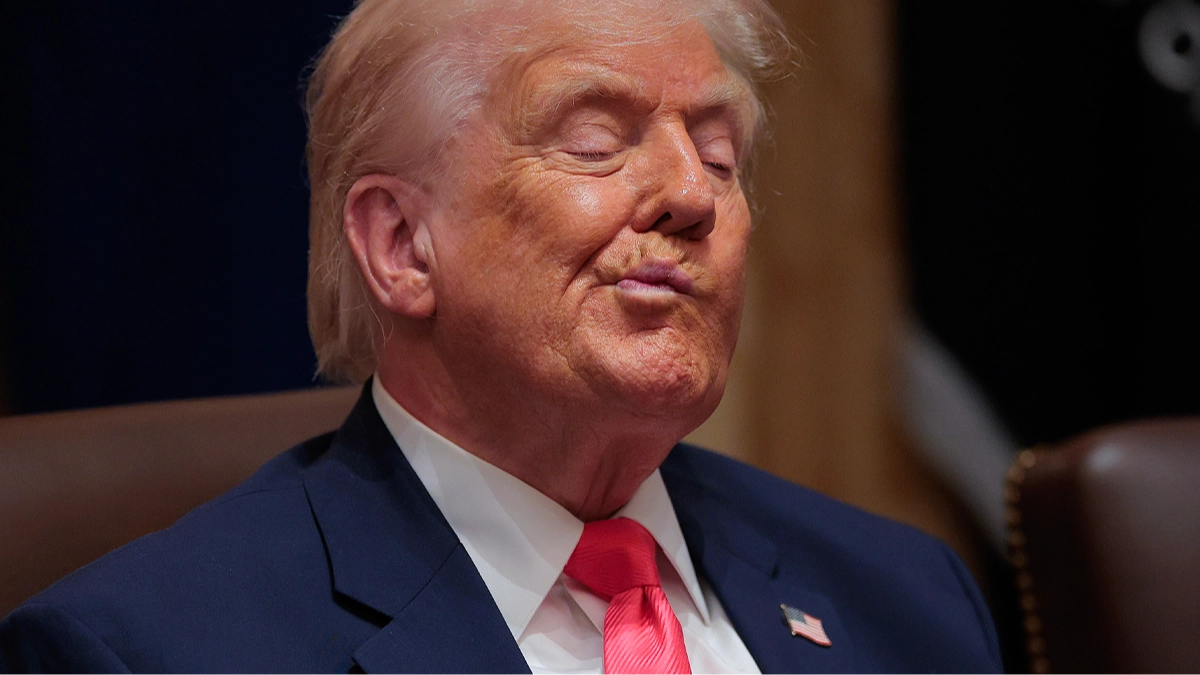
If you've been keeping up with the news this week you'll have heard about Donald Trump's controversial immigration freeze.
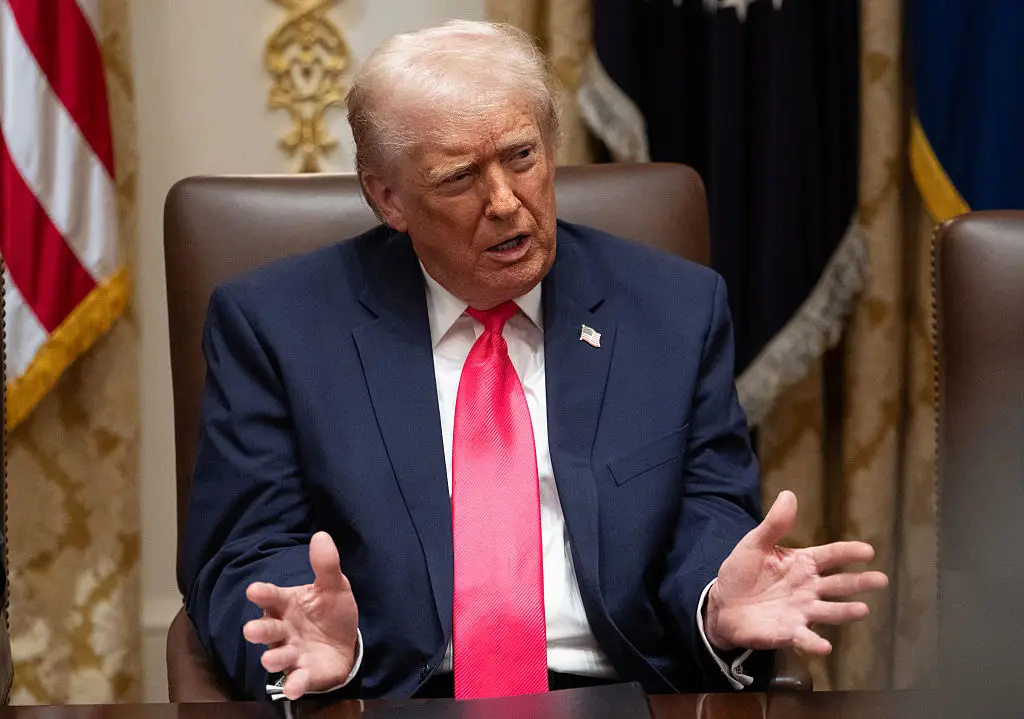
On Tuesday (December 2), the president announced that people from 19 countries will have their immigration requests frozen with immediate effect, saying he would 'permanently pause migration from all third world countries'.
The US Citizenship and Immigration Services (USCIS) proceeded to send out a memo to its staff telling officers to cease making final decisions on all immigration applications from those countries. These decisions include green cards, work permits, and citizenship applications.
The 19 affected countries are: Afghanistan, Burma (Myanmar), Burundi, Chad, the Republic of the Congo, Cuba, Equatorial Guinea, Eritrea, Haiti, Iran, Laos, Libya, Sierra Leone, Somalia, Sudan, Togo, Turkmenistan, Venezuela and Yemen.
Why has the freeze been brought in?
Advert
On November 26 a man shot two National Guards just blocks away from the White House. Tragically one guard has since succumbed to her injuries and died while the other officer is still in hospital.
Rahmanullah Lakanwal, a 29-year-old man from Afghanistan, has been identified as the prime suspect and is now facing murder and assault charges, which he's pleaded not guilty to.
Lakanwal legally came into the US in 2021 under the Biden administration's 'Operation Allies Welcome' scheme.
Shortly after the attack, the USCIS announced that it was suspending all Afghan asylum and immigration claims 'effective immediately'. This suspension has since expanded to an additional 18 countries.
How the freeze affects immigrants already in the US
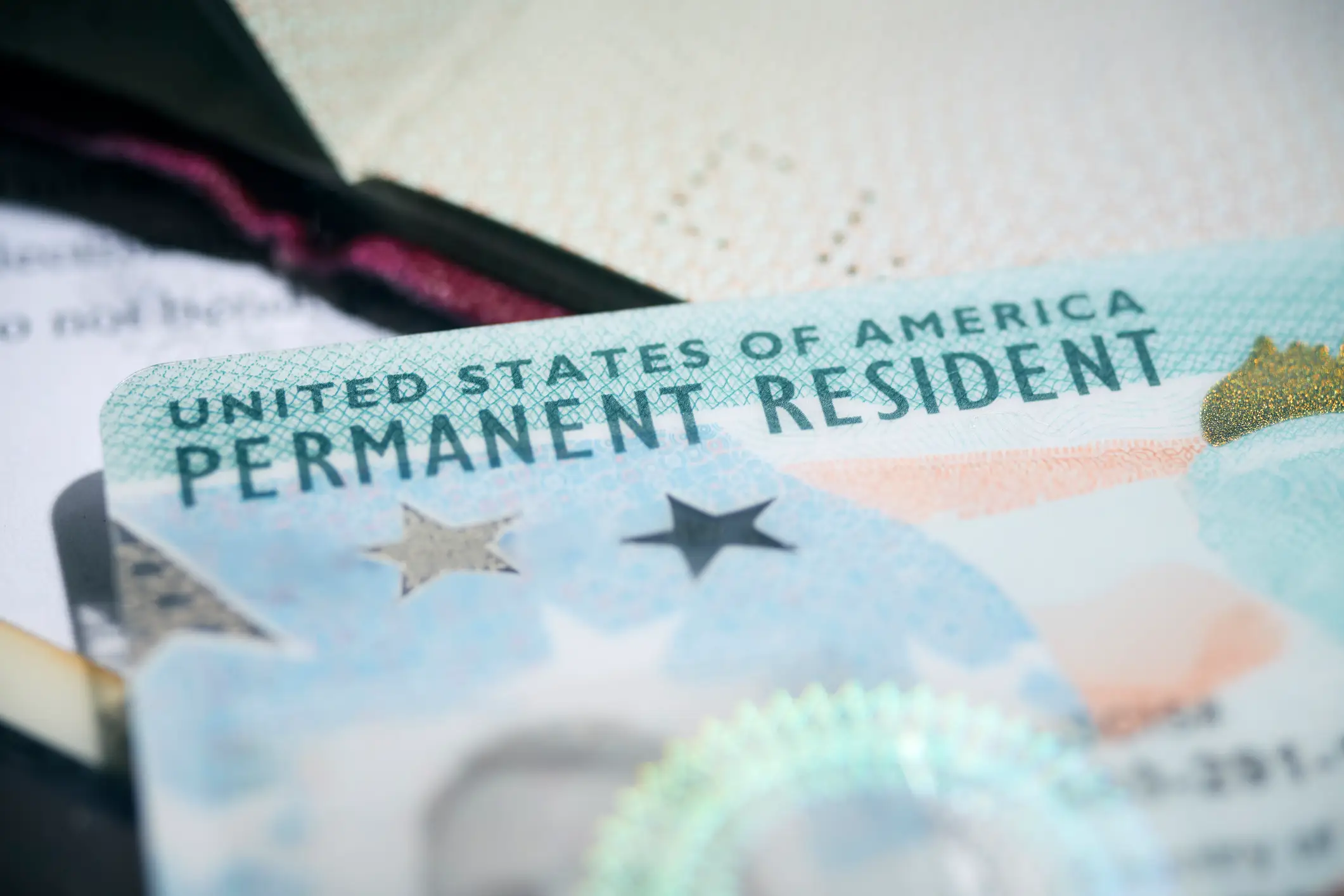
According to IAS Immigration Law, a UK-based immigration advice service, green hard holders in the US will not automatically lose their permanent residence but their cases could be up for further review.
"If officials suspect there may be security or eligibility issues, some individuals may be asked to return for additional interviews or provide more documentation," it adds.
In regards to those who are close to getting their citizenship, the freeze could prolong the application process. It's been reported that interviews and oath ceremonies have been canceled for citizens from the 19 named countries.
What people trying to come to the US should expect
Those trying to come into the US from the named 19 countries should expect longer processing times, more thorough reviews, and possible appointment cancelations.
It added that while Trump has considerable legal power in halting the immigration process for people not currently in the US, courts are more likely to challenge his attempts to halt citizenship proceedings for people already in the country.
ISA Immigration Law further warned: "The situation is changing quickly, so anyone with an application pending or planning to apply to one of the listed countries should obtain current, personalized legal advice instead of relying on past practices or timelines."
Topics: Donald Trump, Immigration, US News, Politics, World News
 Niamh Shackleton