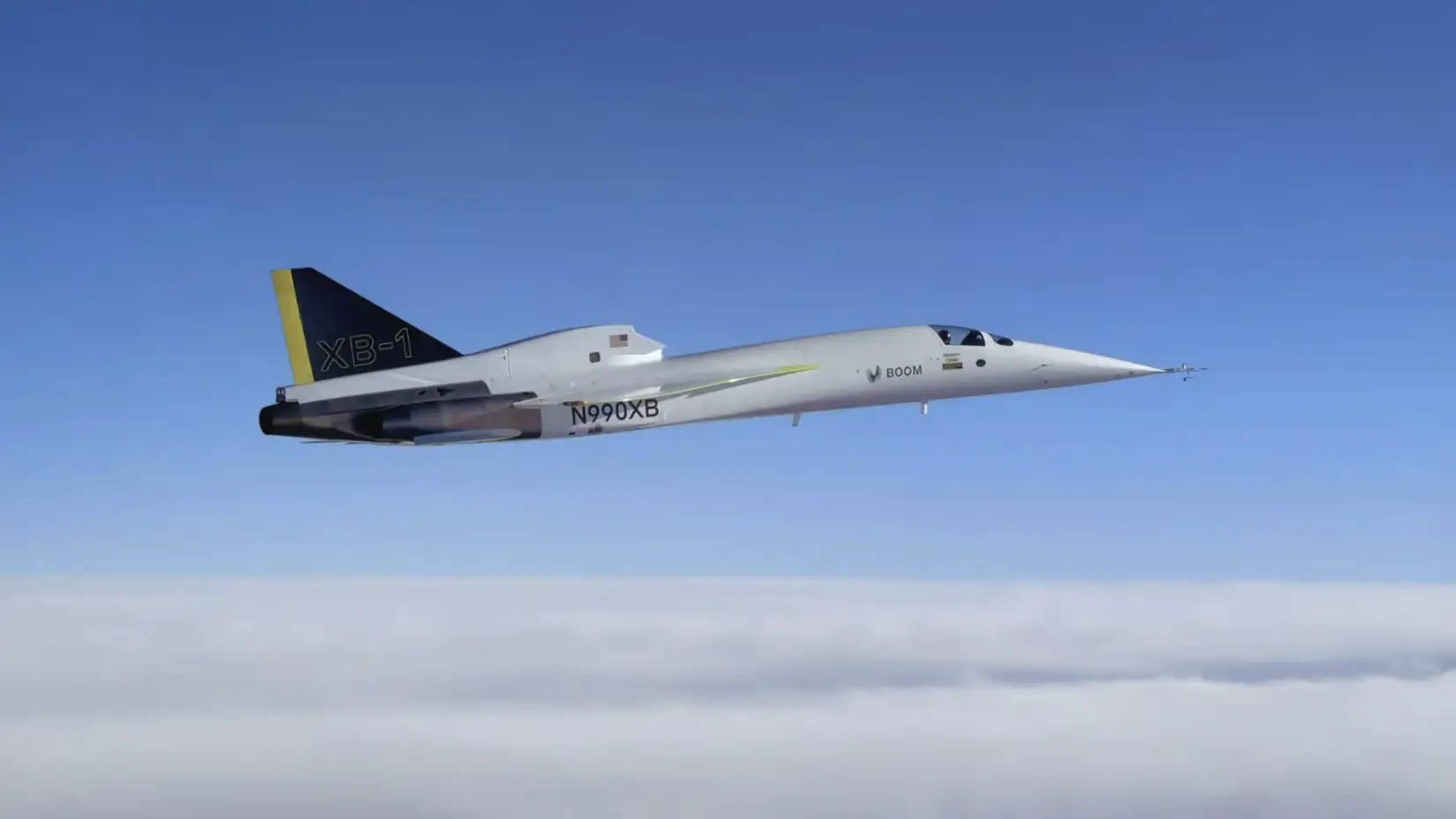
Supersonic jet that can fly from LA to NY in under 3 hours could soon launch as travel restriction lifted

Anyone who's ever sat through a painfully long domestic flight in the US might want to pay close attention to this one.
The Federal Aviation Administration has taken a major step towards making cross-country travel dramatically faster, after scrapping a decades-old restriction that's been in place since the 1970s.
The change centres around overland supersonic travel, which has effectively been banned in the US since 1973 due to concerns over the disruptive sonic booms produced by aircraft flying faster than the speed of sound.
It's a restriction that's loomed large over aviation history ever since, and played a part in grounding the likes of Concorde, which was famously barred from flying supersonic over land in the US and eventually retired in 2003 after struggling to turn a profit on transatlantic routes alone.
Advert
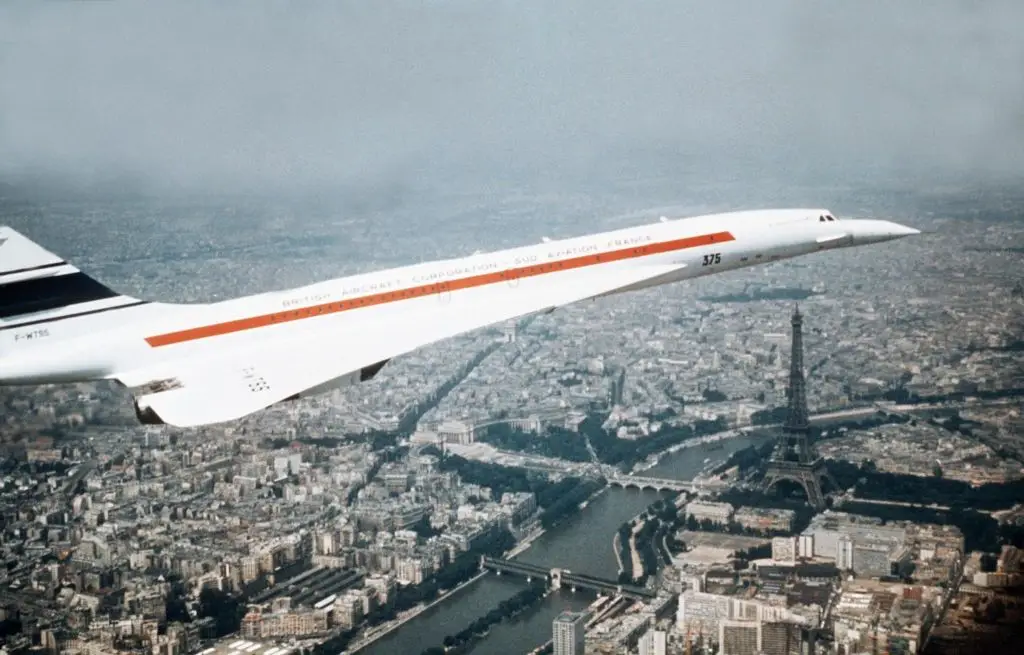
Why has the FAA lifted the supersonic flight ban?
Now, more than 50 years on, the FAA has moved to scrap that ban entirely, replacing it with new noise limit standards instead.
According to reports, the shift could slash flight times between Los Angeles and New York from around six hours down to roughly three, a change that would completely transform domestic air travel in the US.
Supersonic jets are capable of travelling faster than Mach 1, in excess of 770mph, compared to the 550 to 600mph cruising speed of today's typical commercial airliners.
FAA Administrator Bryan Bedford told the New York Post that advances in aerospace engineering and aircraft design mean disruptive sonic booms could soon become a thing of the past.
"This means we can ultimately repeal the ban from the 1970s on supersonic flight over U.S. territory while minimizing noise impacts to residents in communities along the route and near airports," he said.
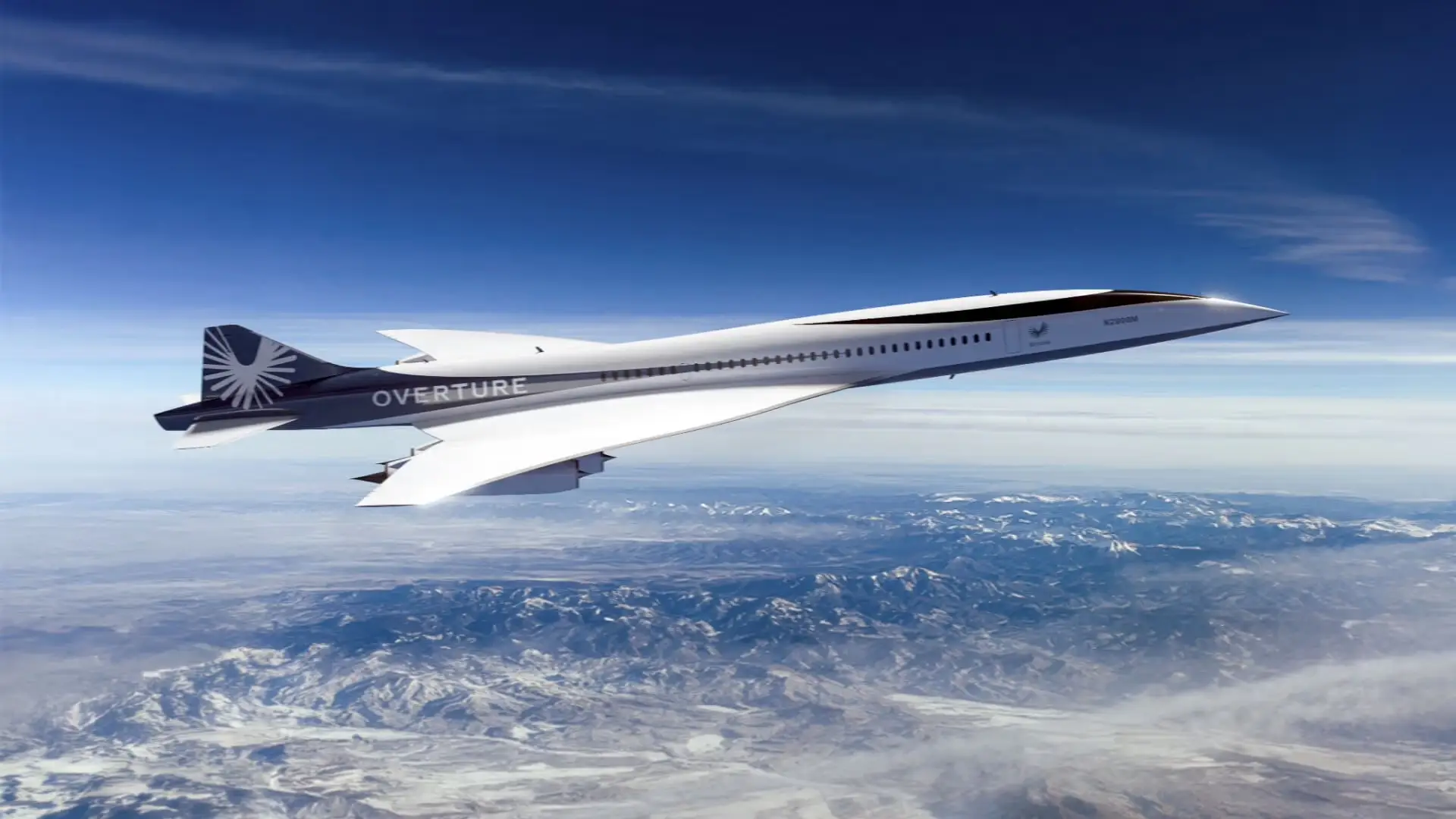
How fast will the new supersonic planes travel?
The FAA is expected to propose separate takeoff and landing noise standards later this year, with the new rules not likely to be finalised until mid-2027.
Several companies are already working towards bringing supersonic travel back to the skies, including Colorado-based Boom Supersonic, which says it has secured orders from United Airlines, American Airlines and Japan Airlines for jets capable of carrying 60 to 80 passengers.
Atlanta-based Spike Aerospace is taking things a step further, developing a supersonic private jet aimed squarely at high-end, luxury travel.
The announcement follows an executive order signed by President Donald Trump back in June 2025, in which he argued the ban on supersonic flights was 'weakening our global competitiveness.'
The order stated, "Advances in aerospace engineering, materials science, and noise reduction now make supersonic flight not just possible, but safe, sustainable, and commercially viable."
It's a marked shift from the attitude of the 1960s, when so-called Oklahoma City experiments testing sonic booms resulted in shattered windows and cracked walls, sparking public outrage and ultimately leading to the 1973 ban in the first place.
 Thomas Bamford