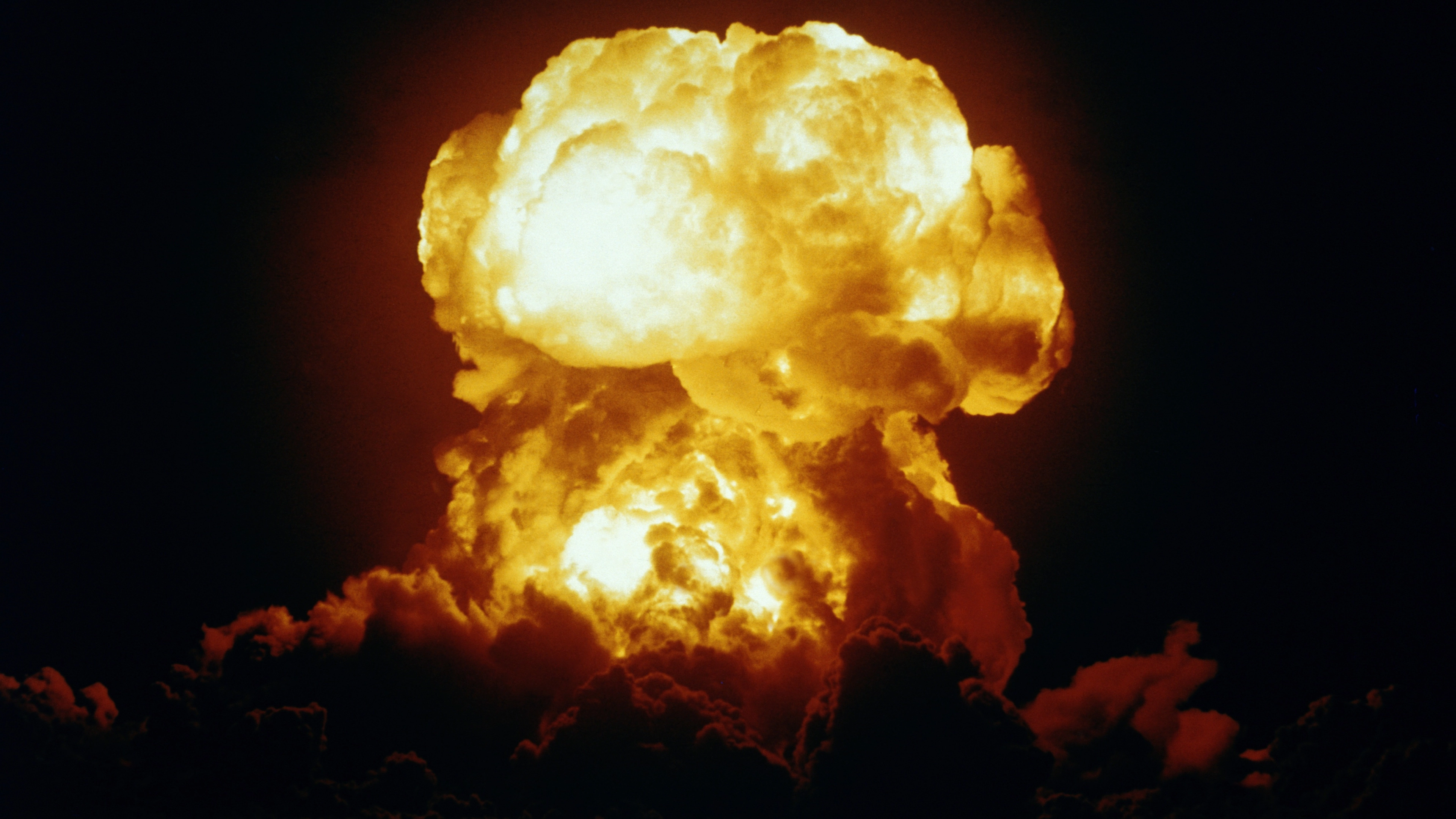
Safest US states to be in if WW3 broke out as fears grow following strikes on Iran

These are states you'd probably want to be in if World War 3 were to break out in the US as global tensions continue to rise.
Over the weekend, America and Israel issued air strikes on Iran in a joint operation known as 'Operation Epic Fury'. Multiple cities in Iran have been hit, including Tehran, Isfahan, Tabriz, Kermanshah, and Qom, Sky News reports.
Supreme Leader Ayatollah Ali Khamenei's residence was also targeted, and he was killed as a result. The controversial leader had been running the country for more than 30 years.
There are now fears that Iran will retaliate, despite Donald Trump's warning them not to. If they do, some believe there's a possibility the conflict could escalate to become WW3.
Advert
Should Iran fire back, it's likely they will target America's nuclear missile silos that are dotted around the country.
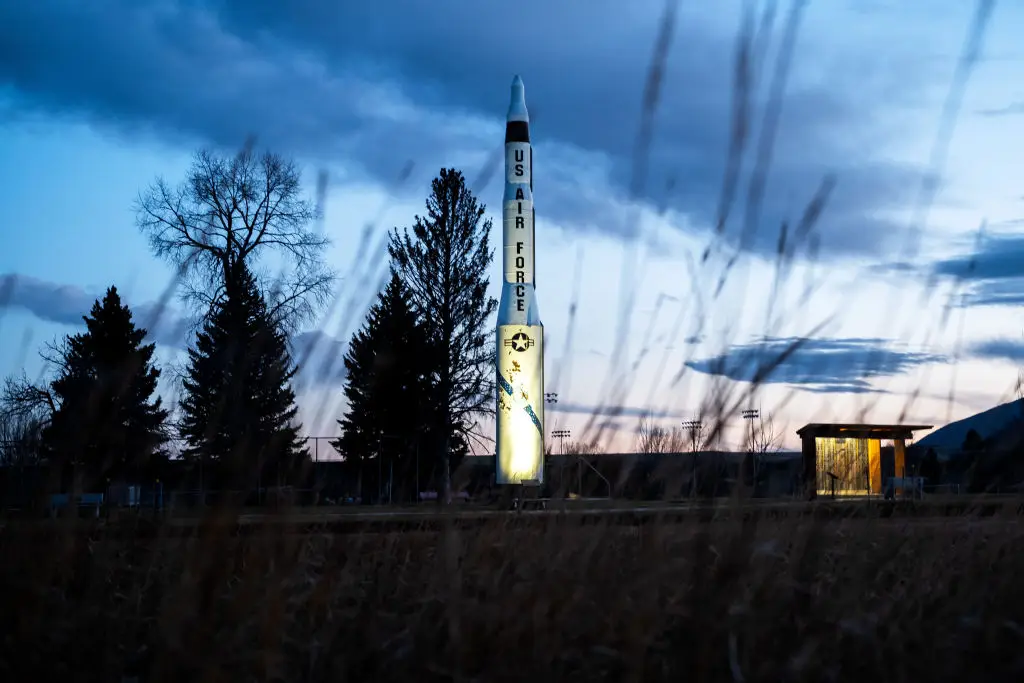
Reportedly, the US has about 2,000 nuclear warheads, a large majority of which are located in Montana, North Dakota, and Nebraska, according to Nuclear Forces. There are also some in Wyoming and Colorado.
What are the 'safest' US states to be in if WW3 broke out?
With this in mind, the 'safest states' to be in should these areas of America but struck to target the nuclear silos include Maine, New Hampshire, Vermont, Massachusetts, Rhode Island, Connecticut, New York, New Jersey, Pennsylvania, Delaware, Maryland, District of Columbia, Virginia, West Virginia, North Carolina, South Carolina, Georgia, Florida, Alabama, Mississippi, Tennessee, Kentucky, Ohio, Indiana, and Michigan, Newsweek reports.
Other states that would be somewhat safe are the likes of Washington, Utah, New Mexico, and Illinois.
The 'safety' of these states has been calculated on how much nuclear exposure residents living there would experience if the country's key nuclear sites were struck.
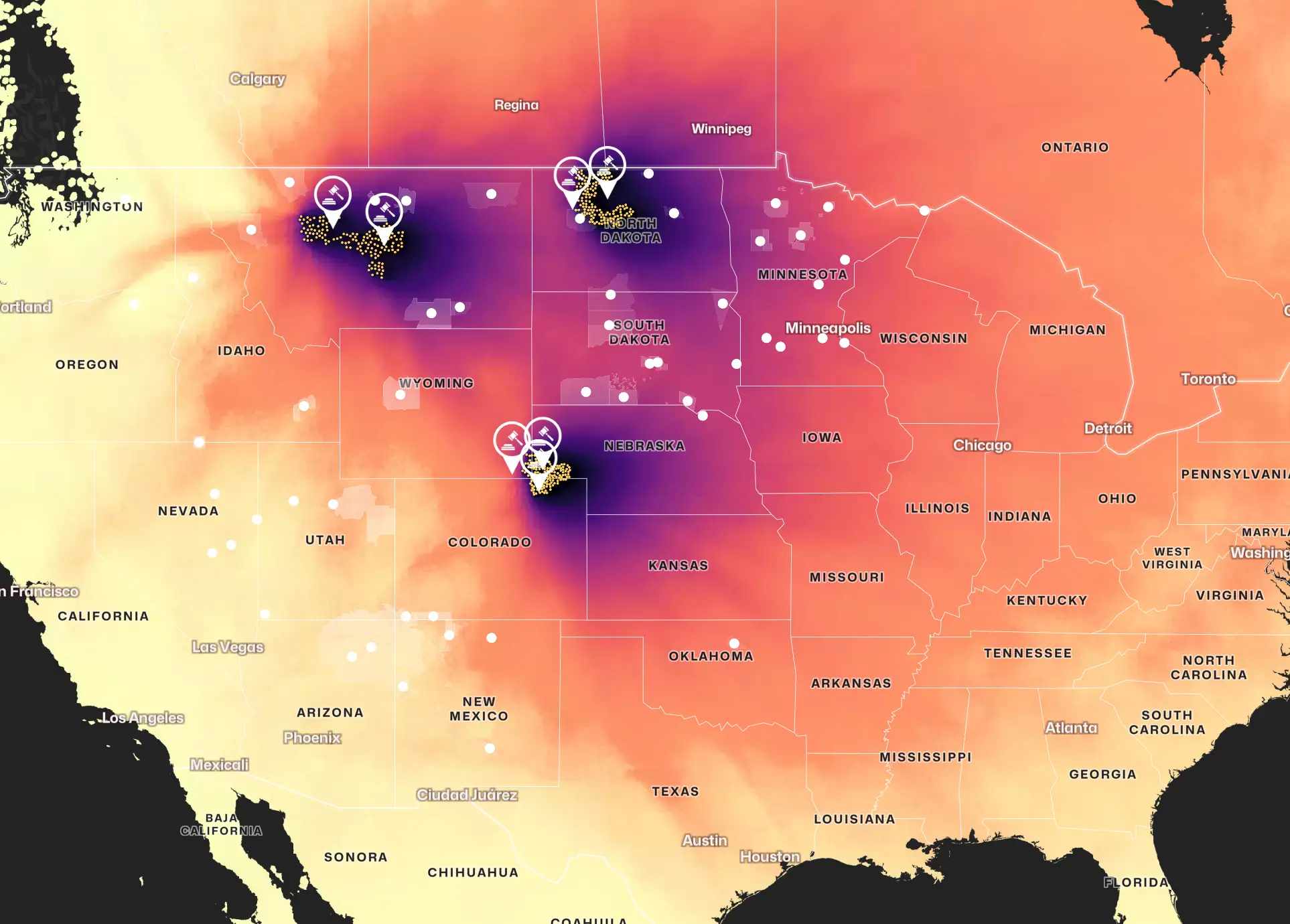
For example, Montana, Wyoming, Colorado, Nebraska, South Dakota, North Dakota, Iowa, and Minnesota – some of the states that would be most at risk – could be exposed to radiation levels of 1 Gy to 84 Gy, with just 8 Gy being lethal. Gy stands for Grays, the unit of ionizing radiation dose in the International System of Units.
In comparison, the so-called safest states might only experience 0.001 Gy to 0.5 Gy.
Explaining its calculations, Newsweek said: "This is based on the average radiation exposure risk calculated for each latitude and longitude point, using a scale measuring the estimated cumulative radiation dose after four days in grays (Gy), a unit of ionizing radiation dose."
When it comes to the most at-risk states, Scientific American previously gave an extremely worrying outlook for those housing nuclear silos.
"A concerted nuclear attack on the existing US silo fields – in Colorado, Wyoming, Nebraska, Montana and North Dakota – would annihilate all life in the surrounding regions and contaminate fertile agricultural land for years," it said in 2023.
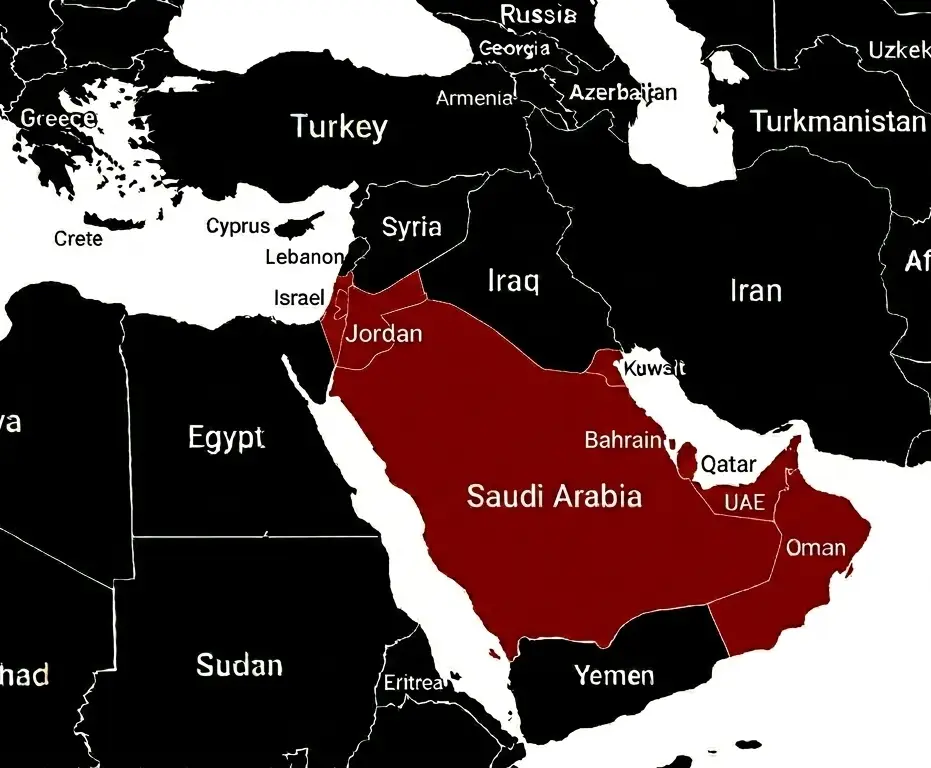
Where has Iran attacked?
Iran has so far issued retaliatory strikes at Israel, Jordan, Saudi Arabia, Kuwait, Bahrain, the UAE, and Oman.
According to the BBC, at least nine people were killed during a missile strike on Beit Shemesh in Israel on Sunday, while the Pentagon said three service members had been killed in action.
Meanwhile, three people have been killed, and several were injured in the UAE, their defence ministry said yesterday, while Kuwait's ministry of defence said on Saturday (February 27) that several ballistic missiles had targeted the Ali Al-Salem airbase, but air defence forces had managed to intercept them.
The Independent reports that Doha in Qatar also faced multiple attacks over the weekend, with its foreign ministry saying it reserved the right to respond to Iran.
 Niamh Shackleton