
Pam Bondi admits there have been mistakes made with handling of Epstein files

Attorney General Pam Bondi has admitted that mistakes were made in the handling of the release of the Epstein files, including redaction errors, according to a letter.
After three and a half million documents related to the case were released by the Department of Justice (DOJ) for public viewing, containing much redacted information such as names, contact information and faces, 7,000 have been flagged for further review.
Bondi’s letter to federal judges expressed concerns from victims who have allegedly had their information included in the files.
Due to this, the Justice Department ‘has temporarily removed thousands of documents from the DOJ Epstein Library for further review — including approximately 9,500 documents subject to the Protective Orders in the Maxwell case,’ she wrote.
Advert
"Based on a sampling of documents for purposes of preparing this letter, there are instances where redactions appear to have been inadvertently missed despite what is clearly a robust effort by the reviewer," the DOJ wrote in a letter to federal judges.
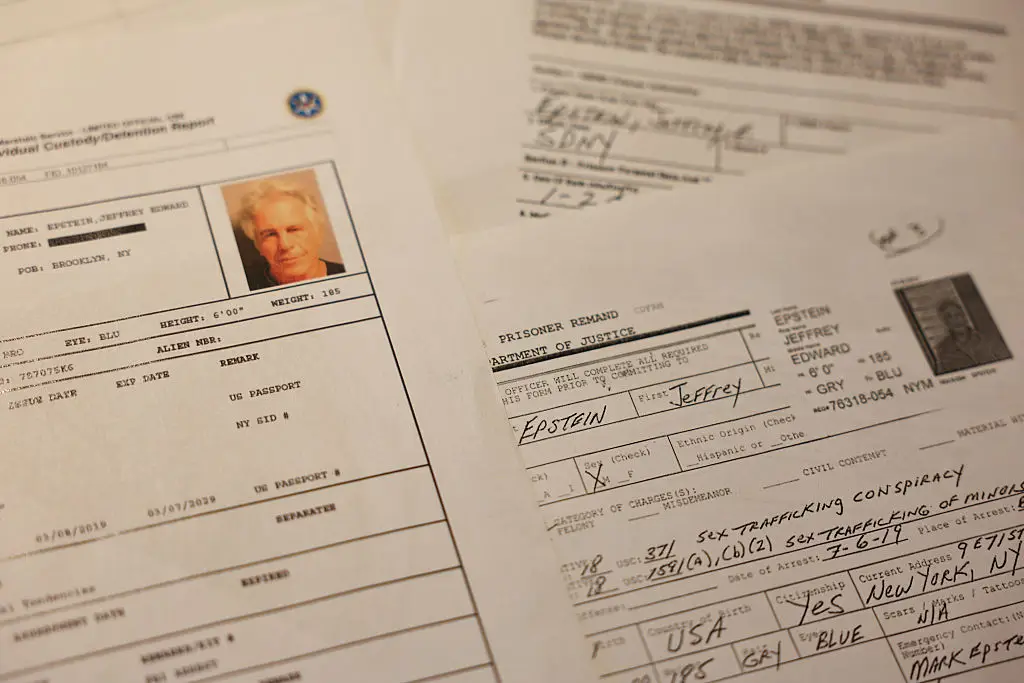
Bondi blamed human errors, technical errors, and DOJ staff's inability to properly search text as causes for the issues.
She went on to say they have found ‘new victims and new identifiers (such as nicknames, email addresses, and family names' in the published documents.
Democratic Representative Ro Khanna of California and GOP Representative Thomas Massie of Kentucky, both of whom campaigned for the release of the files, have requested that they examine the unredacted files.
“The DOJ has protected the Epstein class with blanket redactions in some areas while failing to protect the identities of survivors in other areas,” Khanna said to CNN. “Congress cannot properly assess DOJ’s handling of the Epstein and Maxwell cases without access to the complete record.”
Congress had passed a law in November which required the Justice Department to release its unclassified records within 30 days, and to also redact the victims’ information.
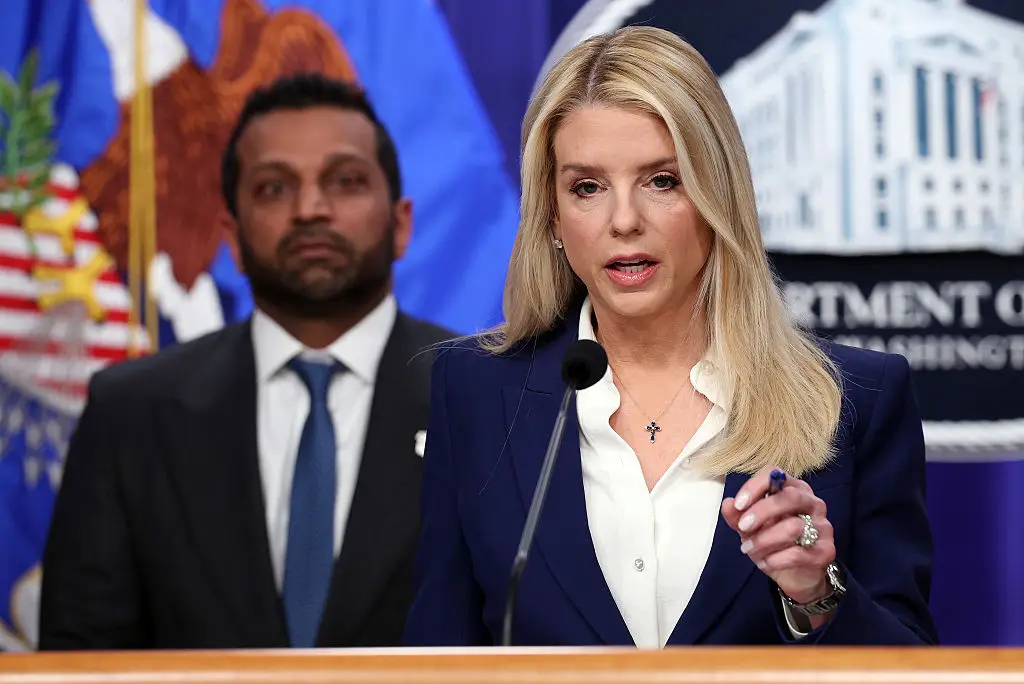
In the end, the DOJ missed the original 30-day deadline by six weeks, and some information about victims was left exposed.
Bondi’s letter outlined the steps the DOJ had taken to keep victims safe.
“The Department has made, and continues to make, substantial progress in identifying, reviewing, and redacting potential victim-identifying information both independently and in coordination with victims and their counsel,” she wrote.
Topics: Jeffrey Epstein, Politics, US News
 Britt Jones