Putin's 'Satan II' nuclear missile explained as he declares it 'most powerful in the world'

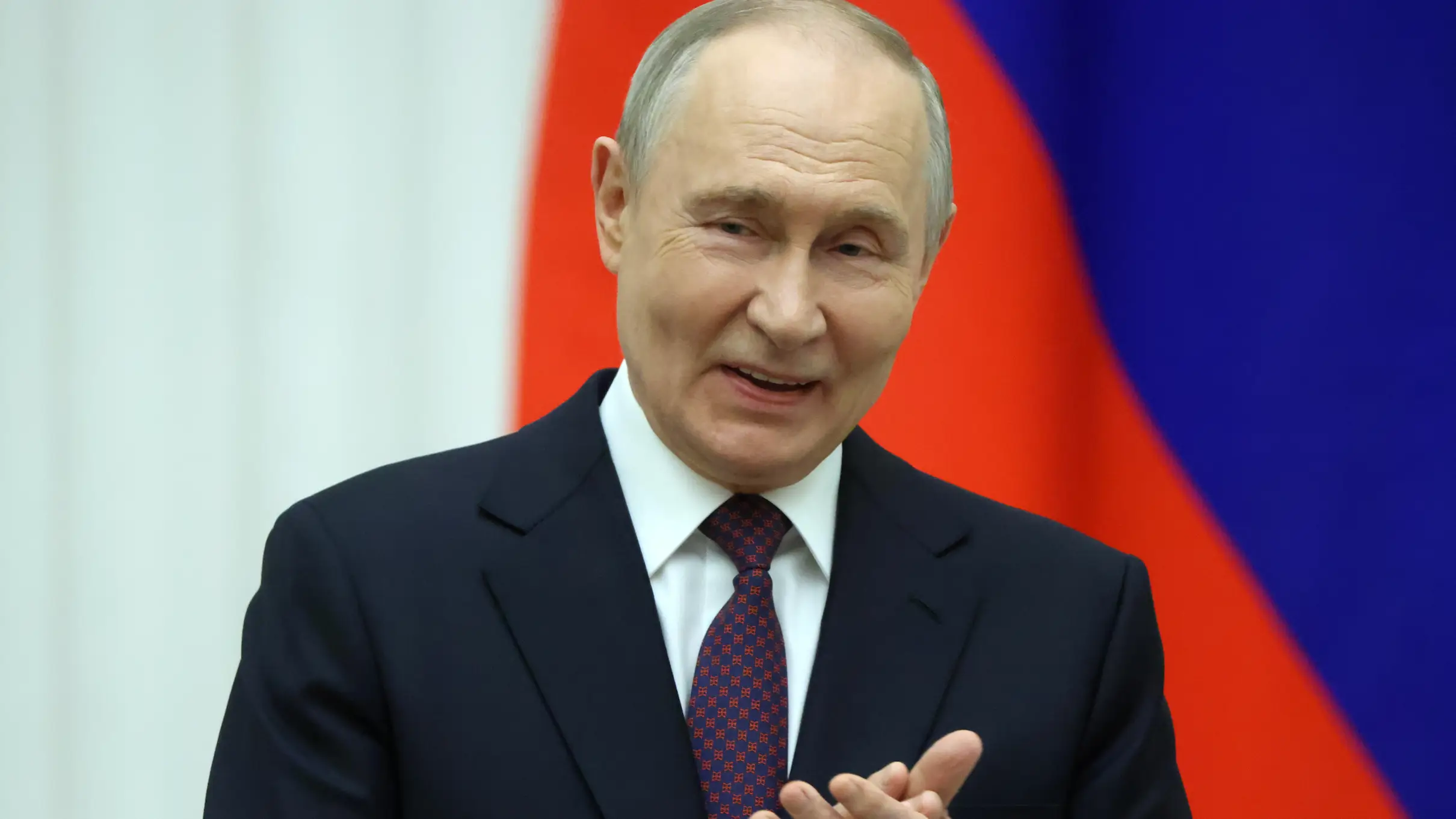
Russia's President Vladimir Putin hailed the country's new Sarmat missile this week, calling it 'the most powerful missile in the world'.
And if he's telling the truth he'd be right, it makes all of its competitors look like a BB gun.
The new intercontinental missile, which can deploy warheads 'five times faster than the speed of sound', has been launched in an effort by Russian leader to modernise their nuclear arsenal.
Putin said that the new missile would enter service at the end of the year, to replace the aging Soviet built Voyevoda missiles.
Advert
He suggested to Russian Media that the combined power of the new Sarmat's warheads is more than four times higher than that of any Western counterpart. This claim remains unverified.
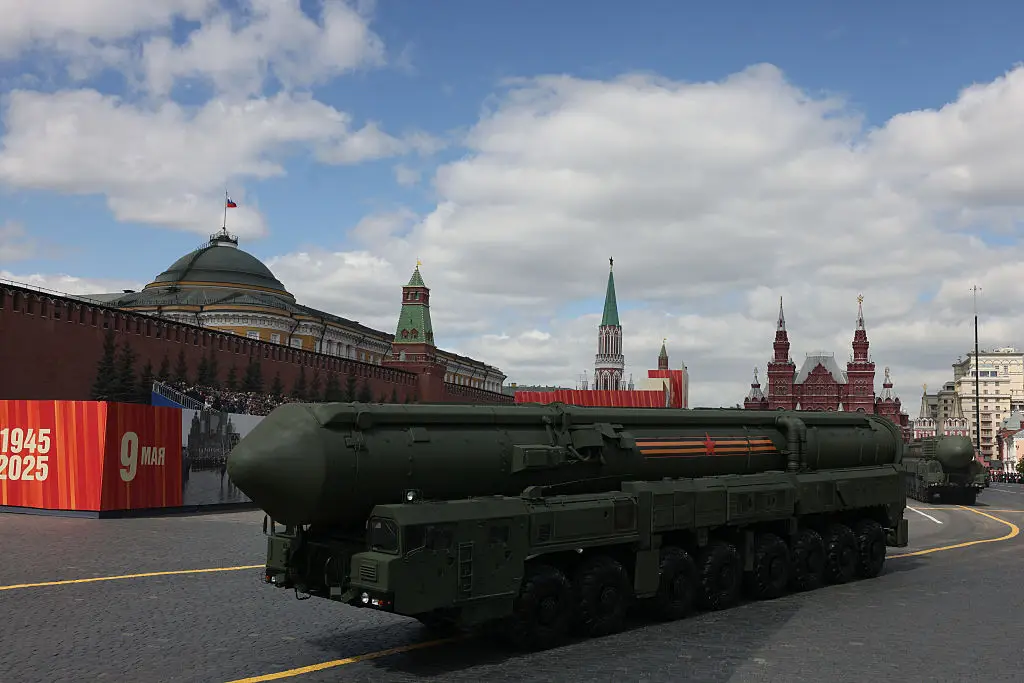
What is the ‘Satan II’ missile?
The Satan II has a range of more than 21,700 miles, according to the state-owned RIA Novosti news agency.
It has been in development for nearly 15 years, reportedly causing a massive explosion in 2024 after a failed test.
Putin claims that this new, super-powerful missile would render U.S. missile defences useless. He went on to say that it was capable of 'suborbital flight' (where it reaches outer space) which would give it a gigantic range of 21,700 miles.
For reference, this means the missiles could hit Argentina.
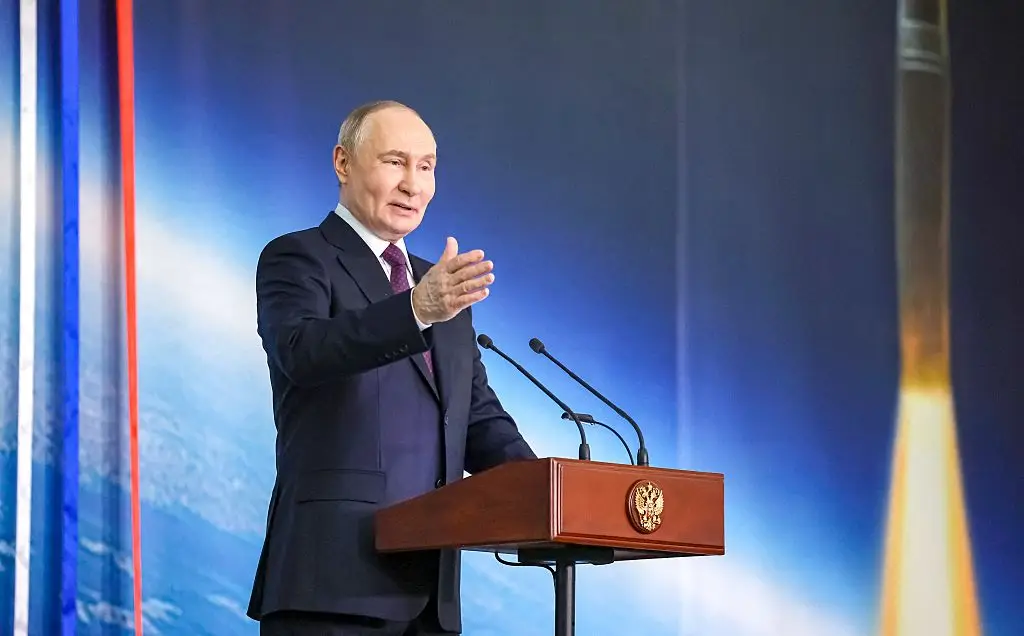
What other weapons does Russia have?
And it's not the only weapons development the Russians have been working on.
The timings of these new weapon reveals is not by chance. The last Cold-War nuclear arms pact between the U.S. and Russia ran out in February, which means there are currently no limits on the twos biggest nuclear arsenals.
For the first time in more than 50 years, there could be another nuclear arms race.
Putin has launched research and development of a slew of new weapons, including an underwater drone that could cause a 'nuclear tsunami' by exploding near enemy coastlines.
Other new weapons include a the Avangard hypersonic glide vehicle, capable of flying 27 times faster than the speed of sound and the new nuclear-capable Oreshnik intermediate-range ballistic missile.
The range of the Oreshnik is reported to be about 3,100 miles, which means all of Europe is well within reach.
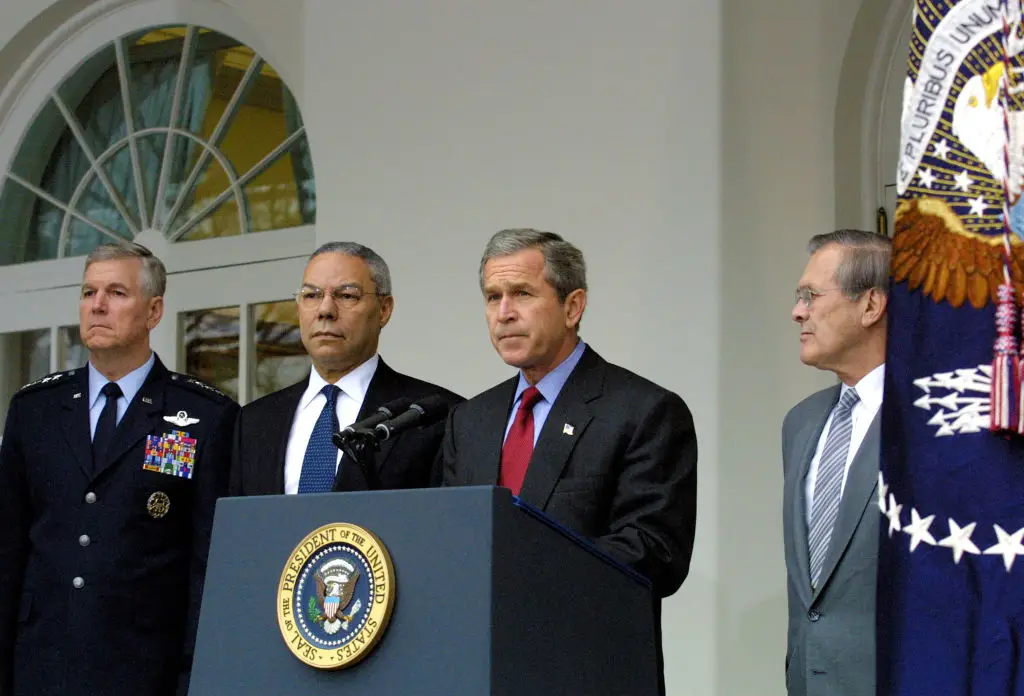
What was the 1972 Anti-Ballistic Missile treaty?
Putin blames their development of these new weapons on President George W. Bush's withdrawal from the 1972 Anti-Ballistic Missile (ABM) Treaty, a cornerstone of Cold War-era nuclear arms control in 2001.
Russian military planners have long been worried that a U.S. missile shield could encourage Washington to launch a strike on Moscow, knocking out most of their nuclear arsenal before they got a chance to retaliate.
He said: "We were forced to consider ensuring our strategic security in the face of the new reality and the need to maintain a strategic balance of power and parity."
Topics: Russia, Vladimir Putin
 Thomas Bamford