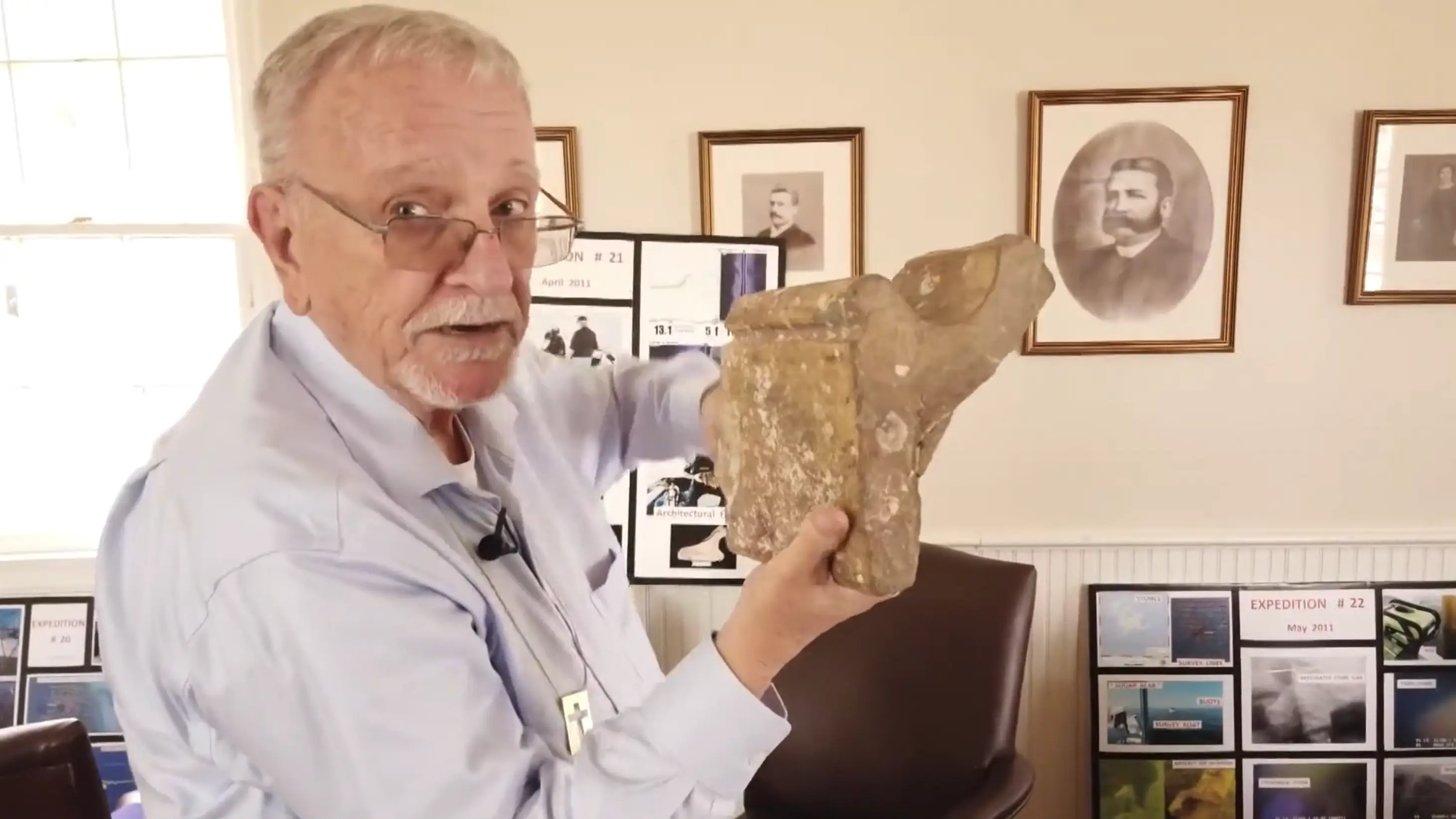
Amateur archaeologist claims to have found 12,000-year-old underwater city off US coast

An amateur archaeologist claims to have made a remarkable discovery of the east coast of the United States.
George Gelé is a retired architect who has now taken up amateur archaeology, and claims to have discovered a 12,000-year-old city off the coast of Louisiana, though his theory is not backed up by history experts.
Gelé has taken around 44 trips to the site in the Chandeleur Sound, which is located in Gulf of Mexico approxiamtely 50 miles east of New Orleans, and refers to the site of his theory as 'Crescentis'.
Chandeleur Sound is an area of interest as it contains large masses of granite, and granite is not typically found naturally in Mississippi or Louisiana.
Advert
Gelé has theorized that these are actually giant underwater pyramids which have been left over from an ancient and extinct civilization.
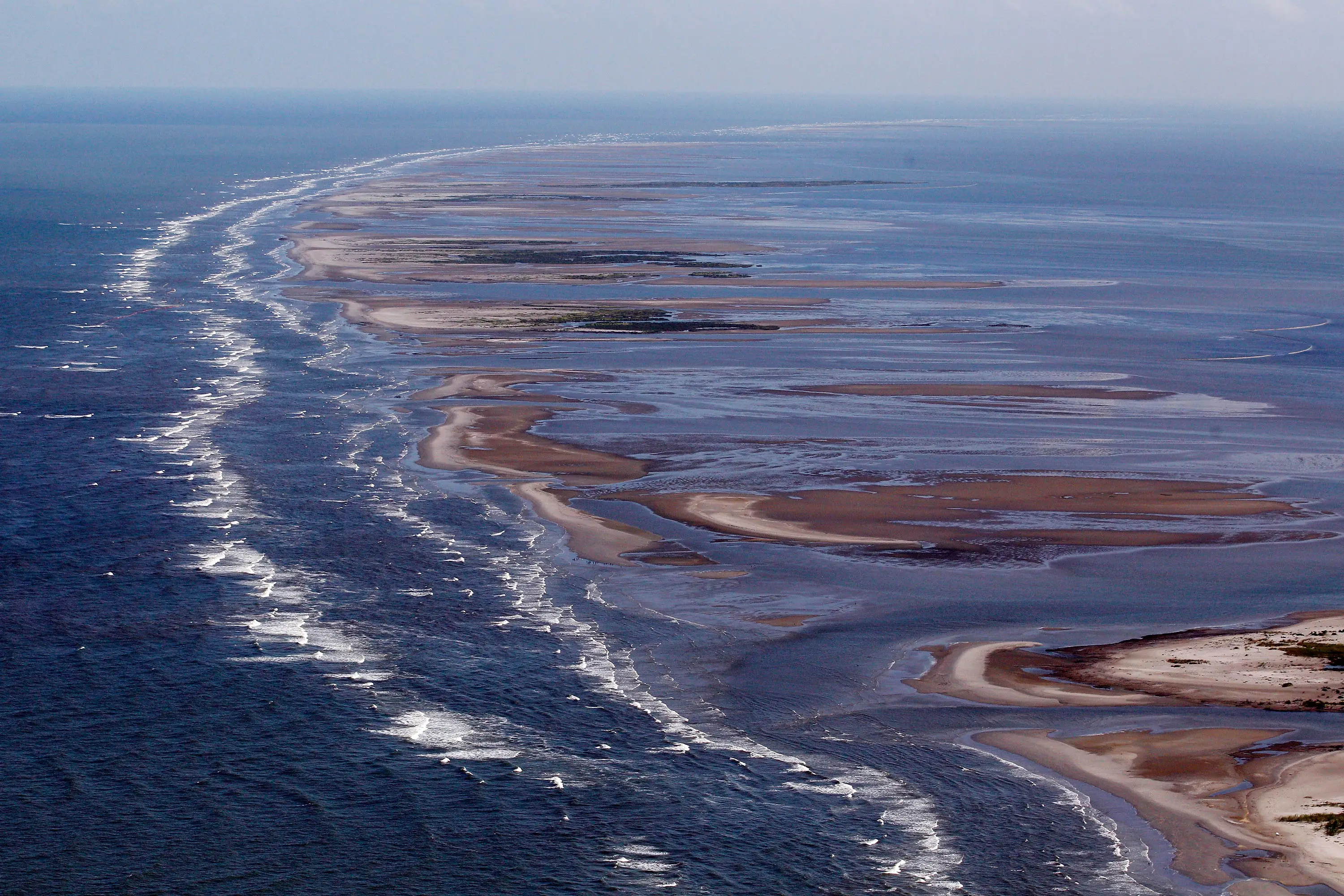
Speaking to CBS affiliate WWL-TV, he said: “What’s down there are hundreds of buildings that are covered with sand and silt and that are geographically related to the Great Pyramid at Giza.
“Somebody floated a billion stones down the Mississippi River and assembled them outside what would later become New Orleans.”
Gelé has examined the site almost 50 years, capturing sonar images of the sea floor which he believes shows the remains of gigantic pyramids which were 280 feet tall.
He claims that the structure emits surges of electromagnetic energy, which can affect boat compasses as they travel over the site.
Gelé claims that the site dates back to the end of the Ice Age, when coastal landscapes were submerged by rising sea levels, though his findings have not been published in any peer-reviewed journals.
Gelé has frequently gone out with local shrimper Ricky Robin, who says that his boat's compass has spun around completely when over the spot with the pyramid.
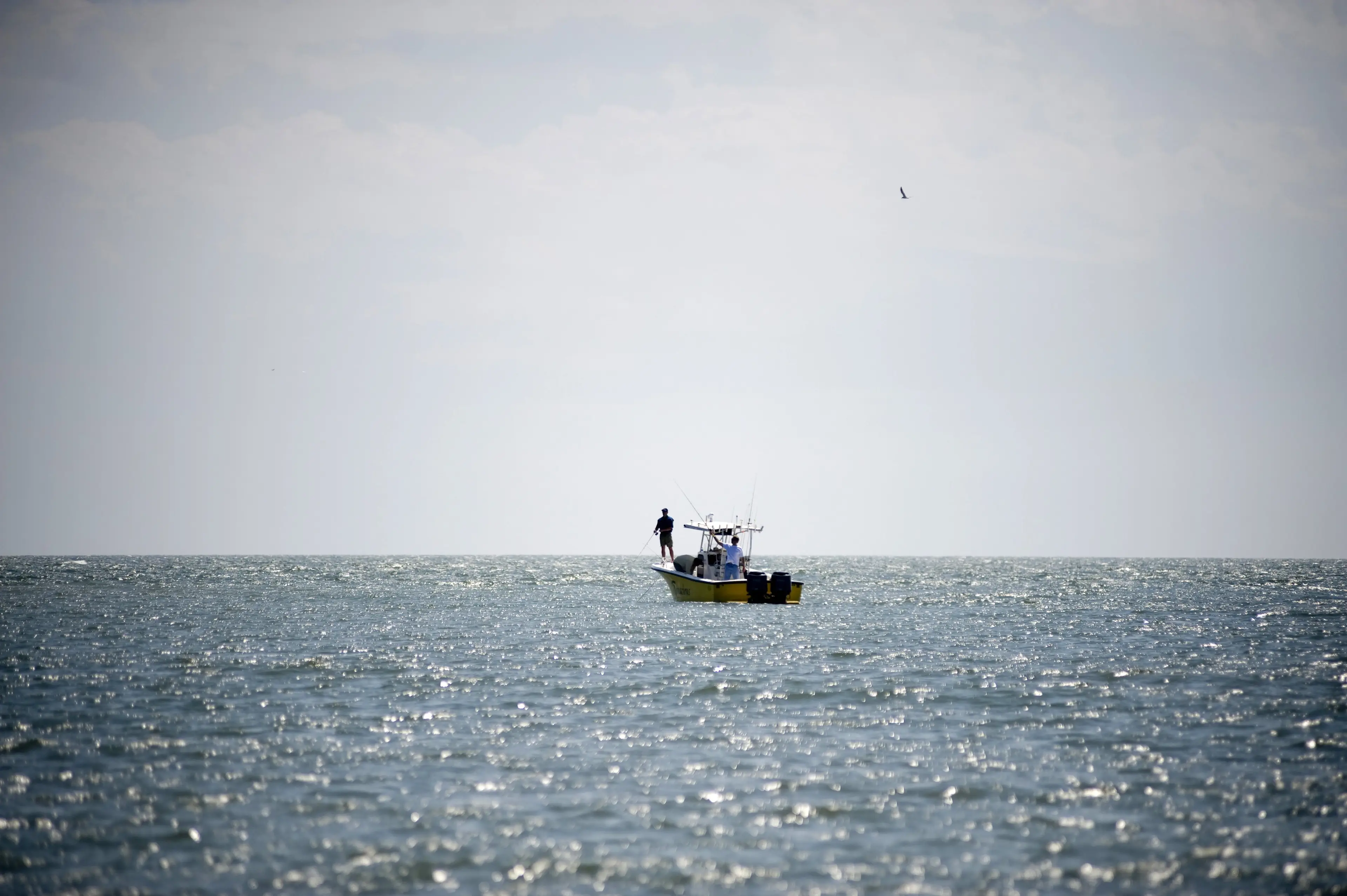
“Everything will go out on your boat, all your electronics,” Robin told WWL-TV. “Like as if you were in the Bermuda Triangle. That’s exactly what we got here.”
Back in 2011 local paper The Advocate spoke with archaeology professor Rob Mann, who suggested a slightly more recent explanation.
This was that the granite deposits are the result of attempts to form an artificial reef in the 1940s.
Reefs can be formed artificially by dropping stones onto the sea floor or deliberately sinking vessels, and can be created to draw in wildlife for fishing.
Speaking at the time, Mann said: "I think simply searching underwater at this point won't give us any more answers.
"When the historical archive work is done, looking at records and newspapers, that's when we will know what it is."
 Kit Roberts