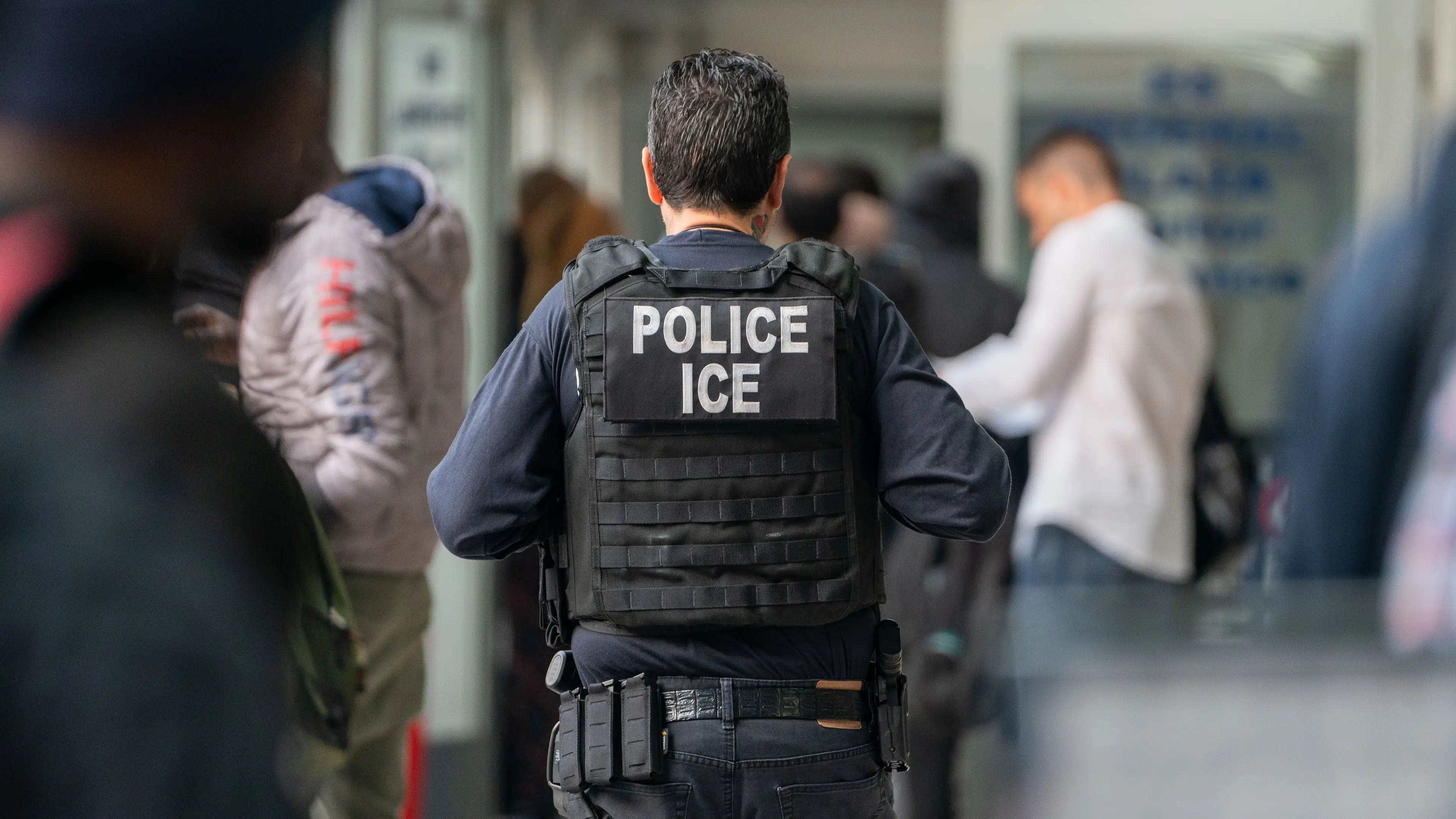
ICE to equip every field officer with body cameras but there’s a catch when it comes to footage

Body cameras are finally coming to every ICE field officer, with devices expected to be active across the agency by the end of next month.
The announcement, first reported by the Associated Press on Friday, August 8, follows growing public pressure after multiple deadly encounters between agents and civilians this year.
But buried within the rollout is a policy detail that's raising eyebrows: ICE's director holds the power to sit on footage indefinitely if its release isn't judged to serve the agency's own interests.
Critics say that clause could gut the very transparency the cameras are supposed to deliver.
Advert
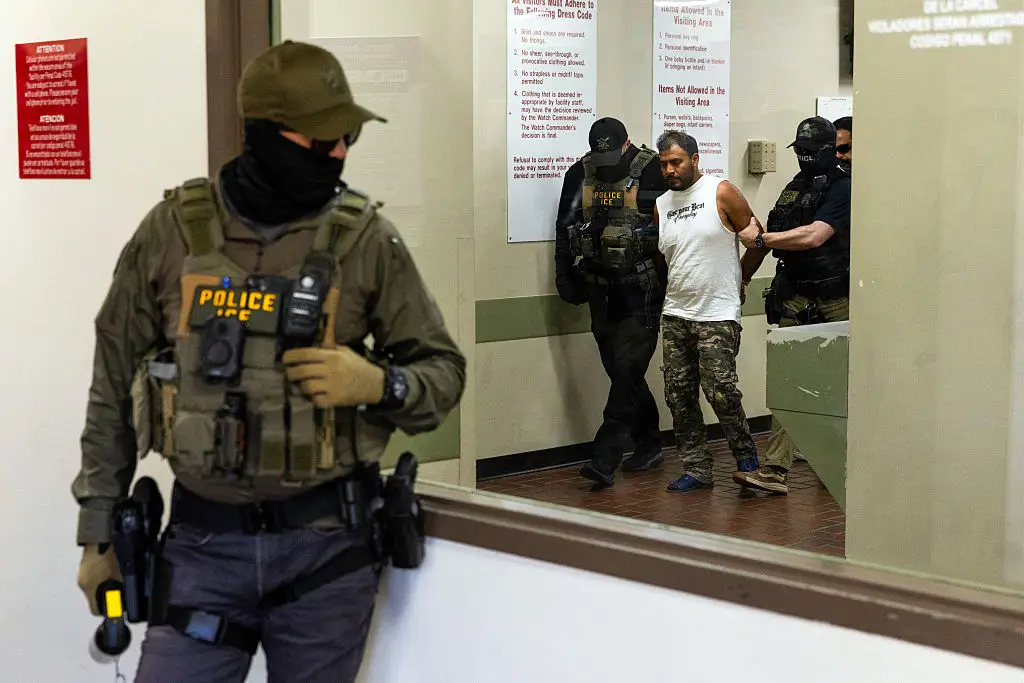
Why is ICE introducing body cameras now?
A directive requiring officers to wear cameras was actually issued back in February 2025, but the plan stalled when funding got tangled up in this year's partial government shutdown.
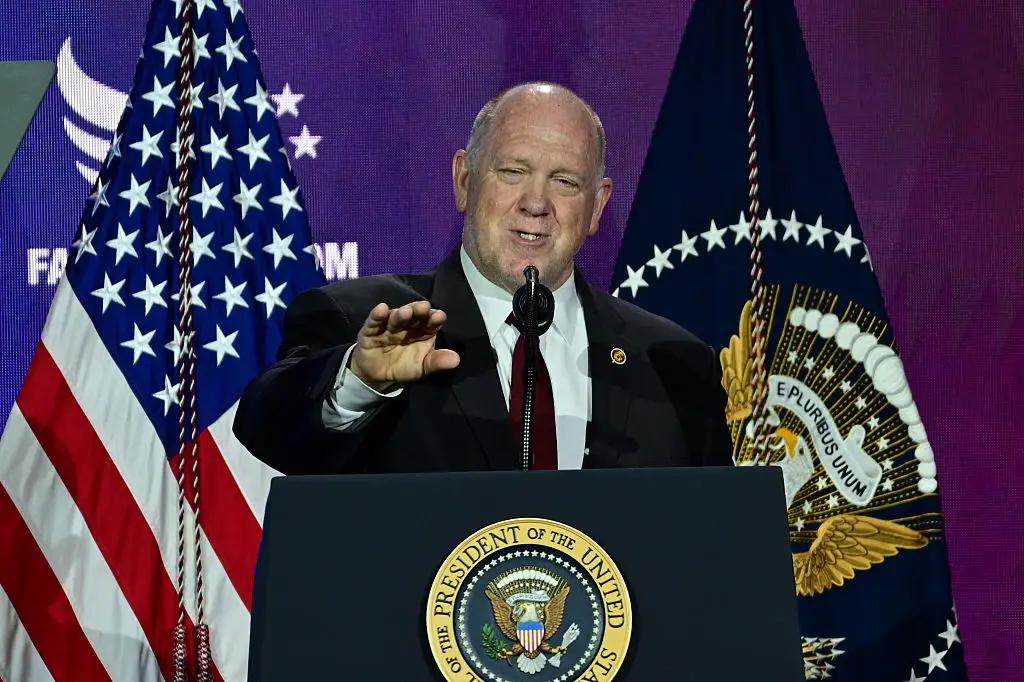
Border czar Tom Homan confirmed the delay, telling reporters last month that officers would now be required to have at least one camera rolling during vehicle stops.
Last month alone, ICE agents shot and killed two men, one in Texas, one in Maine, in circumstances that mirrored a fatal shooting during a traffic stop in Illinois the previous September. In all three cases, no officer present was wearing a camera.
Acting ICE director David Venturella has framed the rollout as a step toward greater accountability, saying the goal is to build public trust in the agency's conduct.
What happens to footage after a shooting or serious injury?
Rather than guaranteeing release, the policy sets up a review process: after any shooting or serious use-of-force incident, a panel of senior ICE officials and lawyers examines the footage and makes a recommendation on whether it should go public.
The final call still rests with the director, who can block or delay release indefinitely if they decide 'specific and compelling circumstances' justify it.
Sociology professor Christopher Schneider of Brandon University, who co-wrote Police Body-Worn Cameras: Media and the New Discourse of Police Reform, called the arrangement an unusually blunt admission of intent. He argued that they could withhold all negative videos while only releasing footage that would show the police in a good light.
He told the Guardian: "In some ways, ICE is saying the quiet part out loud," he said. "Body-worn cameras are being used as contemporary image-work tools to present the police to the public in the most favorable way possible."
A pilot version of the camera program was reportedly stalled last year, with funding cut, according to earlier reporting. And it was civilian cellphone footage, not ICE's own cameras, that let families of Renee Good and Alex Pretti, two protesters killed during separate January incidents in Minneapolis, push back against the agency's official version of events.
Homan, appearing on Fox & Friends last month, defended the technology as a net positive for officers.
"They exonerate more law enforcement than they convict, and I want officers to wear body cameras because I want the American people to see what the officers saw when they took that action," he said.
UNILAD has contacted ICE for comment.
 Thomas Bamford