White House breaks silence following mass FAA flight grounding with cryptic statement

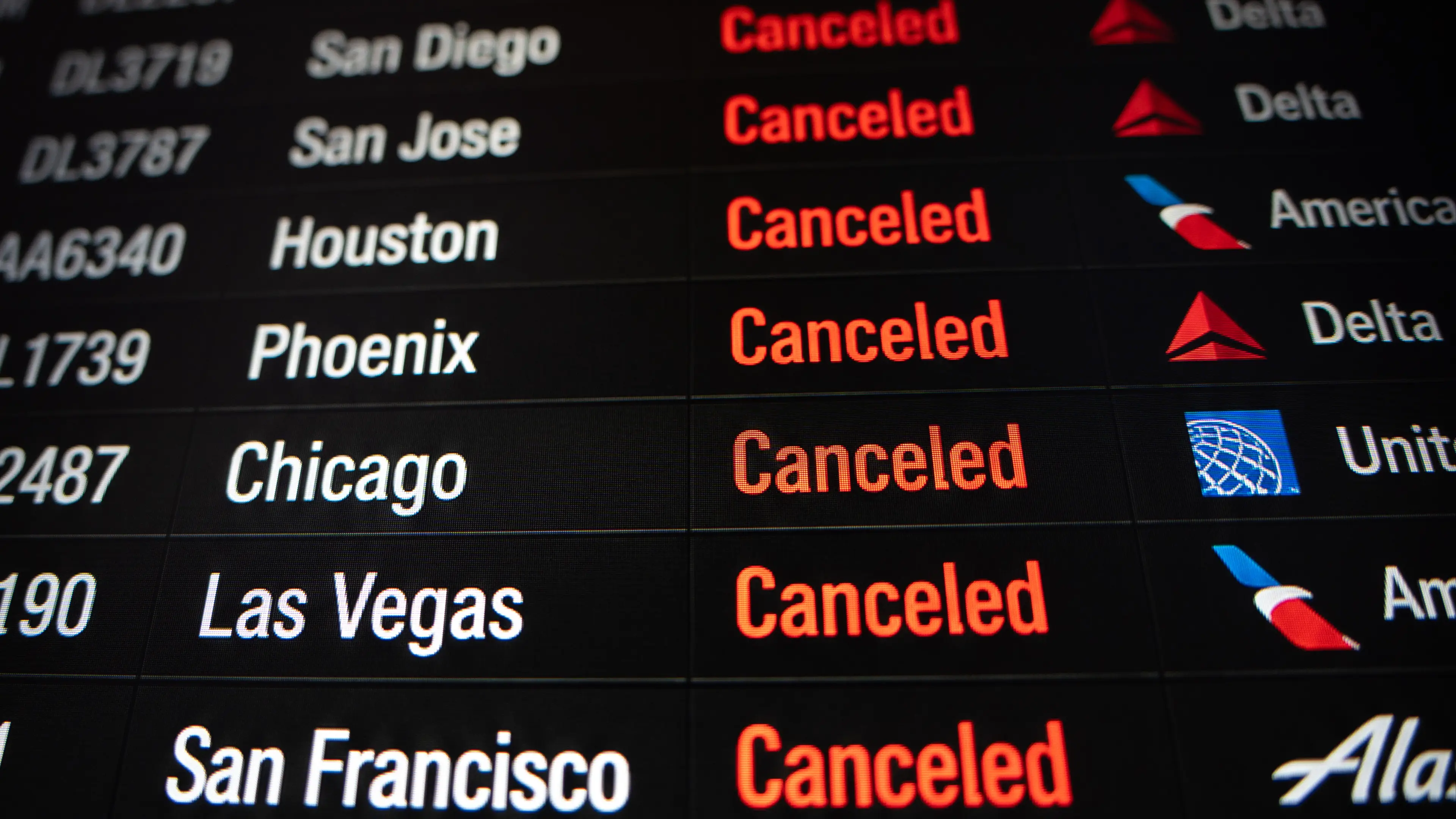
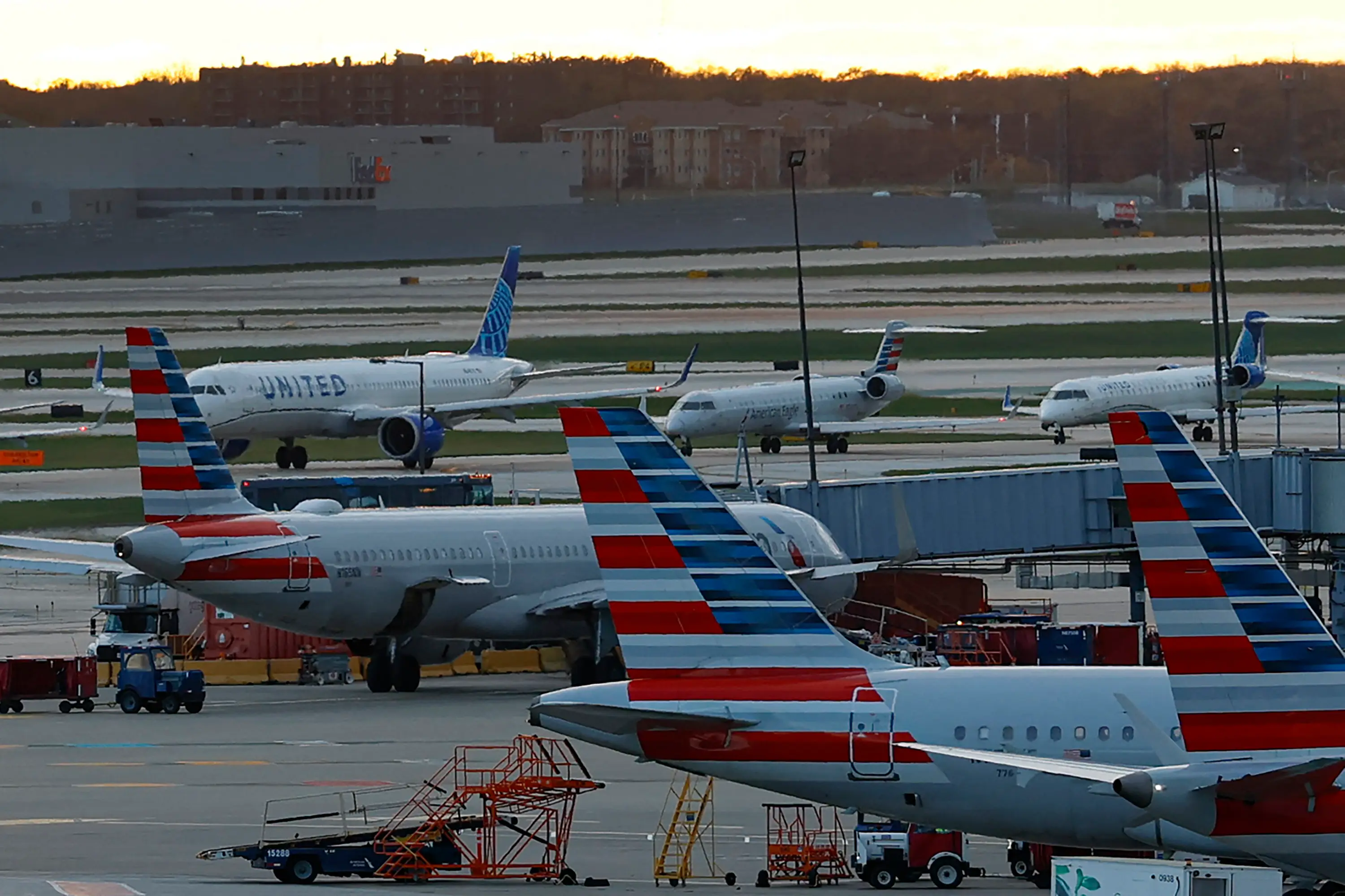
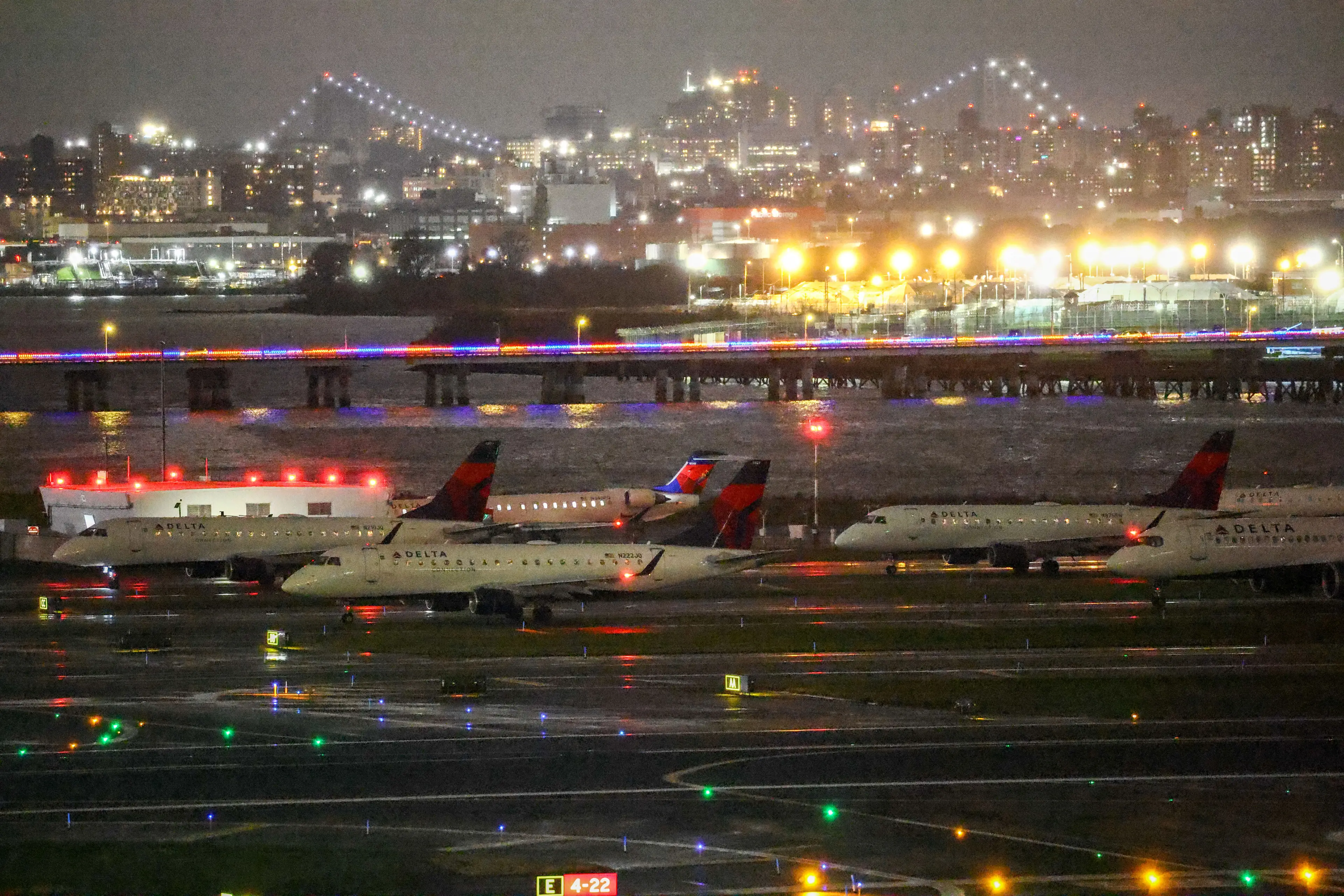
Thousands of flights were affected by a nationwide ground stop after a major failure involving America's air traffic control system, with officials now revealing what went wrong.
The disruption was caused by ageing technology used by the Federal Aviation Administration (FAA), rather than evidence of a cyberattack, according to statements from the Department of Transportation.
Transportation Secretary Sean Duffy and Homeland Security Secretary Markwayne Mullin addressed the incident during a briefing, explaining that problems with radar and communications equipment prompted officials to halt flights as a precaution.
Duffy said the disruption began at 3:36pm, when instability was detected across radar and communications systems at air traffic control centres and terminal radar approach control (TRACON) facilities around the country.
Advert
At the time, more than 3,500 aircraft were in the air. Officials subsequently worked to bring planes down safely using established procedures for dealing with such incidents.
Duffy said fewer than 400 aircraft remained in the airspace when he last checked, stressing that the decision to stop flights was made to protect passengers.
Importantly, he clarified that the FAA had not completely lost its radar or telecommunications capabilities, but the instability was enough to warrant the nationwide ground stop.
What caused the nationwide FAA ground stop?
The incident has renewed attention on the age of America's air traffic control infrastructure, with Duffy explaining that some of the technology dates back to the 1980s.
Speaking about the equipment responsible for the disruption, he said the system still relies on older telecommunications technology, including copper lines, alongside ageing switches and routers.
According to the secretary, those components became overloaded with data, resulting in the instability that forced officials to take action.
He also pointed out that newer equipment installed as part of ongoing improvements had continued working during the incident.
Duffy said some older switches had already been replaced with newer internet protocol (IP) switches, which did not experience the same failure.
Meanwhile, Mullin addressed speculation that the incident could have been caused by malicious interference.
He said officials had seen 'zero evidence' of a cyberattack or an artificial intelligence-related attack, adding that the failure appeared to be mechanically driven, although investigations were continuing.
How much money does the FAA need to replace its air traffic control system?
The incident has also intensified calls for Congress to provide funding for a complete overhaul of the country's air traffic control network.
Duffy said President Donald Trump had already secured $12.5 billion through the One Big Beautiful Bill, which is being used to begin replacing outdated infrastructure.
However, he argued that the money would not be enough to complete the project and called for an additional $50 billion in emergency funding.
He described the situation as a national emergency and urged lawmakers from both parties to support the investment.
Mullin also warned that the condition of the infrastructure represented a national security risk, arguing that years of delays in upgrading the system had left significant vulnerabilities.
Duffy acknowledged that replacing the network would not happen overnight, but said work was already underway.
He added that the administration wanted Congress to provide the resources needed to build a completely new system, rather than continue making smaller repairs to ageing equipment.
Topics: US News
 Thomas Bamford