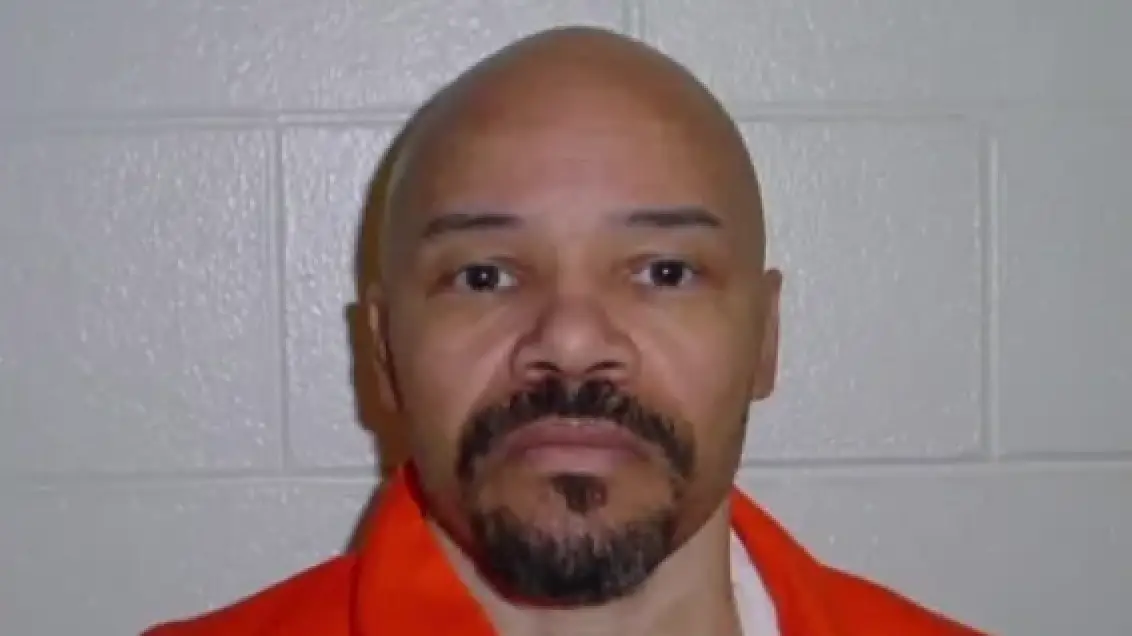
Man on death row for decades is released after newly analyzed DNA evidence emerges

A 71-year-old man who has spent over 40 years on death row has been released on bail following new analysis of DNA evidence.
On February 27 1985, Eva Olesen, the aunt of a police chief, was killed, stabbed in the back, abdomen and neck, and then shot in the back of her head at her home in Provo, Utah.
Douglas Stewart Carter was later arrested, accused by authorities of killing Olesen during a robbery.
While there was no physical evidence linking him to the scene, a jury convicted him off the back of the testimony of two witnesses who said they'd heard him boasting about committing the crime. Carter also confessed.
Advert
The two witnesses later changed their accounts. And Carter later said he was coerced into giving a confession by police, who he alleged threatened him too.
Nevertheless, Carter was convicted and sentenced to death. And a 1992 retrial also saw him sentenced to death again.
Carter's lawyers submitted multiple appeals across the decades he spent on death row, but they were all denied.
However, following the Utah Supreme Court ordering a new trial, alongside new analysis ruling him out of two DNA samples, Carter has since been released on bail.
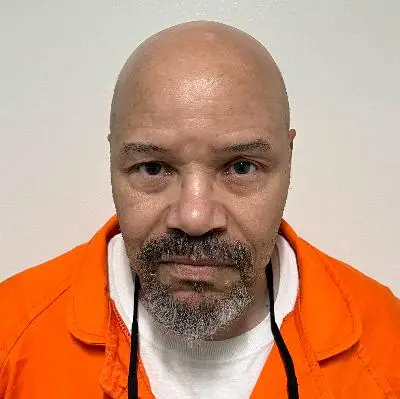
The new DNA analysis
Earlier this month, new DNA analysis took place which looked more closely at blood found on a doorknob at Olesen's home.
It also investigated in more detail the genetic material which was recovered from the handle of the knife used in Olesen's murder.
The analysis revealed that Carter could not be a possible match for either.
It follows the order for a new trial citing 'multiple instances of international misconduct' by investigators, as quoted by Sky News.

What else led up to Utah Supreme Court's order for a new trial
In 2011, the two witnesses from Carter's original trial were tracked down in Mexico.
They claimed they'd been paid by police to lie in court, alongside being threatened for their family to be deported should they not comply and give testimony against Carter.
Carter's lawyers also said there were reports of a white man seen fleeing the crime scene.
They argued that other suspects were not properly looked into either, including Olesen's husband.
Carter's lawyers will use such evidence, alongside the new DNA analysis, in his upcoming trial.
But what exactly is set to happen to Carter now?
What could happen to Douglas Stewart Carter now?
Well, the new DNA evidence and the fact he's been released on bail - wearing a GPS monitor - doesn't mean Carter has been cleared of the crime in the eyes of the law.
The new trial will still debate whether or not he killed Olesen and a jury could still find him guilty.
Olesen's family have spoken out in 'serious concern', her daughter-in-law, Theresa, arguing the new DNA analysis 'doesn't mean he wasn't there,' and reflecting on the family's hopes for a 'concrete match'.
She noted: "We just want justice for Eva. And if he had any part of it we want that to be known."
Utah County prosecutor Erwin Petilos reviewed Carter's bail as 'necessary and fair' and defence attorney Neal Hamilton highlighted: "If the state of Utah had their way, he would have been executed 15, 20 years ago before we discovered the misconduct."
He noted how much the release will be for Carter who is yet to put his 'feet on the grass' for '40 years'.
The state will now look at the remaining evidence as Carter and Olesen await news of the new trial.
Topics: US News, True crime, Utah, Death Row
 Poppy Bilderbeck