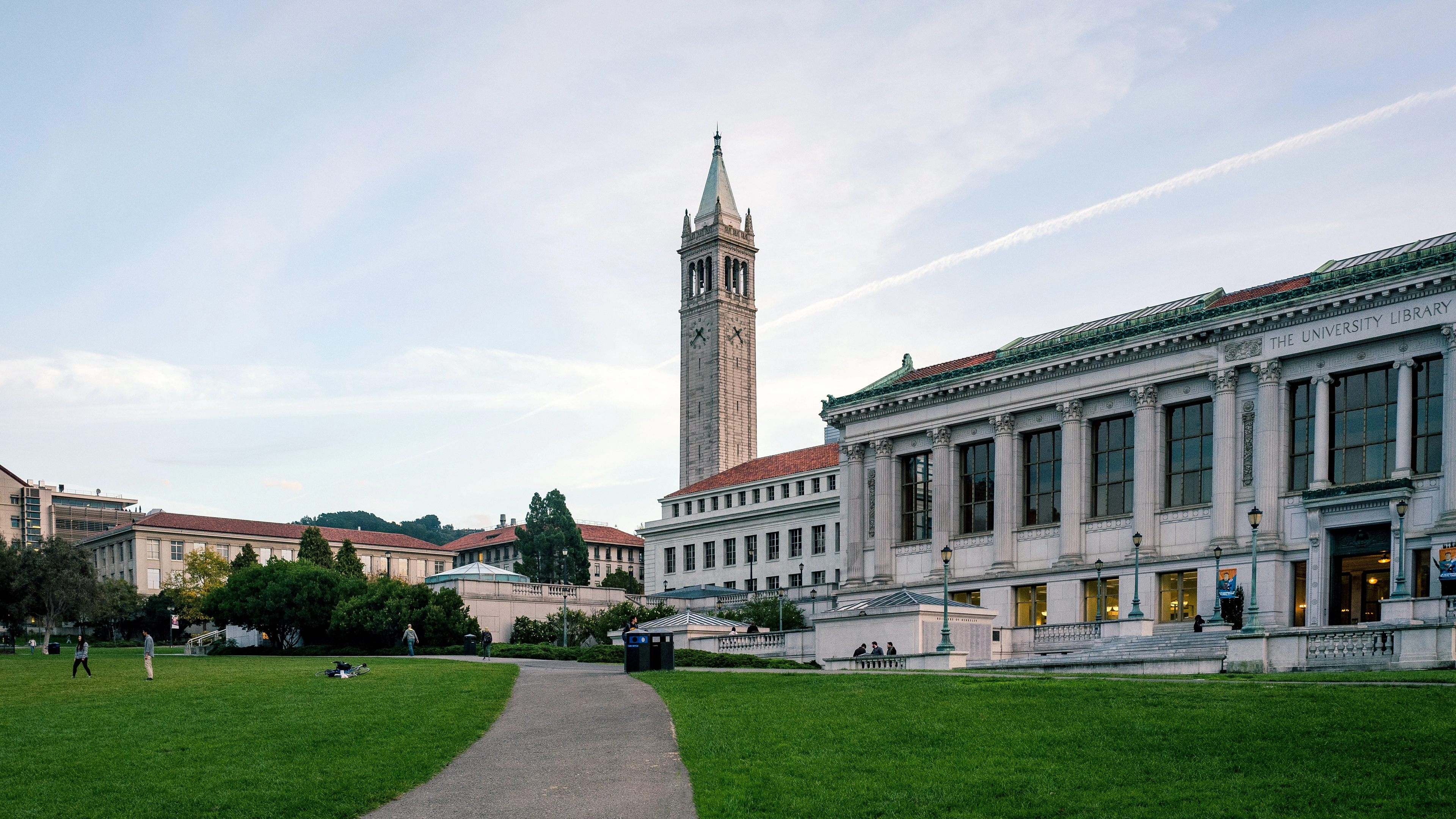
Professors at top US college forced to change coursework over students struggling to read

Professors working at one of the top universities in the US have said that they have had to adjust the assignments they are setting due to students struggling to keep up.
Humanities teachers at Berkeley in California have shared that the reading expectations for their classes have been reduced.
This has included going down from assigning entire books to only assigning excerpts from books.
Carlos Noreña is a history professor at the prestigious US college, and explained to the New York Post that previously students would be assigned roughly 100 pages of reading per week, with the expectation being that they would complete most of this.
Advert
However, Noreña explained that this will now be around 35 pages per week for a course that he is planning to teach in the fall.
Noreña teaches ancient history, and joined the faculty back in 2005.

He described a 'crisis point', expressing concern that soon he will not be able to teach the discipline properly at all.
“We are now reaching a crisis point where if the number (of pages) goes down further, it’s unclear to me whether my discipline of history can really be taught,” said Noreña.
And Noreña is not the only professor who says that they have had to change the way they are approaching their course.
Mark Brilliant is an associate professor of history and American studies, and explained that there is another factor at work.
“Part of this is to spare students the cost of purchasing books," he said.
However, he said that there is also an increase in 'complaints' about the reading on a course.

"Part of it is also acquiescing to my sense of — and complaints about — the amount of reading assigned," he said.
In a concerning observation, he added: "Those complaints, curiously, haven’t gone away as I’ve shrunk the number of pages assigned."
However, not all professors are acquiescing to these demands, with english professor Grace Lavery saying that she has not reduced the reading requirements, pointing out: “The reason is that the Dickens novels I teach are long and difficult."
It comes amid rising concern about the use of AI on campuses as well, whether it's using a large language model to generate essays, or getting AI to summarize a book rather than reading it in full.
This gives only a partial view of the text, and means that someone doesn't full grasp a work, and in some cases the summary may not even accurately reflect the book.
Topics: US News, Books, Artificial Intelligence, Education
 Kit Roberts