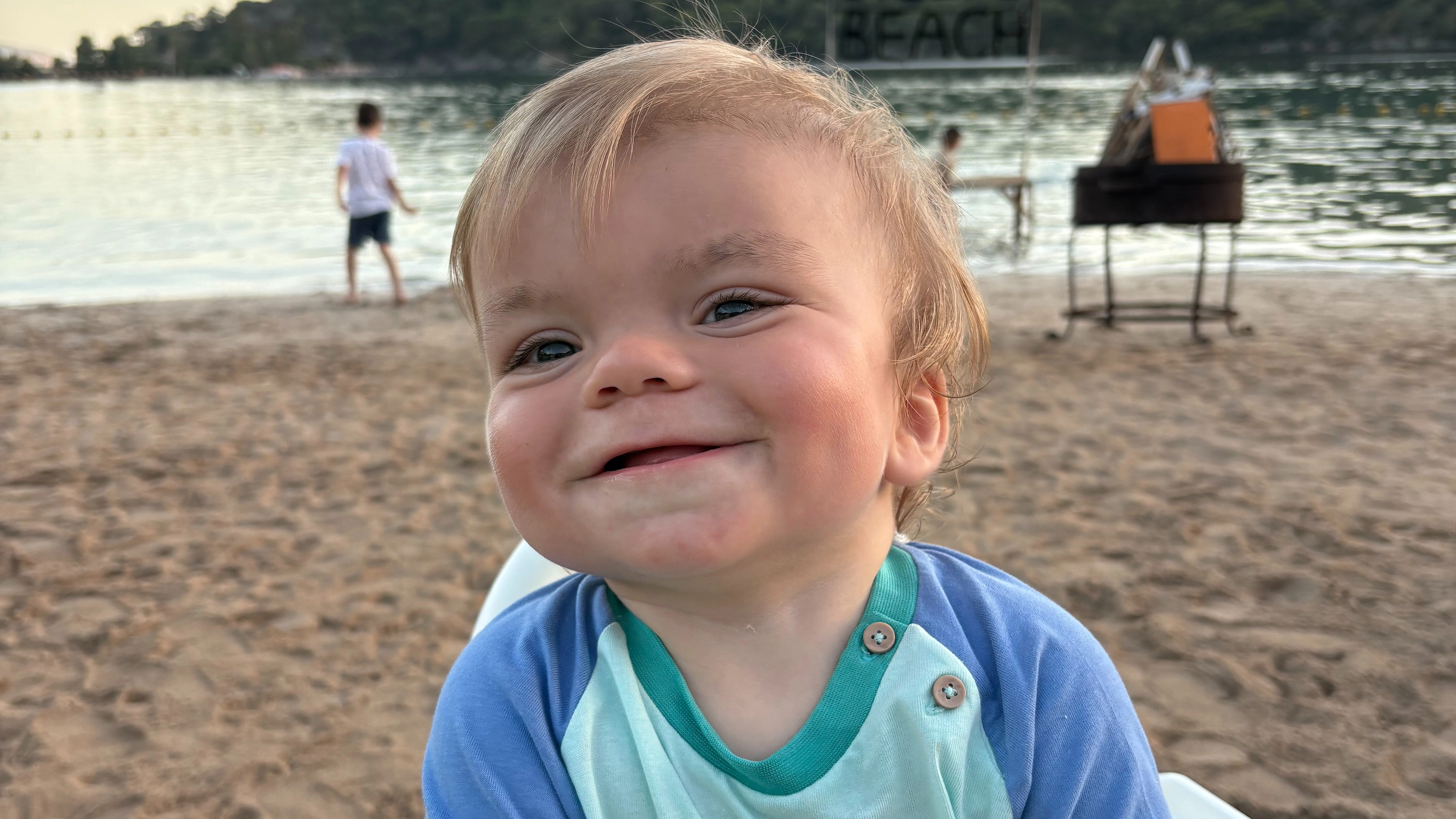
Mom recalls moment she knew son had 'childhood dementia' as she races to raise $2.6m for life-saving treatment

A mother is fighting to get life-saving treatment for her son who was diagnosed with a rare, fatal condition earlier this year.
Beth Gordon's little boy Kole was seemingly like every other baby when he was born via C-section in July 2024. He had a brief stint in NICU for what doctors and nurses said were minor complications linked to him being delivered via C-section, but ultimately went home to be with his parents and older siblings.
But sadly, Kole continued to face health issues. When he was around six weeks old, Beth noticed he wasn't reaching the typical milestones children his age are supposed to.
"I remember taking him to his six-week check when the doctors looked at his reflexes and stuff, and he lifted Kole's head off the bed and his head was still floppy," Beth told UNILAD. "I said, 'Oh, it's not meant to be like that is it?' but the doctor was like, 'He might just not have the neck muscles just yet. Don't worry about it.'"
Advert
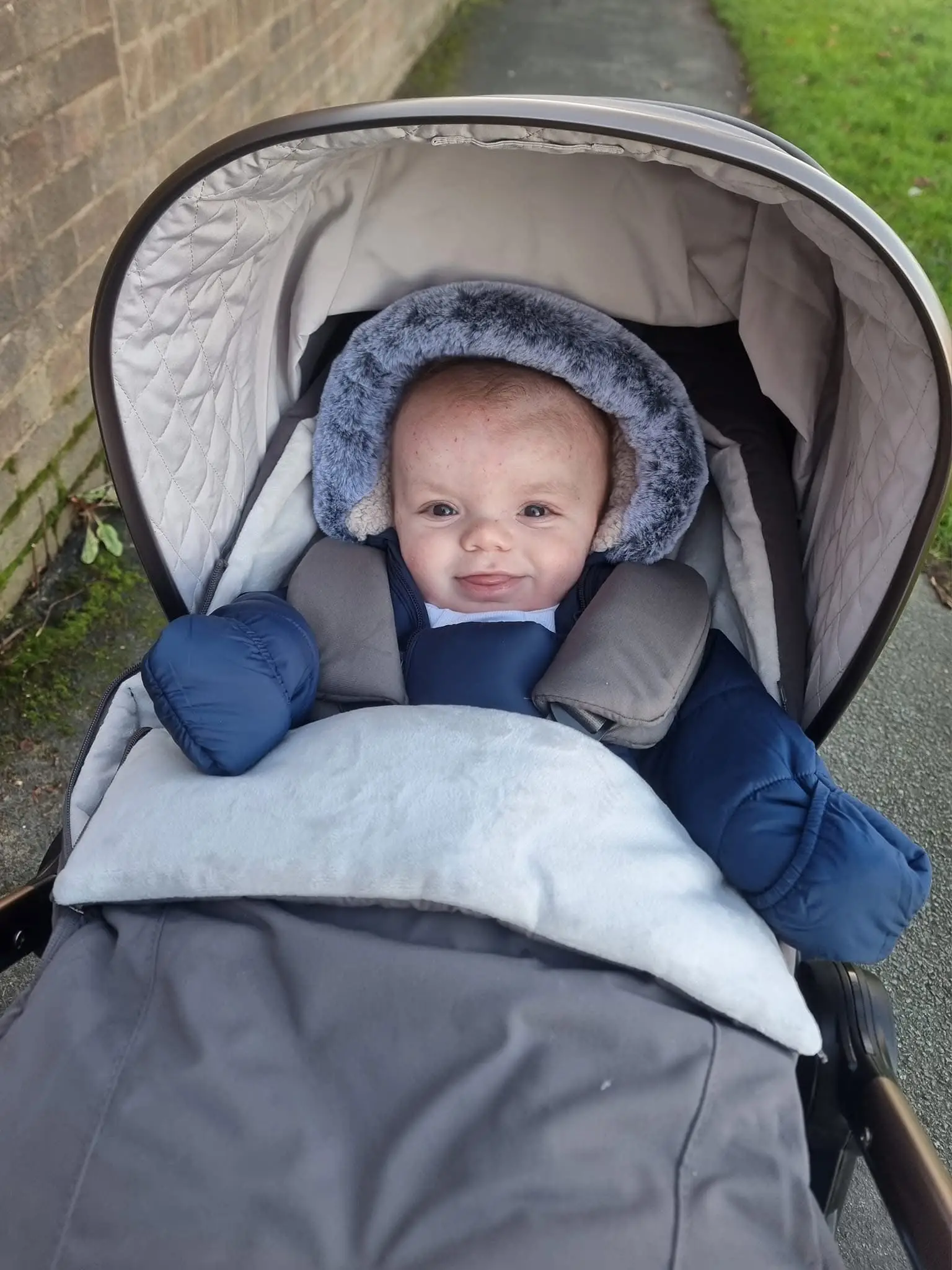
As time went on, Beth found that Kole's neck muscles weren't improving and she was still having to support her little boy's neck while winding him. They also noticed that Kole had developed a large head, but Beth initially thought her little boy would just grow into it. During one of his hospital trips, a nurse pointed this out.
Beth said to us: "Funnily enough, I had a really big head as a baby so we never really thought about it. He was just our little 'moon head'. That's what I got called and I thought it was quite cute."
But the nurse suggested Kole had an MRI. He was around six months old at the time and the youngster went on to be diagnosed with BESS (short for benign enlargement of the subarachnoid spaces). This is a harmless condition where extra cerebrospinal fluid collects in the spaces surrounding an infant's brain.
Beth was told it wasn't too much to worry about and that Kole's head would 'even out in size' by the time he was two.
'I remember ringing my mom and crying'
Kole's development continued to be delayed over the following months – for example, he didn't start walking until he was 19 months old – sparking Beth to continue to push for further tests for him. It was then suggested that he had some genetic testing.
It wasn't until one evening that Beth was scrolling TikTok that she came across a video of a child with Sanfilippo Syndrome.
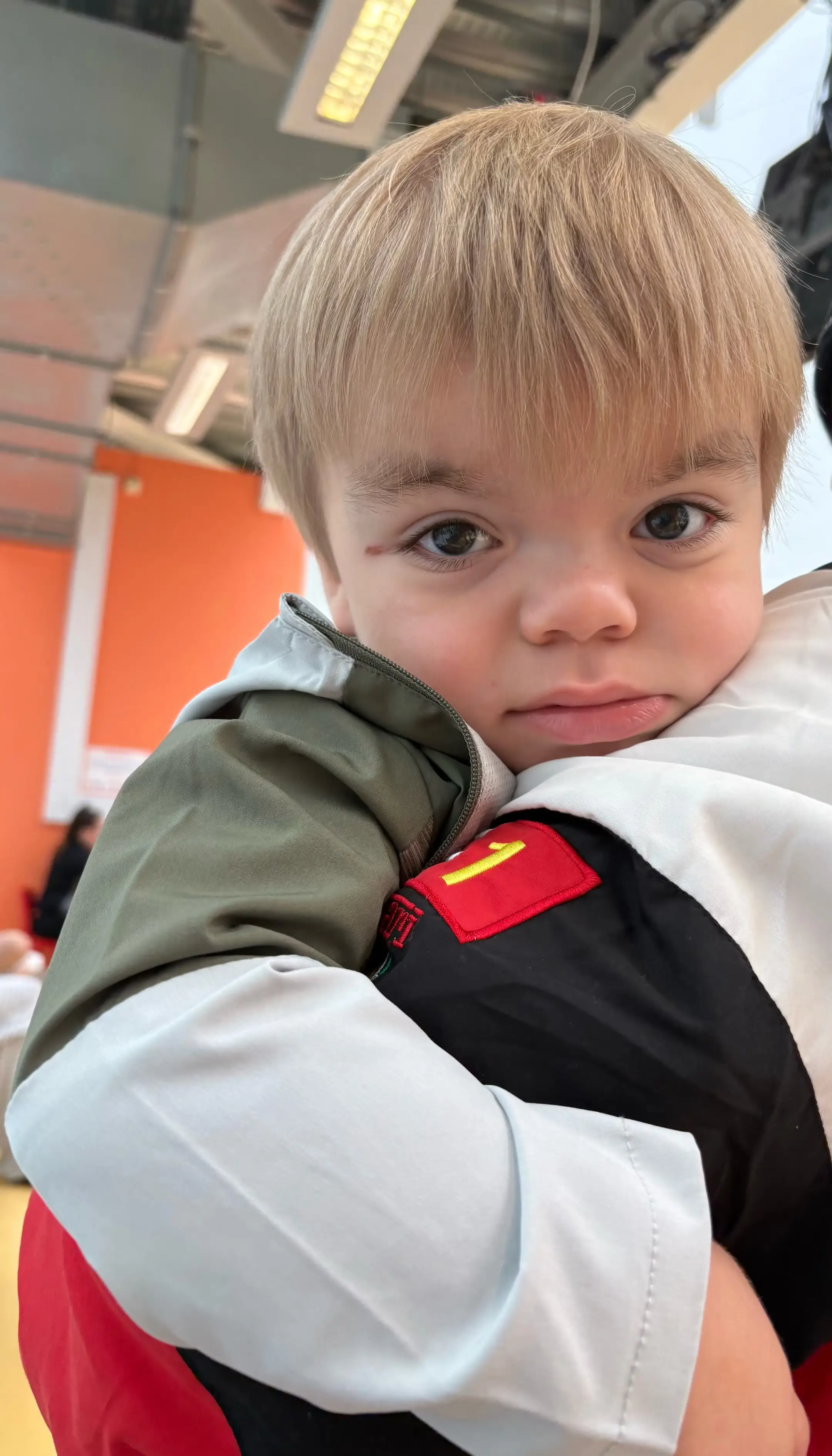
"There was a little girl from America that popped up and she had Sanfilippo Syndrome," Beth recalled. "I was like, 'That looks a lot like Kole'. She had a big head, the big bushy eyebrows, the same nose, the same mouth and everything."
"Everything just matched up," she went on. "I didn't know what Sanfilippo was, so I Googled it and saw what it was. I remember ringing my mom and crying, saying 'I know this is what my child has'."
According to Cleveland Clinic, symptoms of Sanfilippo Syndrome (which usually appear between the ages of one and four) include:
- Coarse facial features
- Prominent, broad eyebrows
- Excessive body hair (hirsutism) that doesn’t go away
- A head that’s larger than typical (macrocephaly)
- Sleep disturbances
- Respiratory problems, like ear and/or nasal congestion and breathing difficulties
- Colic-like episodes
- Frequent diarrhea
Some other symptoms of the condition that Kole has are hearing loss and speech delay.
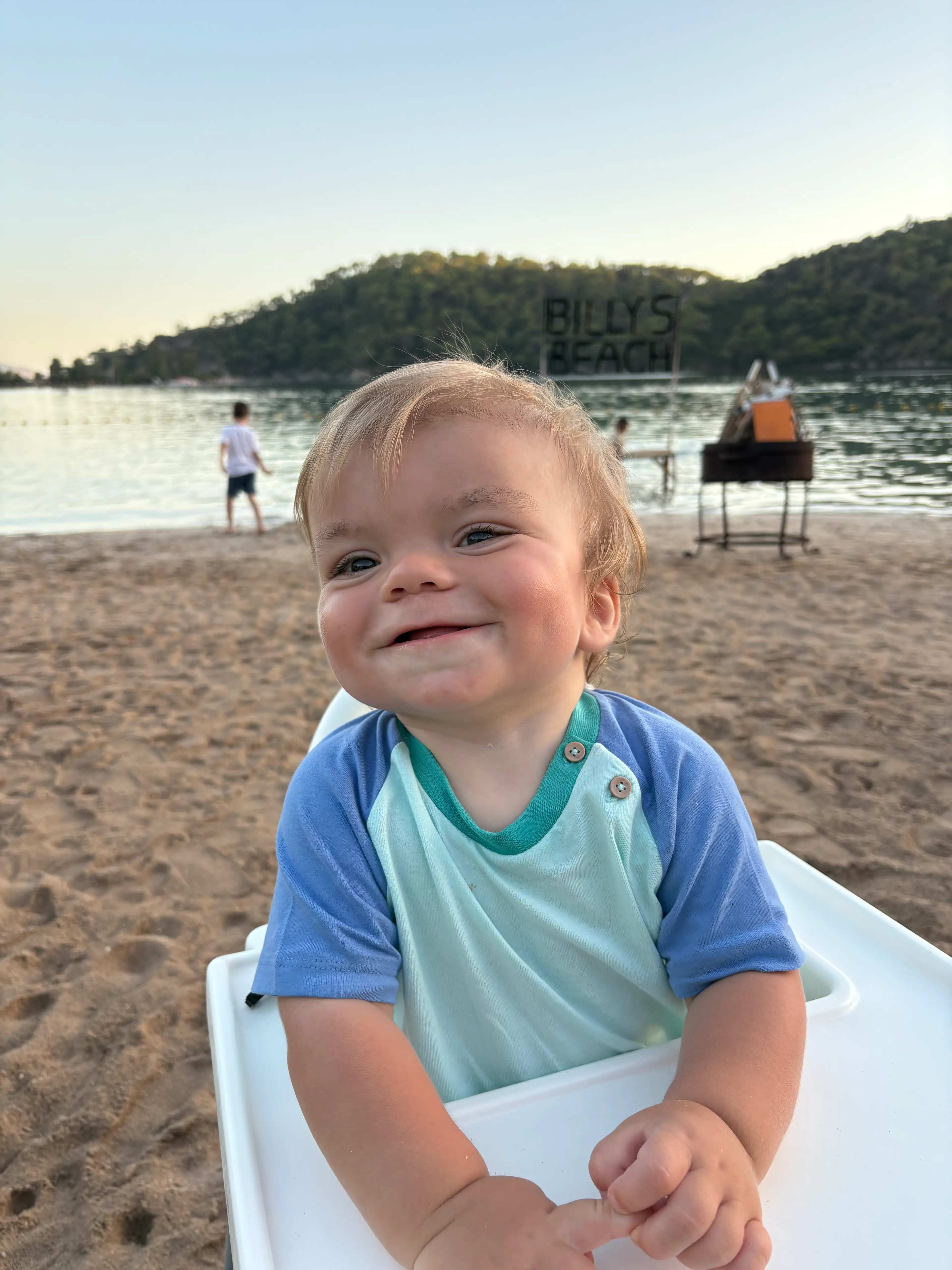
Not long after seeing the TikTok video, Beth discovered that she was right about Kole and he was diagnosed with type A Sanfilippo Syndrome. It's often referred to as 'childhood dementia' because the condition eventually makes a child forget everything they've learnt so far in life.
The Sanfilippo Children's Foundation explains: "Sanfilippo mostly affects the brain and is one of a group of conditions called 'childhood dementia'. Over time, brain cells fill up with waste that the body is unable to process.
"As the brain gets progressively damaged, children experience severe hyperactivity, disordered sleep, loss of speech, cognitive decline, cardiac issues, seizures, loss of mobility, and finally death, usually before adulthood."
Possible $3.95 million price tag for treatment
Currently, there is no treatment available in the UK (where Kole and his family live) for Sanfilippo Syndrome, but there is a newly-approved treatment in America. In September, the Food and Drug Administration (FDA) announced that it had approved an innovative gene therapy called Fayuvi. In a news release, Acting FDA Commissioner Kyle Diamantas said that Fayuvi 'holds tremendous promise for rare diseases like Sanfilippo syndrome type A'.
The FDA also said of the groundbreaking treatment: "Fayuvi is a one-time, intravenous (given directly into a vein) gene therapy that uses a modified, non-infectious virus called an adeno-associated virus serotype 9 (AAV9) to deliver a working copy of the SGSH gene into the patient’s cells.
"This enables the body’s cells to produce sulfamidase — the enzyme that is missing or deficient in MPS IIIA — allowing heparan sulfate to be properly broken down in lysosomes and reducing its harmful buildup throughout the body and brain."
Since this treatment isn't available in the UK yet, Beth is fundraising to get Kole access to it. Reuters reported last month that Fayuvi's developer, Ultragenyx Pharmaceutical, had set the price tag at an eye-watering $3.95 million.
Kole's family hasn't been given an official figure that they'll need to pay for his treatment, but they're hoping to raise £2 million (around $2.6 million) towards it in the meantime. A GoFundMe has been set up for Kole, which you can donate to here.
Kole sadly doesn't have the luxury of time when it comes to receiving his treatment. Children with Sanfilippo will often start to regress between the ages of three and six. However, if Kole gets the treatment before then, his body and brain may not deteriorate.
'He'll be lucky if it makes it to his 15th birthday'
According to the FDA, evaluations found that Fayuvi-treated patients aged between two and five 'maintained or improved cognitive function compared to an untreated historical control cohort'. It called this 'a meaningful divergence from the expected natural disease course of plateau and decline during this critical developmental window'.
Discussing where Kole's currently at, Beth told UNILAD: "If we stop this disease within the next year, Kole won't have regressed. He hasn't lost any abilities yet. He's got Global Development Delay (GDD), so he's coming on really slowly, but he's learning new things every day."
"I know within the next year there will be a plateau," the worried mom went on. "And that's when the regression begins. Our argument is that if we can stop this disease dead in its tracks, Kole can go on to be on a good trajectory of continuing to learn new things."
Beth added that the NHS in England are currently looking into the treatment for Sanfilippo Syndrome, but fears that by the time it might be approved it'll be too late for Kole.
"Time is being taken away from him," Beth continued. "We've seen what he can do in two and a half years and how much he can learn."
If Kole doesn't get the treatment he has a 'mid-teen life expectancy', says Beth. "He'll be lucky if it makes it to his 15th birthday," she added. "But if we get him the treatment, he'll go on to live a whole, happy life."
You can keep up to date with Kole's story on his 'Kole's Fight' Facebook and TikTok pages.
 Niamh Shackleton