Overlooked 'American Covid' eye symptom explained as brutal new strain on the rise

As 'American Covid' cases rise worldwide, many remain unaware of the lesser-known eye symptoms to look out for.
Covid has, unfortunately, been part of our lives for several years now, and most of us are familiar with the tell-tale signs of the virus.
From a persistent cough and a high temperature to a sore throat, headaches and the loss of taste or smell, the symptoms have become all too recognisable since the pandemic first broke out in 2020.
But as the virus continues to circulate and new variants emerge, the symptoms people experience can also change.
Advert
While many of the signs remain similar to those seen in previous waves, there are other, less obvious symptoms that could be easy to overlook.
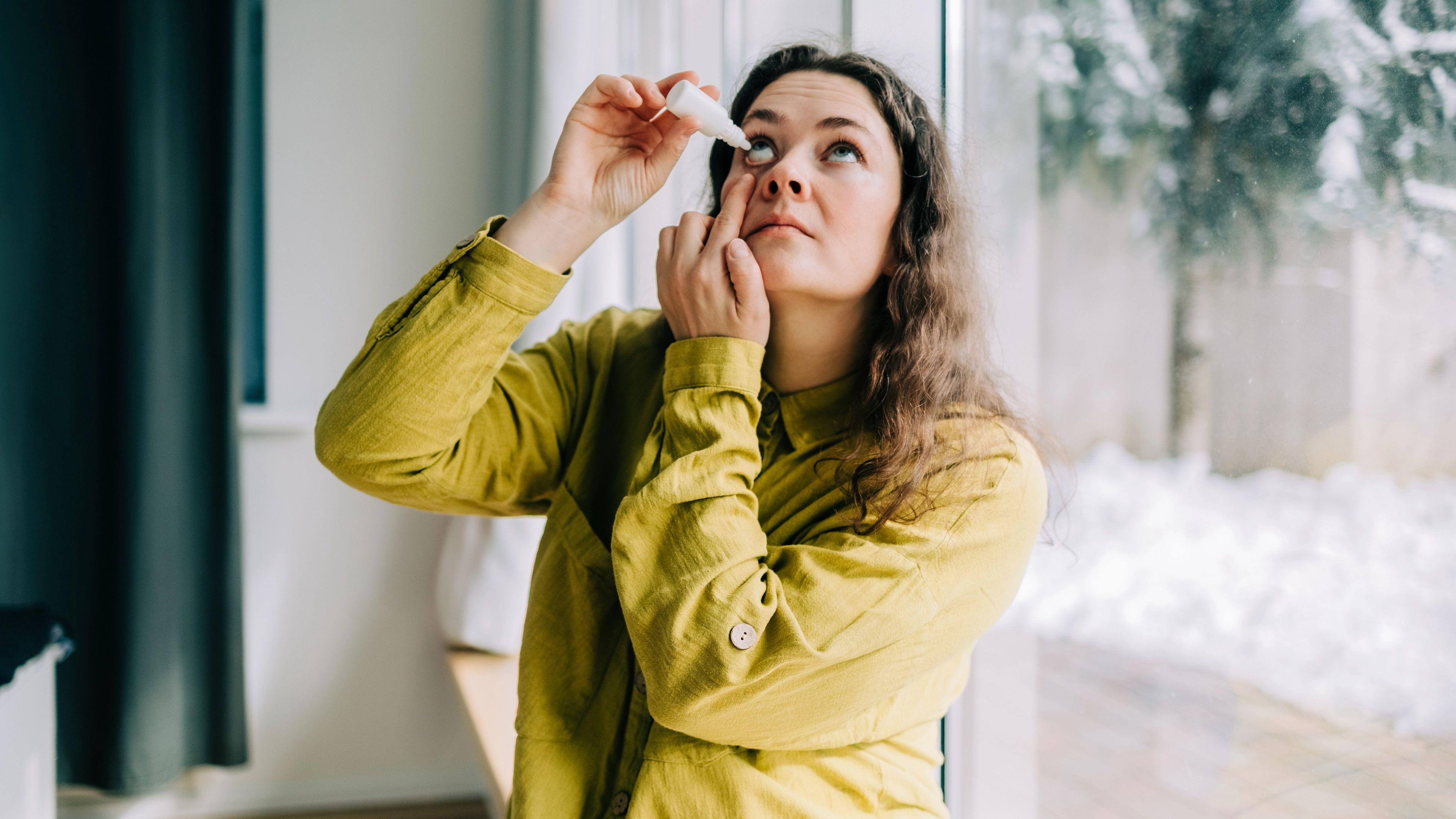
In particular, changes affecting the eyes, with symptoms such as irritation, redness and conjunctivitis potentially appearing alongside more familiar signs of infection.
The strain, known medically as XFG but dubbed widely as 'American Covid', has been known of since last year, but has now become dominant in several countries.

And speaking with the Mirror, pharmacist Noel Wicks, an adviser to GoldenEye, has warned: "The COVID-19 virus can enter the body through our eyes where it may cause symptoms."
He noted that research has found that conjunctivitis, which causes redness in the eyes, can affect people who test positive for Covid, with studies reporting rates ranging from 2 percent to more than 14 percent. And in some cases, it can occur even when people have no other symptoms of the virus.
The medical expert added: "In fact, conjunctivitis can be the first and/or the only symptom of COVID. A scientific review involving 20 studies and 3,383 people confirmed conjunctivitis as the most common COVID-related eye condition."

Wicks claims that 'when a droplet containing the virus lands on the surface of the eye, the virus likely travels from the eye surface into the internal cavity of the eye reaching the retina at the back of the eye'.
And there are some particularly early signs to be aware of.
"Early symptoms of conjunctivitis (red eye) include the white of the eye turning pink, sore and inflamed eyelids, gritty itchy eyes and a white or yellow discharge coming from the eyes," he said, further warning: "These symptoms need to be tackled very quickly."
A pharmacist can recommend suitable treatments for sore or irritated eyes which contain propamidine isethionate, Wicks notes, an antiseptic rather than an antibiotic, which helps prevent bacteria from multiplying and controls the bacteria responsible for infection.
Topics: Coronavirus, Health, US News
 Mia Williams