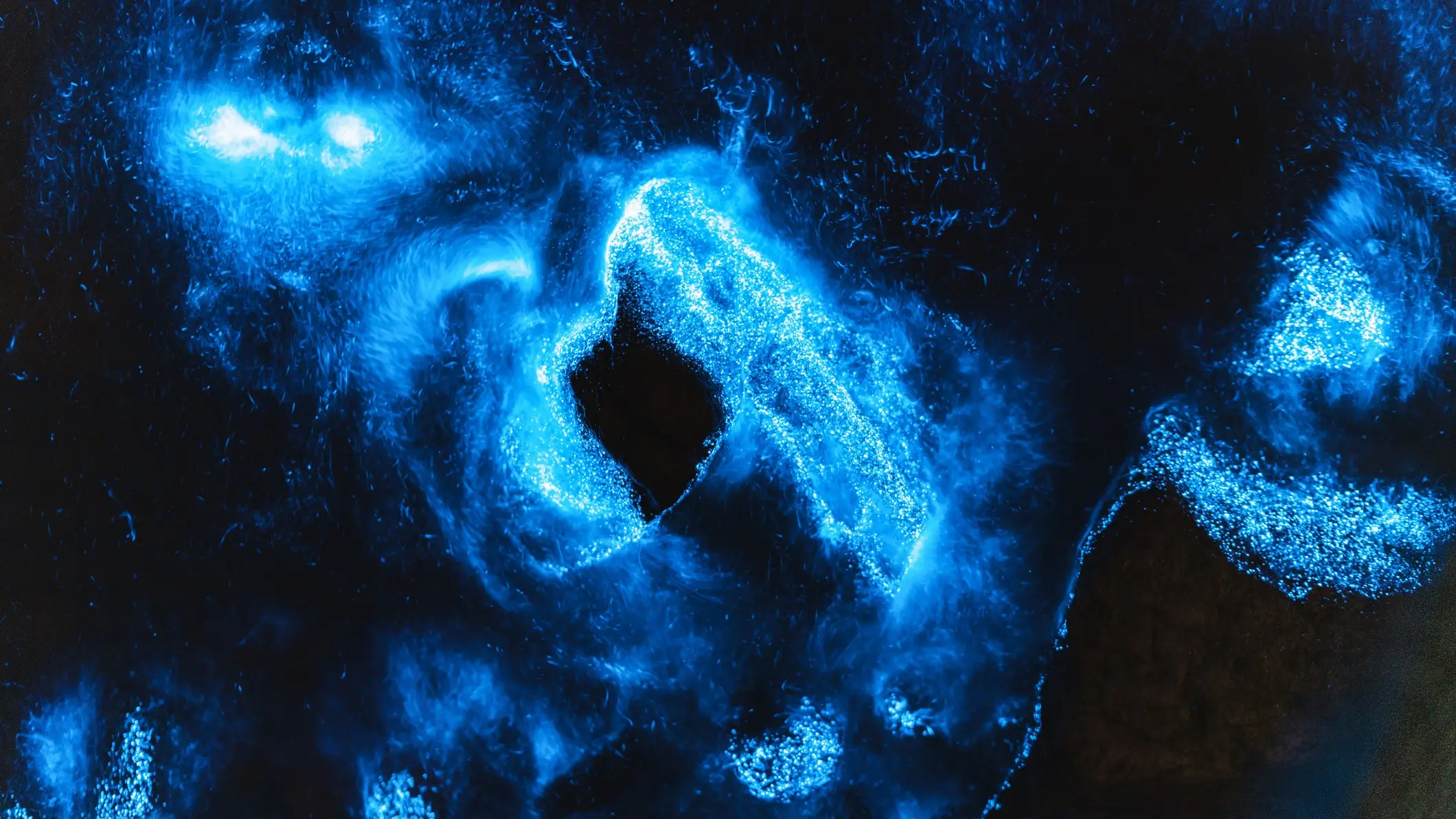
Maldives' Sea of Stars attraction explained after landing near-perfect Google rating but not actually existing

When scrolling for ideas about where you should go on your next vacation, you may have stumbled across images of a glowing blue ocean nicknamed the 'Sea of Stars'.
The spectacle looks exactly like a galaxy submerged beneath the waves, inspiring thousands of tourists to pack their bags and seek out the magical location.
It even has a pin on Google Maps, where reviews have described it as 'beautiful' and 'amazing' as the location has earned a 4.5-star rating.
But, there is a catch for anyone hoping to book a direct flight to this bucket-list attraction, as the highly sought-after Sea of Stars doesn't actually exist.
Advert
Yes, instead of being a permanent geographical spot you can search on your map, the glowing blue lights are an entirely natural and completely unpredictable phenomenon - meaning they are 100 percent real, just the actual location is somewhat spontaneous.
The display is completely mesmerizing and is actually caused by bioluminescent plankton bobbing around in the Indian Ocean, so you can't guarantee you will ever see it - despite many online believing the Sea of Stars is a fixed location in the Maldives.
Marine biologist Lauren Arthur, who worked in the Maldives for eight years, explained the science behind it to the BBC. She shared: "When people say they want to see the Sea of Stars in the Maldives, they are actually asking to see a chemical reaction - it's bioluminescent plankton."
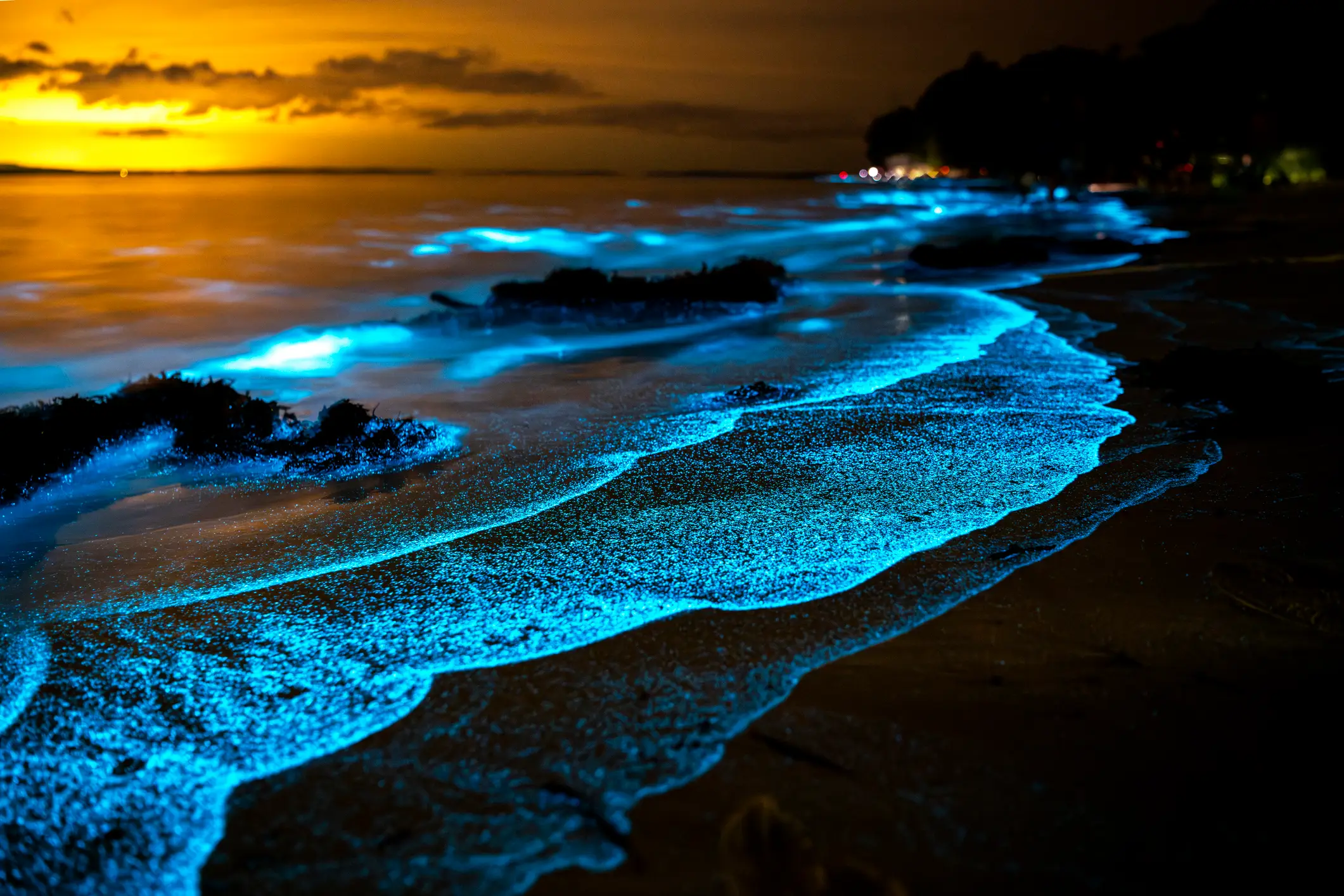
Arthur explained plankton is a collective term for microscopic organisms that simply float in ocean currents, and they only emit the florescent blue light when physically disturbed.
She added: "There's no one specific place to find bioluminescent plankton. It can be found anywhere in the Maldives, or even anywhere around the world where you get plankton, even the United Kingdom."
While you might not find a permanent attraction, visiting between April and October massively increases your chances as the weather pattern drives huge amounts of plankton.
"You may see it if you're lucky while you're sitting on the beach with a nice glass of Champagne, but luck is the key word," Arthur warned travelers.
"The best way to see it is to get into the water when it's thick with plankton and go night snorkeling. It's one of the most exciting things you can do."
She advised gathering a group in the dark water and turning off your flashlights: "The minute you turn them off, it's very eerie, but just start moving your arms and legs like crazy.
"You're disturbing the plankton that will emit light - whether that's being disturbed by a predator or even a human swimming. As soon as you disturb them, you're floating amongst the stars."
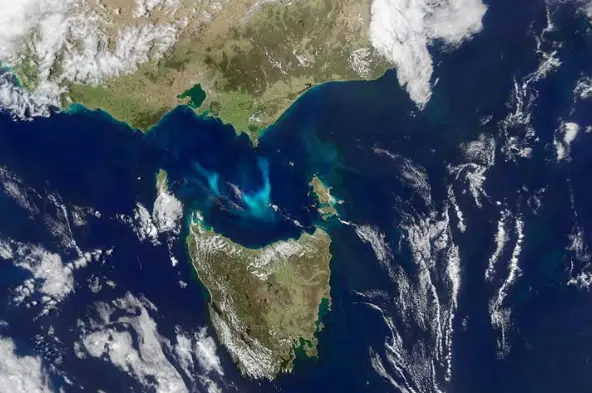
Incredibly, bioluminescent plankton is not the only thing that lights up our oceans from within.
Satellite footage from NASA has previously spotted a strange fluorescent glow blooming in the Great Australian Bight and Tasman Sea, with scientists confirming the bright glow is actually bioluminescence from phytoplankton - in other words, algae - that is in bloom.
Phytoplankton are fuelled from the deep ocean's rich nutrients, prompted by the remains of dead sea life that constantly sinks to the ocean floor to decompose, such as nitrogen and phosphorous.
When this nutrient-rich water reaches the top of the water, the light from the 'photic zone' can prompt the growth of the phytoplankton population that blooms and cause surface concentrations of chlorophyll-a, a type of green pigment involved in photosynthesis, hence its glow.
Every day is a school day!
 Joe Yates