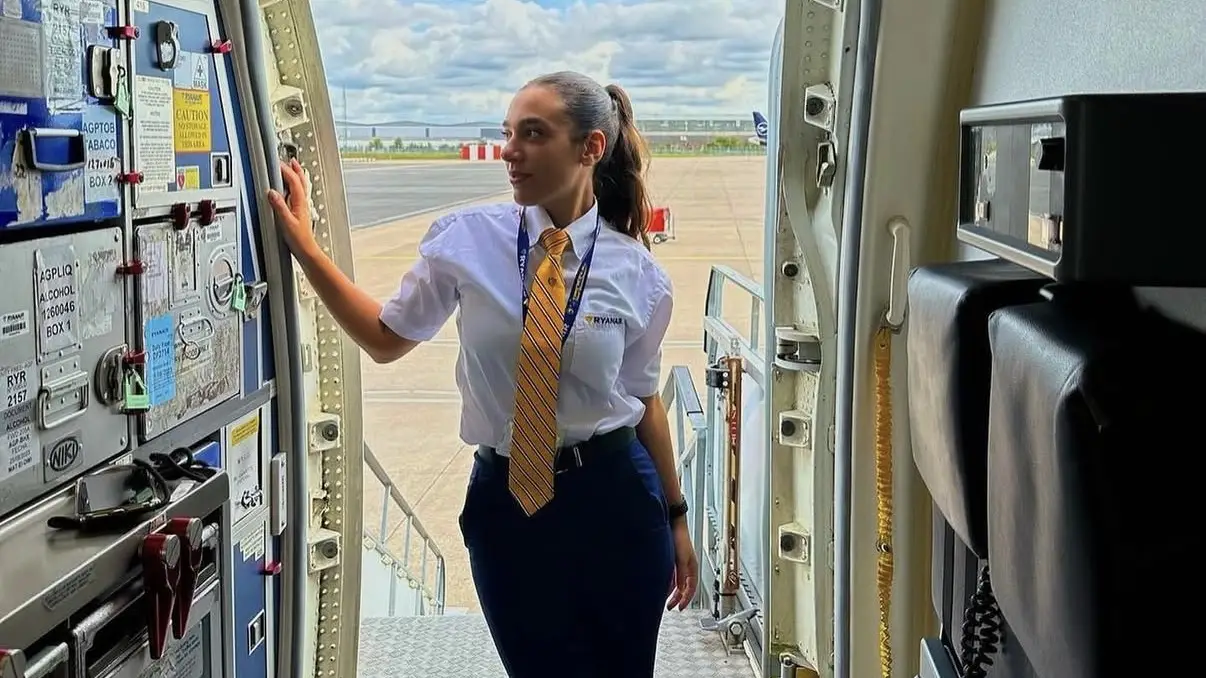
Cabin crew member reveals the truth behind the 'secret language' passengers think airline staff use on board

Plenty of passengers are convinced that airline staff have a secret language they use on board, but one flight attendant says the reality of much less mysterious.
Naomi Rotolo, who works as cabin crew for Ryanair, one of the UK's biggest budget airlines, told SlotsLV that no such code exists.
She explained that crew members need to be able to communicate clearly with passengers, which means not being understood could cause huge issues.
“It would be a problem if a crew member couldn’t make themselves understood by passengers, that’s the exact opposite of what we’re supposed to do,” she said.
Advert

Do flight attendants really use a secret language on planes?
According to Rotolo, the idea that staff have a way of talking that passengers can't follow is a myth, and she was keen to set the record straight.
"I have to bust the myth a bit here: there's no language or code that crew use specifically to avoid being understood by passengers," she said.
The same applies to any kind of warning system between colleagues.
Rotolo said there is no hidden word or signal that lets one crew member alert another to a problem without a passenger noticing.
“Similarly, there’s no secret word or signal to warn a colleague about something without a passenger noticing,” she added.
Her comments make clear that clarity, not concealment, is what crew are expected to deliver.
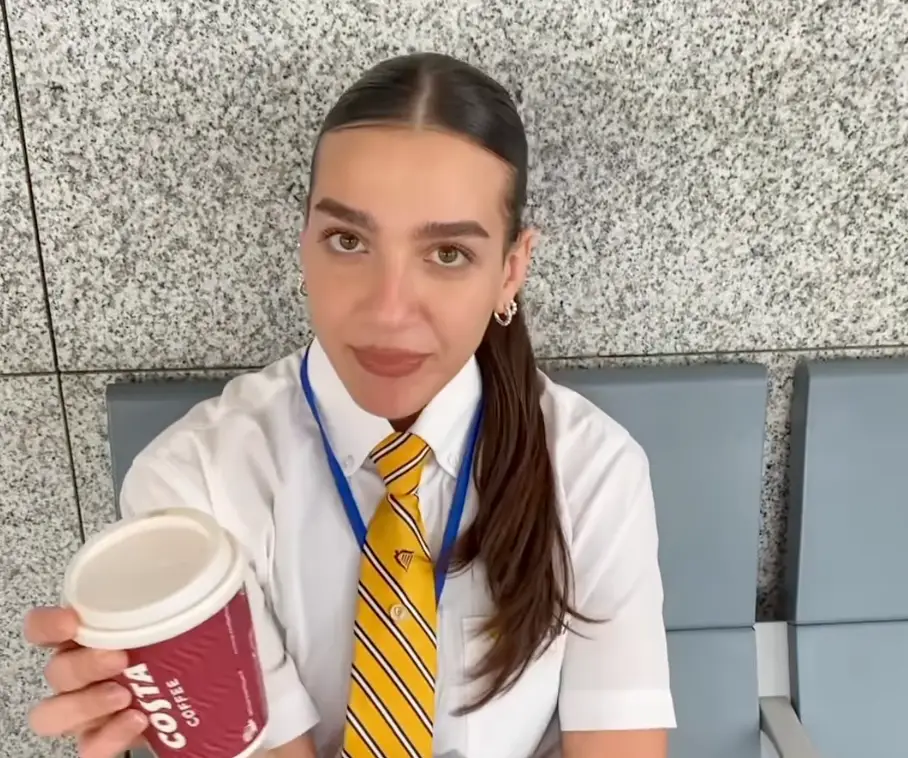
Do cabin crew use sign language on flights?
Not in the formal sense, Rotolo says, although there is a set of gestures used between staff.
“We also don’t use sign language in the formal sense, like BSL or ASL - it’s more a set of practical hand signs we use between colleagues to quickly communicate simple things, like ‘cappuccino,’ ‘sandwich,’ or other service requests, without having to raise our voices across the cabin or walk back and forth every time to ask what someone needs,” she explained.
In other words, British Sign Language and American Sign Language don’t come into it.
The hand signs are a shorthand for straightforward service requests, sparing crew from calling out across the cabin or making repeated trips to find out what a colleague needs.
When something more serious needs passing on, Rotolo says the method is more straightforward still.
“If we need to communicate something serious to a colleague, the fastest and most effective way is simply… talking. No code, no secret language, just direct, clear communication,” she said.
Other crew members have painted a different picture, however.
A British flight attendant told the Express that ‘precious’ is the word used among staff to flag a passenger who is being difficult, while an anonymous attendant told The Sun that anyone labeled a ‘Philip’ has done something wrong and should expect bad service for the rest of the flight.
Meanwhile, travel magazine Far & Wide reported that ‘hot coffee’ is used to point out particularly attractive passengers, with ‘coach roach’ said to describe someone who sneaks into a higher class without paying, and ‘gate lice’ those who crowd around the gate before their boarding group has been called.
UNILAD have approached RyanAir for comment.
Topics: Travel
 Thomas Bamford