9 forbidden places around the world you’re not allowed to visit

Human beings have touched every single corner of this pale blue dot that we call home, summiting each one of the highest mountains in the world and marching through the frozen tundras of its polar caps to prove our mastery over the Earth's surface.
But while human curiosity and ingenuity drove us to explore distant landmasses over deadly seas, there are some corners of the world where very few people have ever been and no one is now allowed to go.
Some of these places are terrifyingly dangerous, packed with things that could kill you or drastically limit your lifespan. Whether that is due to extreme nuclear contamination, or documented attacks from indigenous tribes.
While these locations are now off limits and forbidden for almost everyone, what we do know about these often remote and dangerous places is enough for governments and organizations to prevent any one else from setting foot there.
Advert
Below are nine of the most forbidden places on the planet that you are simply banned from ever visiting.
Snake Island, Brazil
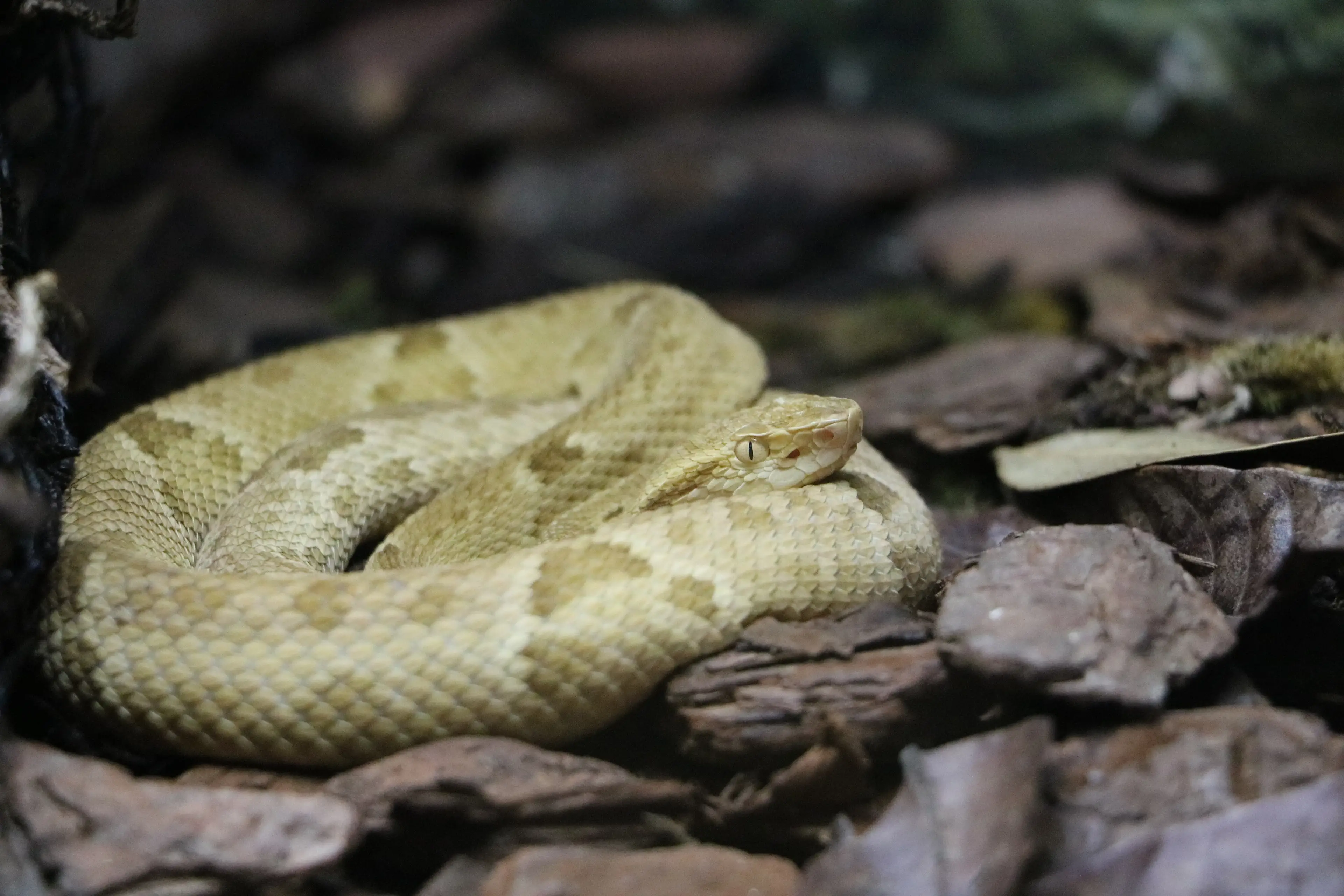
With a nickname like 'Snake Island', you can probably hazard a guess why no one is allowed to, or should want to, step foot on Brazil's Ilha da Queimada Grande, which sits just off the South American country's south east coastline.
As you can imagine, the places is crawling with snakes, even being the last home to a truly ancient species of snake that has only survived on this one island in the Atlantic after being wiped out everywhere else following the last Ice Age - the extremely venomous golden lancehead pit viper.
So, to protect both this rare species and the lives of any humans that encounter it, the Brazilian Navy has kept the island closed to visitors since the 1920s.
Surtsey, Iceland
Formed out of a massive four year long undersea volcanic eruption in the 1960s, Sursey is one of the newest islands on the planet and a key source of scientific research in the decades since it pushed its way to the surface.
Named after the Norse fire giant Surtr, the only people allowed on the island are a small team of researchers who stay in a small hut. This is not for safety reasons, but to prevent erosion from human contact and foreign seeds from ruining their observations of ecological progression on the new island.
Lascaux Caves, France
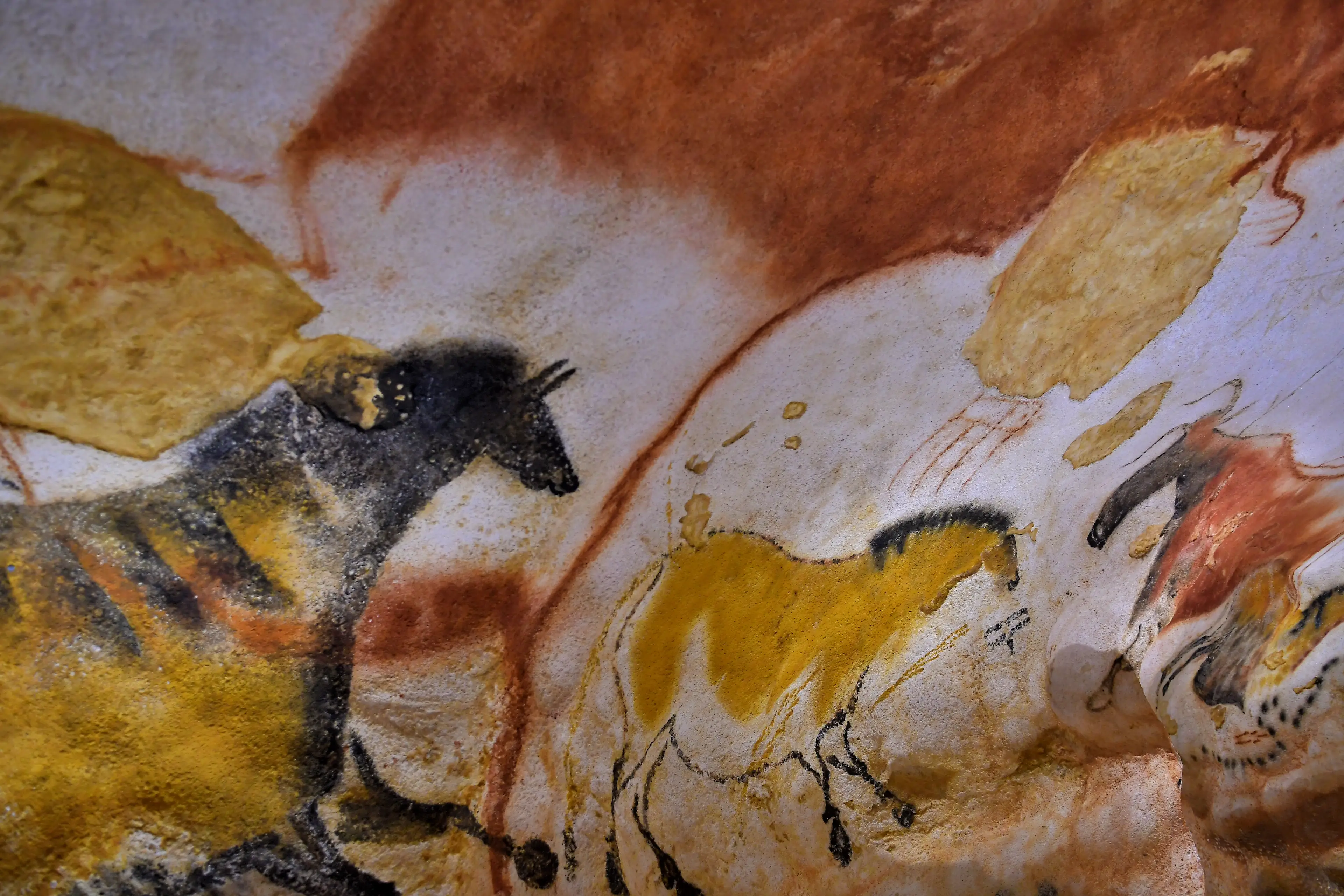
All people are also banned from the Lascaux cave system in the Dordogne, France, for similar reasons, to preserve something of huge importance to human understanding.
However, in the case of these prehistoric caves, what academics want to preserve is our own ancient past, as Lascaux is littered with over 600 magnificent wall paintings. Some of these are from as far back as 20,000 years ago.
Many of these paintings, daubed on cave walls by human beings 8000 years before we learned to farm, have survived in extraordinary details thanks to random chance, with a landslide sealing them off from human contamination several thousand years ago.
Their rediscovery in 1940 revolutionized how we view our ancient ancestors and their capacity for creativity. But their captivating allure began to damage their 20,000 years of preservation, with France closing them to the world in 1963.
The 'Doomsday Vault', Svalbard
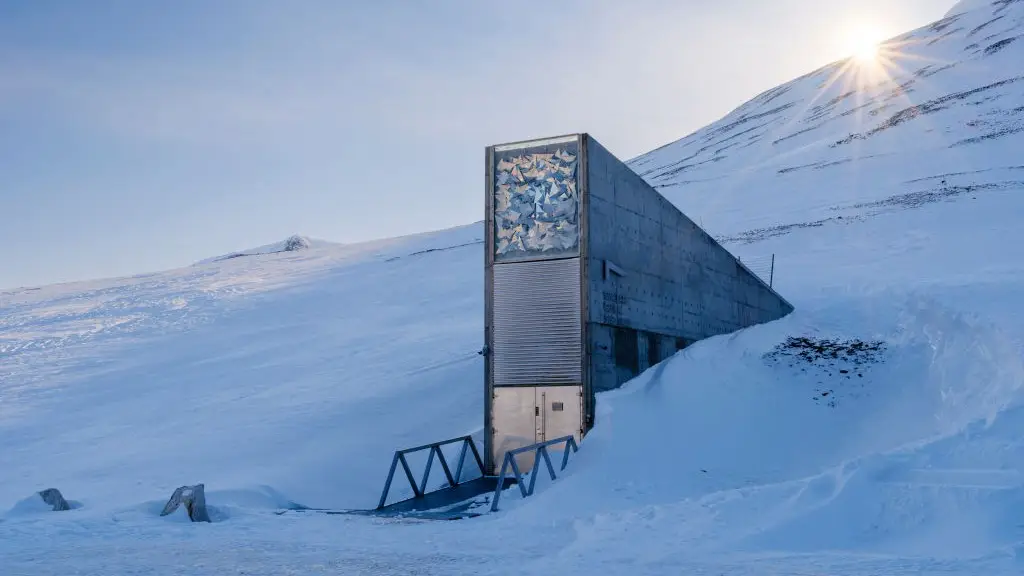
Known as the 'Doomsday Vault', the Svalbard Global Seed Vault was created to safeguard humanity against a potentially civilization-ending catastrophe - the collapse of global food chains from war, pestilence, or natural disaster.
It does this by storing copies of more than 1.3 million seeds from around the world somewhere that no worldwide disaster can reach them, in a special facility carved into Arctic permafrost at 130 meters above sea level.
However, to ensure the security of this last hope for humanity, to prevent biocontamination or other security issues, it is entirely closed to the public. It is also located right in the middle of prime polar bear territory, so you don't want to hang around outside either.
Tomb of Qin Shi Huang, China
The mausoleum constructed for the first emperor of China's Qin dynasty in 200BC is among the world's most famous archaeological discoveries, home to the iconic Terracotta Army that were uncovered in 1974.
Despite their discovery in what is believed to be a garrison attached to the emperor's main tomb, his final resting place remains unexcavated 50 years later as the Chinese government prohibited any further excavation.
The reasons for this are complicated, from the importance of ancestor burial places in Chinese culture, to the insane amounts of mercury found in soil samples from the site - believed to have formed rivers around the vast mausoleum before it was sealed forever 2200 years ago.
Breaking into the tomb could release this mercury into the wider environment.
City 40, Russia
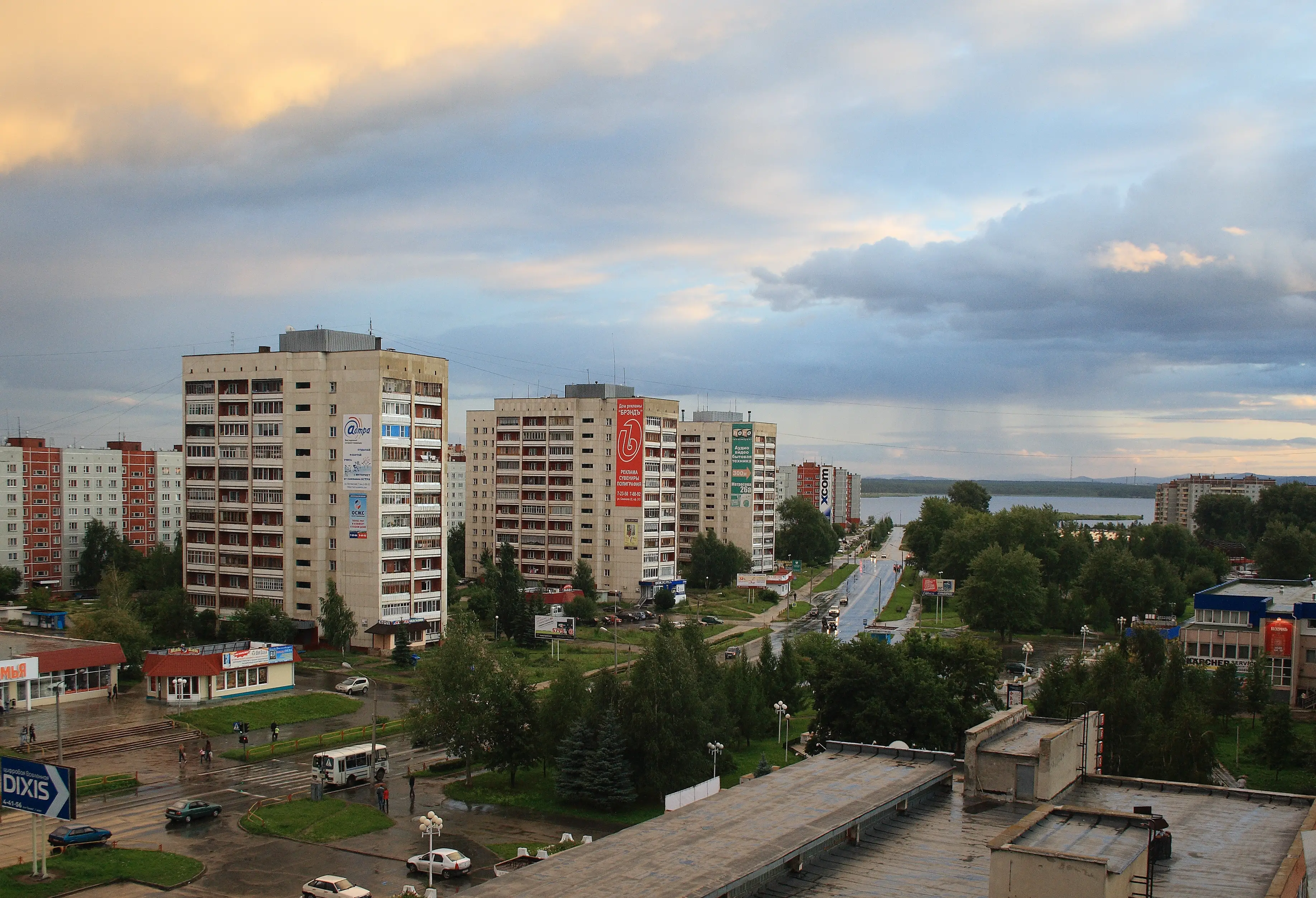
For decades, you would have found no mention of 'City 40' on any map of Russian territory, despite it being home to tens of thousands of people. Though, you could have pinpointed it with a geiger counter.
The location in the Ural Mountains is now called Ozyorsk, codenamed City 40 was built in 1947 and became the secret birthplace of the Soviet Union's nuclear program as only the second place in the world to create weapons grade plutonium.
The radioactive waste of which would be dumped in the Techa River, turning much of the surrounding land and waterways into a contaminated wasteland. This would only be made worse by the catastrophic Kyshtym disaster, where an explosion blew high-grade nuclear waste over 22,000 square miles of the surrounding area.
But don't let its modern population of 80,000 fool you, Ozyorsk remains a 'closed city' in Russia, with all outsiders banned from entering and only citizens working in the associated nuclear industries allowed to live there.
North Sentinel Island, India
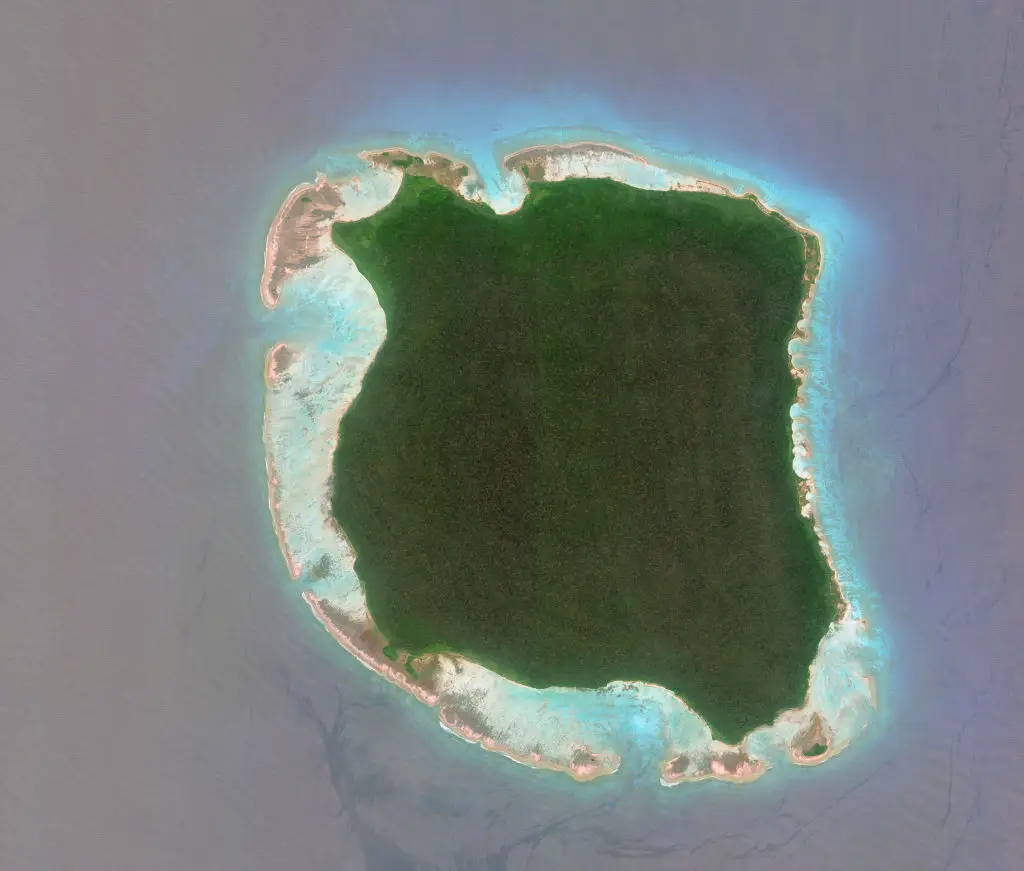
Among the most well-known forbidden locations in the world, North Sentinel Island is part of the Indian-controlled Andaman Island archipelago, situated 80 miles off the coast of Myanmar in the Indian Ocean.
Some of the Andaman's landmasses, including North Sentinel Island, contain small indigenous tribes of Andamanese people, believed to have split from nearby Asian genetic populations more than 10,000 years ago as sea levels rose at the end of the last Ice Age.
Despite some interactions with various civilizations from the 1700s onwards, some of these groups entirely reject the presence of outsiders. Especially the North Sentinelese, who are famous for attacking outsiders with bow and arrow if they get too close.
This included the American Christian missionary John Allen Chau who was killed by the island's inhabitants in 2018 after paying local fisherman to take him ashore. No action was taken against the island's small population however, as the Indian government has barred anyone from going within three miles of the island for several decades.
Niʻihau, USA
Despite being the seventh largest island in Hawaii, no Mai Tai swigging tourists are allowed to set foot on Ni'iha in order to protect its native Hawaiian population and rare endangered plant species.
The island was actually purchased from the Kingdom of Hawaii by Scottish plantation owner Elizabeth Sinclair in 1864 for the modern day equivalent of $200,000, with it being passed down through the generations of her family.
But rather than economically exploit the land and its people, this family of private landowners have instead engaged in decades of conservation work to protect its unique flora and peoples from outside influences.
As a result, the only people allowed to set foot on the island are the descendants of Sinclair, their invited guests, and the US Navy.
Uluru, Australia
One of the most recognizable geographical features on the planet, the vast sandstone monolith Uluru juts 1142 feet into the air and stretches over five miles of central Australia.
As well as being one of the world's most astonishing natural wonders, Uluru (formerly Ayer's Rock) has been an important part of the human psyche for thousands of years - with the first sign of nearby settlement by Aboriginal peoples dating back to 10,000 BC.
Uluru forms a key part of these native peoples' culture and oral history, which is why the Australian government has handed back control of the monolith to Aboriginal communities, recently taking the extra step to ban all visitors from climbing it.
Instead, tourists must view the breathtaking sandstone outcrop from an adjacent viewing platform.
Topics: Travel, History, Science, Environment
 William Morgan