
Sexpert debunks five of the most common myths about female ejaculation

An expert has taken a look at some of the most common misconceptions around female ejaculation, stressing that 'it's time we bust 'em'.
Few things can say that someone has definitely gotten there quite like female ejaculation, which is also referred to as 'squirting'.
There are more and more options and openness out there about female sexuality, and it's also something that an increasing number of people are exploring.
And as with anything, squirting is also something which can be very subjective for different women.
Advert
Some might find that they need relatively little stimulation to be able to do it, while others need a lot more to reach that level. One comparative study from 2013 estimated that female ejaculation is experienced, in some way, by 10 to 54 percent of women.

As many women are now exploring their sexualities more openly, ensuring that the right information is out there is more important than ever, whether it's a matter of safety, letting go of inhibitions, or just trying to increase pleasure.
Happily, sexologist Heather Foord has shared some of the most common and persistent misconceptions around squirting on Mamamia.
Anyone can squirt

Foord shared that while for some, squirting comes very easily, sadly for others the way their body is makes it very difficult.
She explained that female ejaculation results from the Skene's glands, and the size of these can vary, as well as the various anatomical structures there.
That means that while some people's glands might make them squirt easily, for other individuals it's different.
Nonetheless, she was clear that this shouldn't stop anyone from trying.
Vaginal squirting
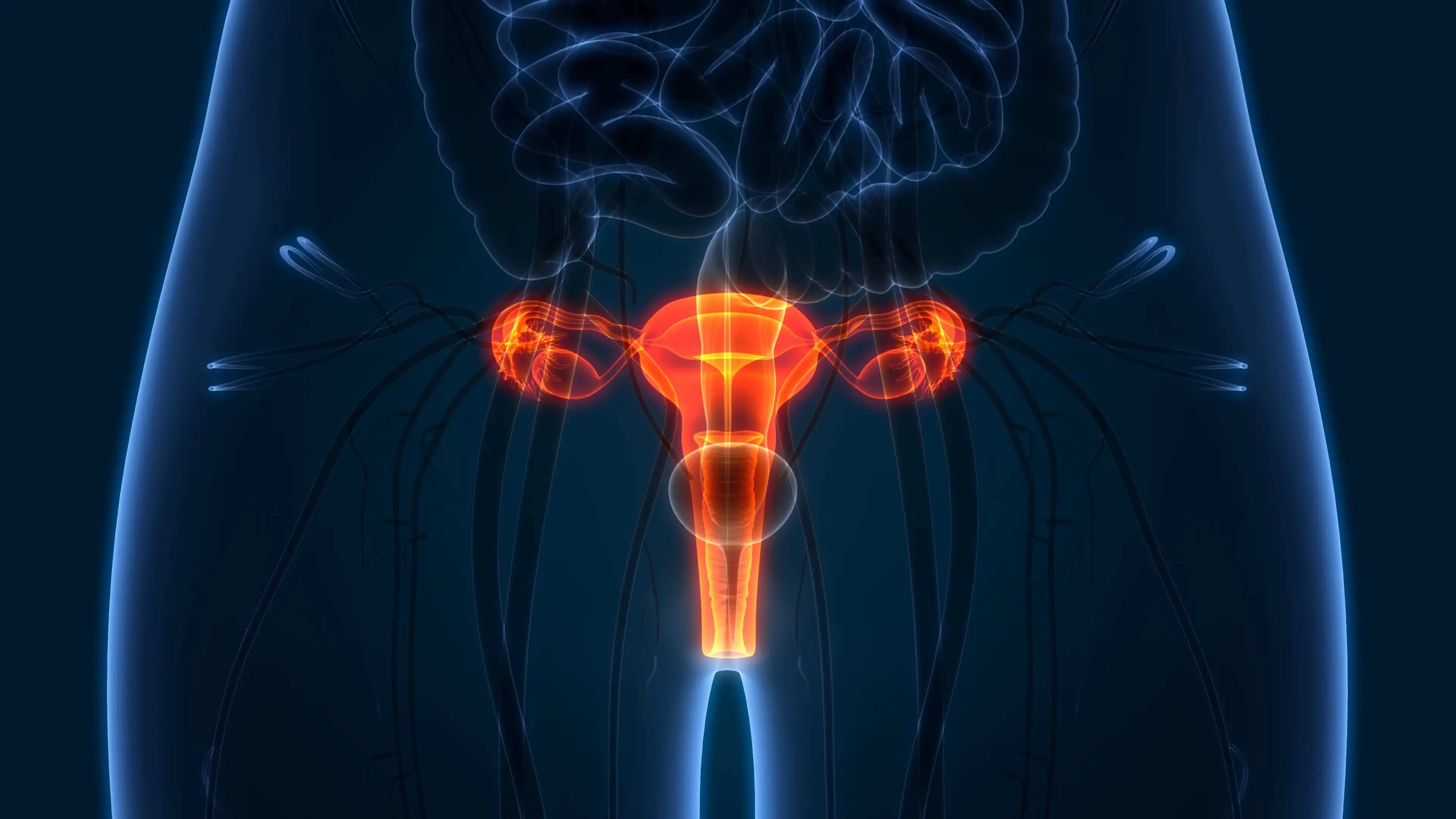
This, Foord explained, is not anatomically possible.
When there is what Foord called a 'high-volume expulsion', then this has to come from the urethra and not the vagina.
As mentioned before, it originates in the Skene's glands, also called the periurethral glands, and these are also important in how the fluid is ejected, so it doesn't originate in the vagina.
Squirting means you have a weak pelvic floor

The logic to this myth is something like, because the muscles in the pelvic floor are weak, they are unable to contain fluid when someone orgasms, but this is incorrect.
Foord explained that research points to female ejaculation coming from several factors: periurethral glands, higher blood flow, being very aroused, and contractions in the pelvic floor.
Contrary to the myth, Foord noted that people who can squirt actually show great pelvic floor strength, adding that several studies highlighted this.
To put it simply - it takes strong, responsive muscles to be able to send liquid shooting out at high pressure.
Feeling like you need to pee during sex means there's a problem

Foord emphasized that this is not correct at all, and the feeling is a result of how everything is arranged down there.
The vagina and clitoris are close to the bladder and urethra, and when someone becomes aroused, this means that there's more blood flowing to that area.
Increased blood flow can cause the clitoris to swell and the pelvic floor to engage, she explained, and this in turn puts pressure on the bladder - hence the feeling of needing to pee.
So it is actually completely normal and not a problem.
But Foord explained that this can cause some people to tighten up because they're nervous about peeing during sex.
This can be bad for pleasure, because the best state for orgasming is feeling safe and relaxed, as well as turned on.
Squirting is an 'anatomical issue'

Foord explained that while squirting is obviously anatomical, it's absolutely not an 'issue'.
Yes, when someone squirts, it does come out of the urethra, but she explained that this is also the case with a penis as well - but there's no 'issue' around that.
She wrote: "We need to stop perpetuating stigma, shame and myths around female pleasure."
Topics: News, US News, Health, Sex Education, Sex and Relationships
 Kit Roberts