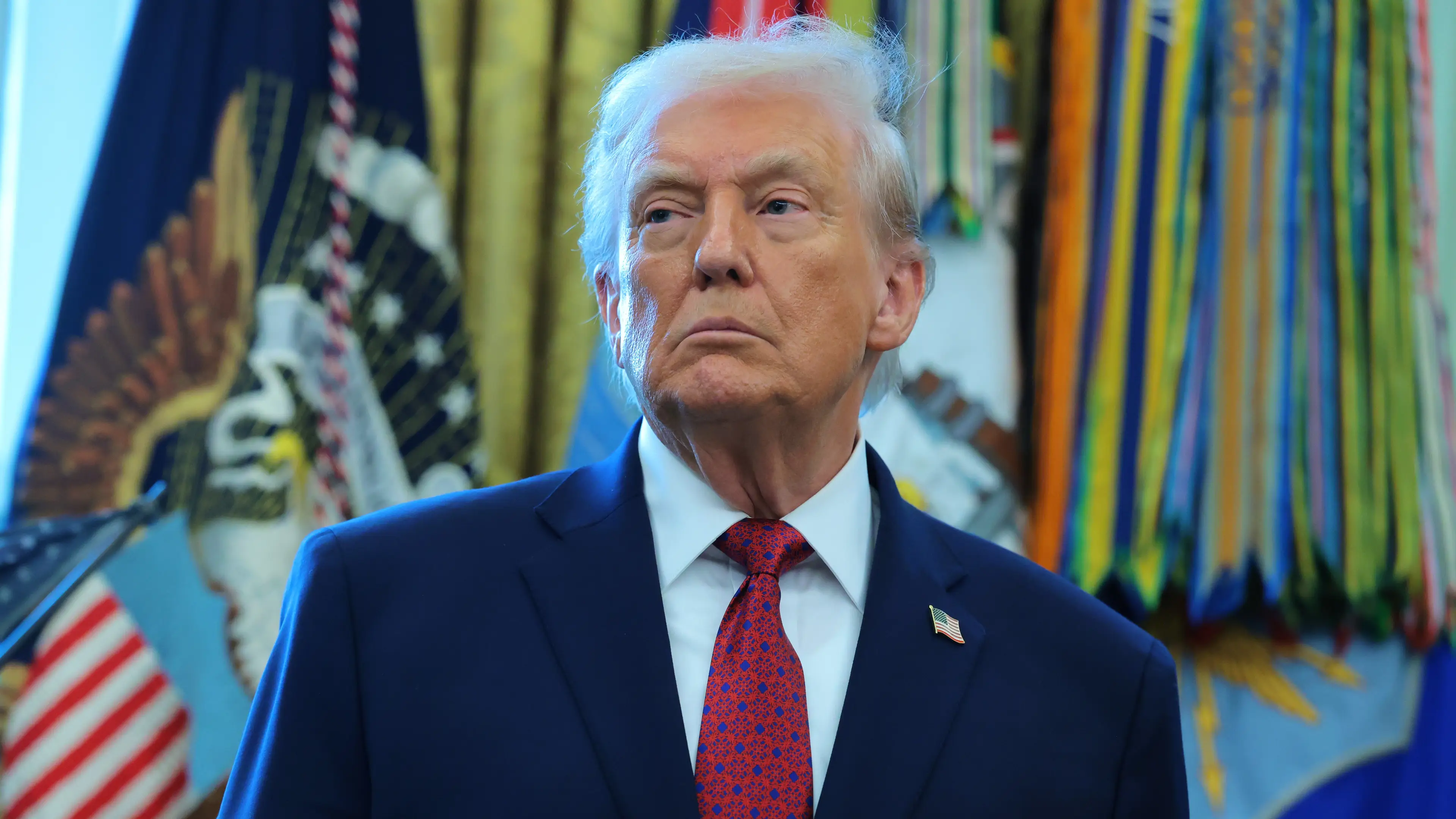
Trump threatens to break law over birthright citizenship as Supreme Court strikes down executive order

Donald Trump has seemingly threatened to break the law in light of the Supreme Court ruling against him.
One of the first executive orders that president signed when he returned to office in January 2025 was to end birthright citizenship in America.
"Birthright citizenship is the principle that people born in the United States are Americans—full members of our society from the moment they are born," explains the American Immigration Council.
"It reflects a simple and powerful idea: if you’re born here, you belong here."
Advert
Birthright citizenship is part of the American constitution and has been since 1868 following the American Civil War.
Despite it being more than a century old, Trump still wanted to change the 14th amendment. In his executive order, the president wanted to change it so children born to people who are in the United States illegally or temporarily are not American citizens.
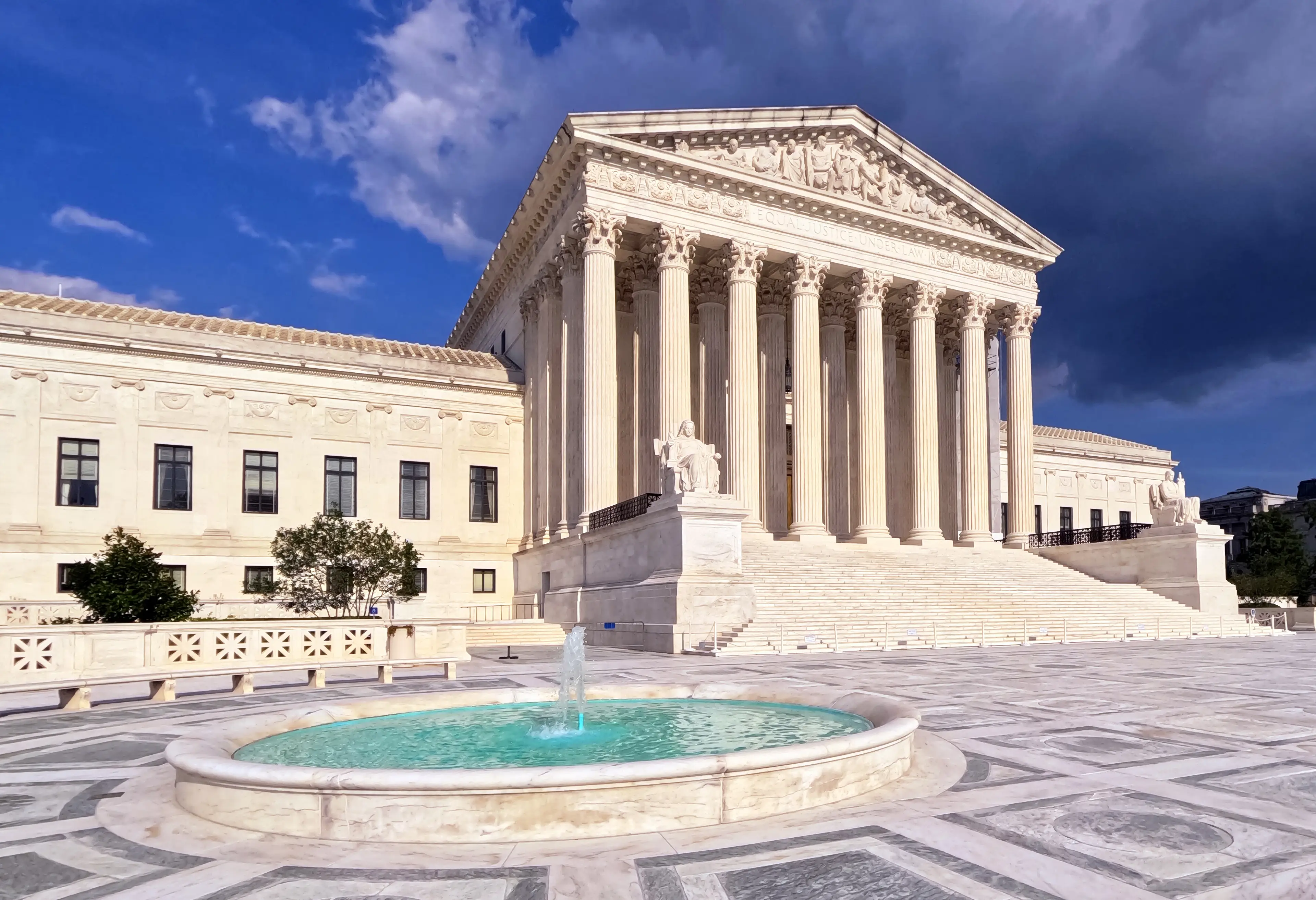
However, the Supreme Court ruled against him and his administration yesterday (June 30).
What the Supreme Court said
The court struck down the US president’s order by a vote of 6-3.
A bare majority of five justices, in an opinion written by Chief Justice John Roberts, held that the long-settled understanding of the 14th amendment makes a citizen of anyone born in the country, with very limited exceptions.
"Citizenship, then and now, was the right to have rights—to freely participate in our political community. The framers of the fourteenth amendment extended that promise to 'every free-born person in this land'," Chief Justice Roberts wrote for the court, citing congressional debate over the amendment.
"We keep that promise today."
The Republican president’s restrictions had been blocked by several lower courts and had not taken effect anywhere in the US.
What Trump has said in response
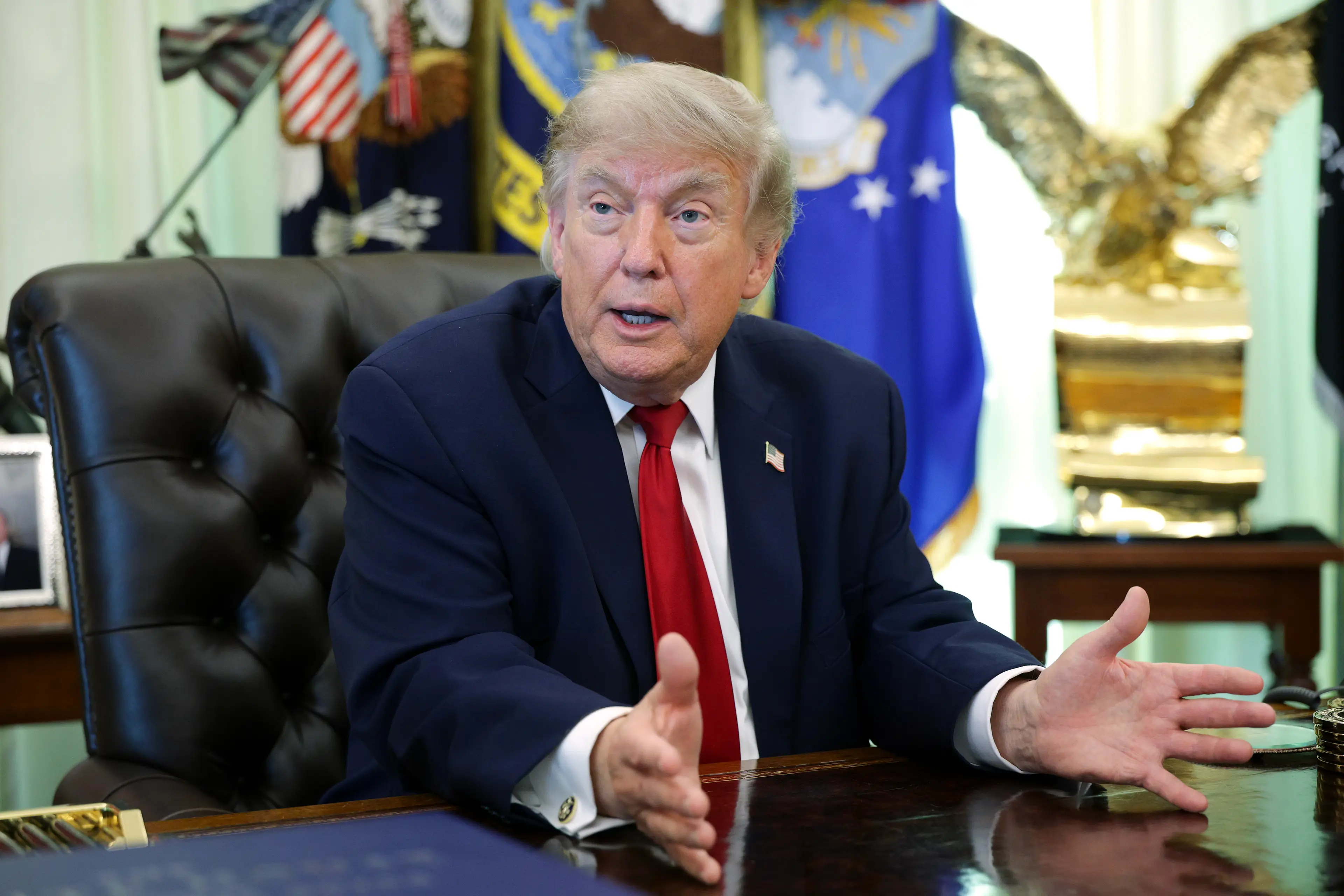
Trump said the decision was 'too bad for our country' and wrongly suggested that congress could 'easily' address it with legislation.
He penned on Truth Social: "The Supreme Court upheld Birthright Citizenship, which is too bad for our Country, but we can easily make it up in Congress through Legislation, with the support of the President, that has now been determined during this process.
"No long and unwieldy Constitutional Amendment is necessary! Congress should start TODAY to work on ending expensive and unfair to our Country, Birthright Citizenship. They will have my Complete and Total Support!"
However, Congress cannot makes changes to the constitution through ordinary legislation. Instead, it must follow the amendment process, despite the president saying that it wasn't necessary.
"A constitutional amendment requires a supermajority—two-thirds of both the House and Senate—to pass," New Republic explains.
"Alternatively, the issue could technically be put to a constitutional convention, though two-thirds of states would need to support the motion to have one at all, and any proposed changes to an amendment would still require ratification by three-fourths of the states."
Topics: Donald Trump, Politics, US News
 Niamh Shackleton