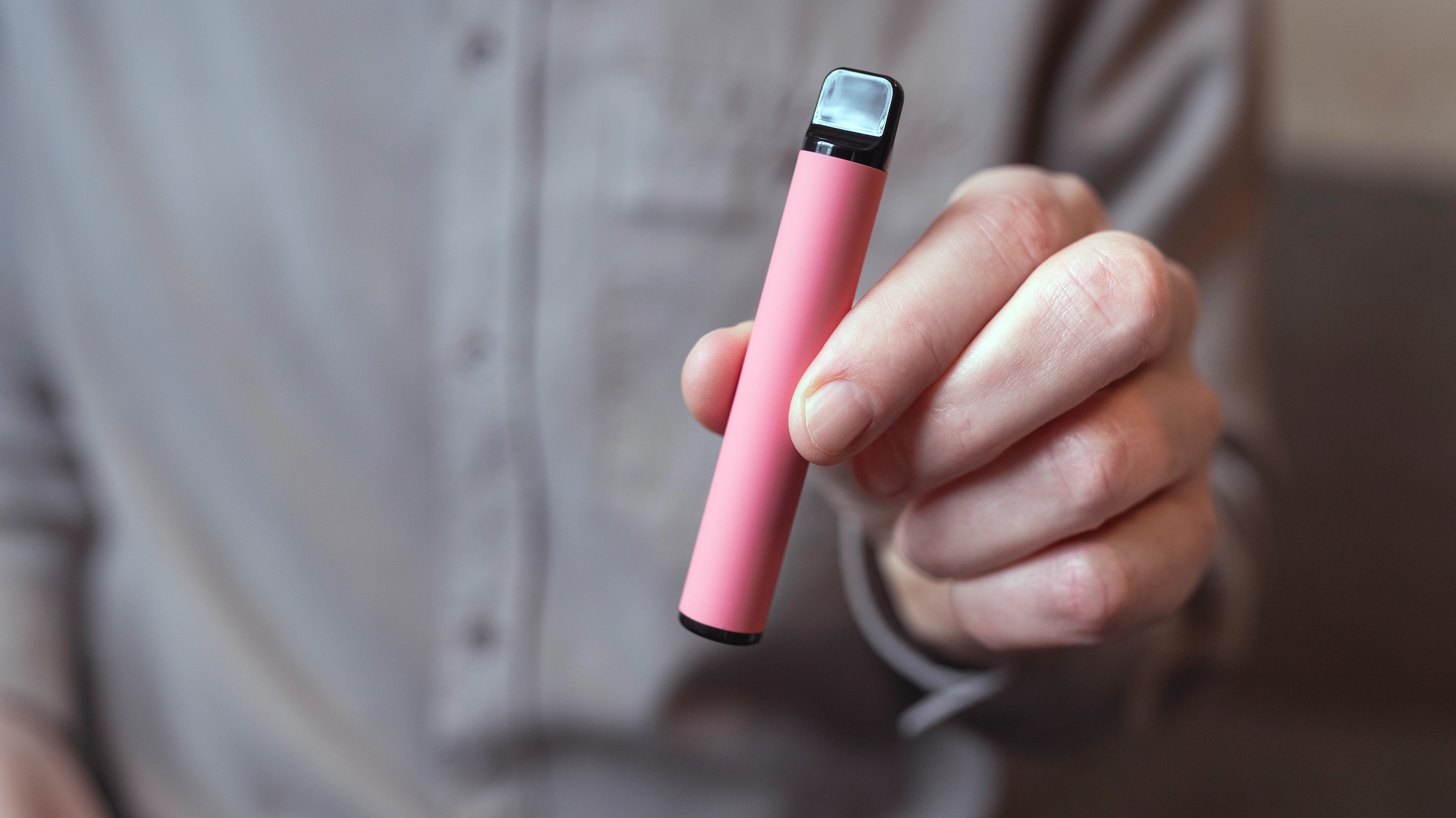
Vaping costs set to soar as 'little-known' tax comes into force next month

Vapers in the United Kingdom are about to get hit with a brand-new tax that could add close to £275 (roughly $370) to their yearly spending, and according to new research, most of them don't even know it's coming.
Starting October 1, the UK government is rolling out a tax called Vaping Products Duty, which will apply to every vaping liquid sold in the country, whether or not it contains nicotine.
The tax adds 22p (about 30 cents) per millilitre of e-liquid, which works out to £2.20, or roughly $3, tacked onto a standard 10ml bottle, and that's before the UK's 20 percent sales tax, known as VAT, is even added on top.
A bottle that currently runs about £2.50 to £3 (roughly $3.50 to $4) is expected to jump to more than £5, or around $6.75, once the new pricing kicks in, according to figures reported by Devon Live.
Advert
For someone getting through two 10ml bottles a week, that adds up to an extra £5.28 (about $7) weekly, or close to £275 a year.
Stretched out over three decades, a vaper could end up paying an extra £8,220, or nearly $11,000, compared to what they'd have spent without the change.

How many people will the UK's new vape tax actually affect?
HM Revenue and Customs, the UK's tax authority (comparable to the IRS), estimates 5.1 million people across the country will feel the impact once the new duty takes effect.
The government's independent economic forecaster, the Office for Budget Responsibility, expects the tax to generate £600 million (about $810 million) annually by 2030, though HMRC's own projections put that figure closer to £550 million a year over the same period.
Despite how many people the change will hit, awareness appears to be seriously lagging.
A survey of 1,000 adult vapers in the UK found 62 per cent are worried about the tax affecting their finances, and 68 per cent said they're already feeling squeezed by the rising cost of living.
Guy Lawler, managing director of UK vape retailer Vapekit, told Devon Live the lack of awareness has caught a lot of people off guard.
"Most vapers we surveyed had not even heard about the new vape tax coming in October," Lawler said. "With the changes now just weeks away, affordability is becoming a real consideration for vapers across the UK."

Will people in the UK just turn to a vape black market instead?
It's a real possibility raised in the research, 48 percent of those surveyed said they'd consider buying vape products through unofficial, untaxed channels if it meant paying less. Many also said they expect to cut back elsewhere entirely, with eating out, alcohol and general shopping all named as areas they plan to trim once the new pricing lands.
Right now, the average UK vaper spends around £15.25 a week, about £793, or roughly $1,070, a year, on products including e-liquids, pods and refillable kits.
Factor in the new tax for someone using two bottles weekly, and that annual spend climbs to about £1,067, or close to $1,440.
Lawler also raised a public health point, noting that a review by the Cochrane Library, a respected body that analyzes medical research, looked at 80 studies and found nicotine vapes work better than patches or gum for helping smokers quit.
He added that UK charity Action on Smoking and Health estimates 2.5 million people have used vaping to quit cigarettes in the last five years alone.
"Now this tax will make the most effective way of quitting far more expensive," he said.
HMRC has confirmed the duty covers all vaping liquids sold in the UK, nicotine or not, and will roll out alongside a new stamp scheme designed to verify that vape products moving through stores have had the tax paid
 Thomas Bamford