Putting a dollar bill in your fridge for a one-minute test could save you money, expert says

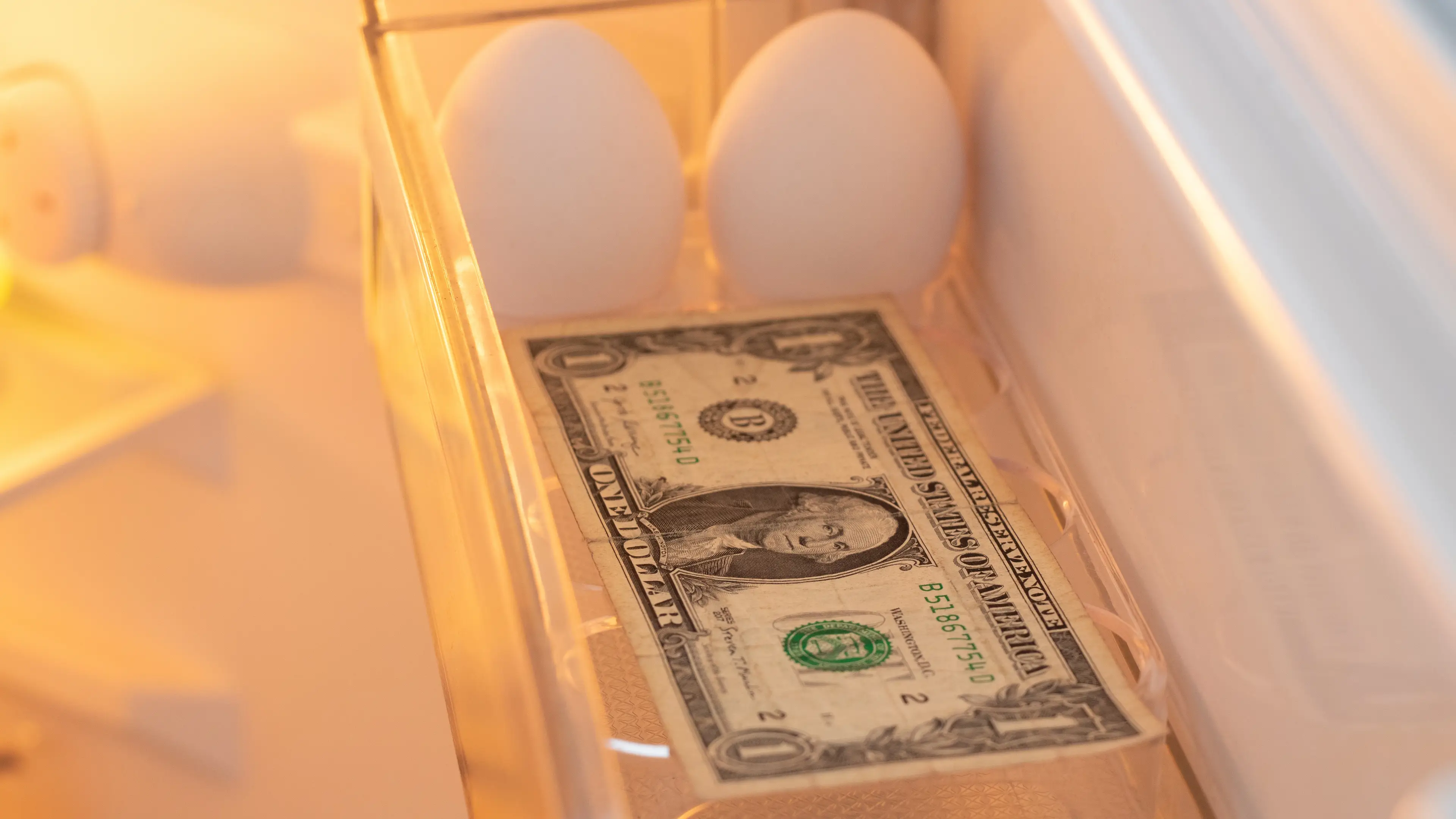
Putting a dollar bill in the fridge for 60 seconds may seem like a bit of an odd thing to do, but it could well save you money, according to one expert.
There's no doubt that the cost of living crisis is very much still a thing, so any tips on saving cash is very much appreciated.
And experts say that poorly functioning fridges could be increasing your bills due to them using increased electricity, while they will also fail to keep your food cold.
Thankfully, there's a pretty simple test you can carry out and all you need is 60 seconds and a one dollar bill.
Advert
Damaged and worn seals can allow cool air to escape and warm air to enter in fridges, which means the kitchen appliance is working overtime to ensure your food and drink is kept well.
Damaged fridge door seals may well increase energy consumption by as much as 25 percent, according to Guy Chapman, silicone seal specialist at United Silicones.

The expert said: "People tend to focus on the appliance itself and rarely think about the seal running around the edge of the door.
"Yet that small strip of material plays a huge role in keeping cold air where it belongs.
"As kitchens become warmer during the summer months, a fridge has to work harder to remove heat from inside the cabinet.
"If the seal isn’t doing its job properly, the appliance can end up fighting a constant battle against warm air entering from outside."
This is where the 60-second test comes into play, in what experts say can save you some dollar.
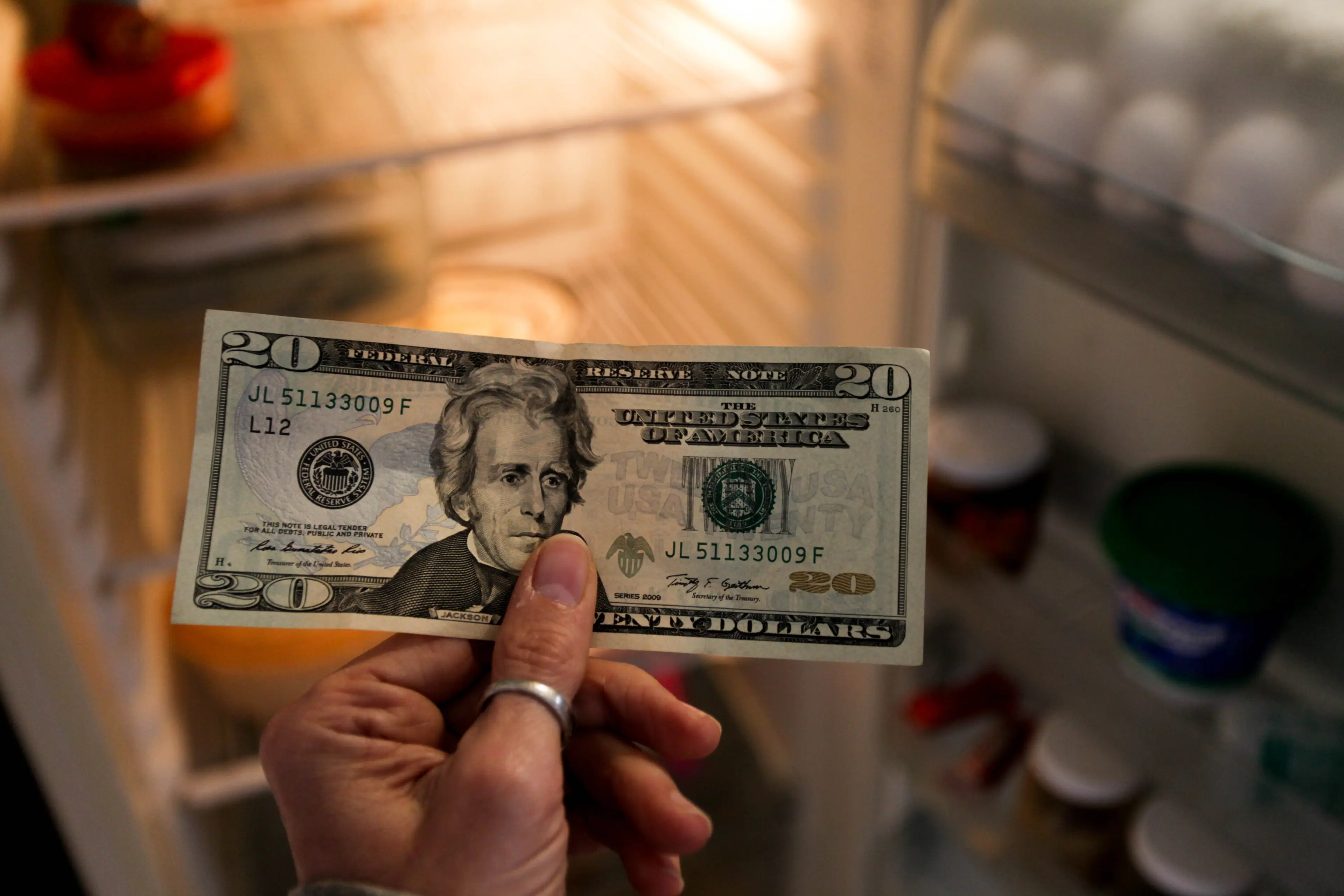
Chapman added: "One of the easiest checks is what many people call the banknote test. Close the fridge door on a banknote so part of it remains visible, then gently try to pull it out.
"If the note slides out very easily without any resistance, that can indicate the seal is no longer making good contact with the fridge body at that point.
"It’s worth repeating the test around different areas of the door because wear isn’t always evenly distributed."
He continued: "Most seal failures don’t happen overnight. The material slowly loses flexibility over time. You might not notice the change from one month to the next, but after several years the seal may no longer be forming the airtight barrier it once did."
 Callum Jones