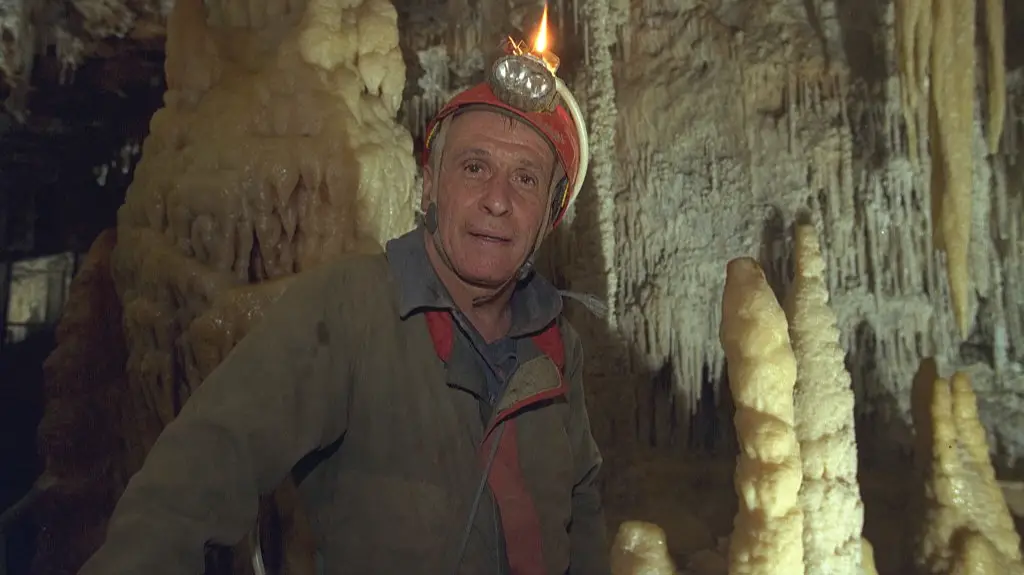
Man who lived in cave conducted his own 'psychological tests’ to explore the concept of time

A French explorer who lived in a cave for two months used 'psychological tests' to make a miraculous scientific discovery.
When the late Michel Siffre was 23, he wanted to know more about how the human body worked. Inspired by the space race—a 20th-century competition between the United States and the Soviet Union to achieve superiority in space exploration—the Nice-born specialist decided he would cloister himself 130 meters below the surface of Scarasson, a mountain in the Ligurian Alps.
"This idea came to me—this idea that became the idea of my life. I decided to live like an animal, without a watch, in the dark, without knowing the time," he told Cabinet Magazine in 2008.
"Instead of studying caves, you ended up studying time. Yes, I invented a simple scientific protocol."
Advert
The experimentalist wanted to discover how the absence of external cues (reminding us it's night and day) could affect our body's biological rhythms.
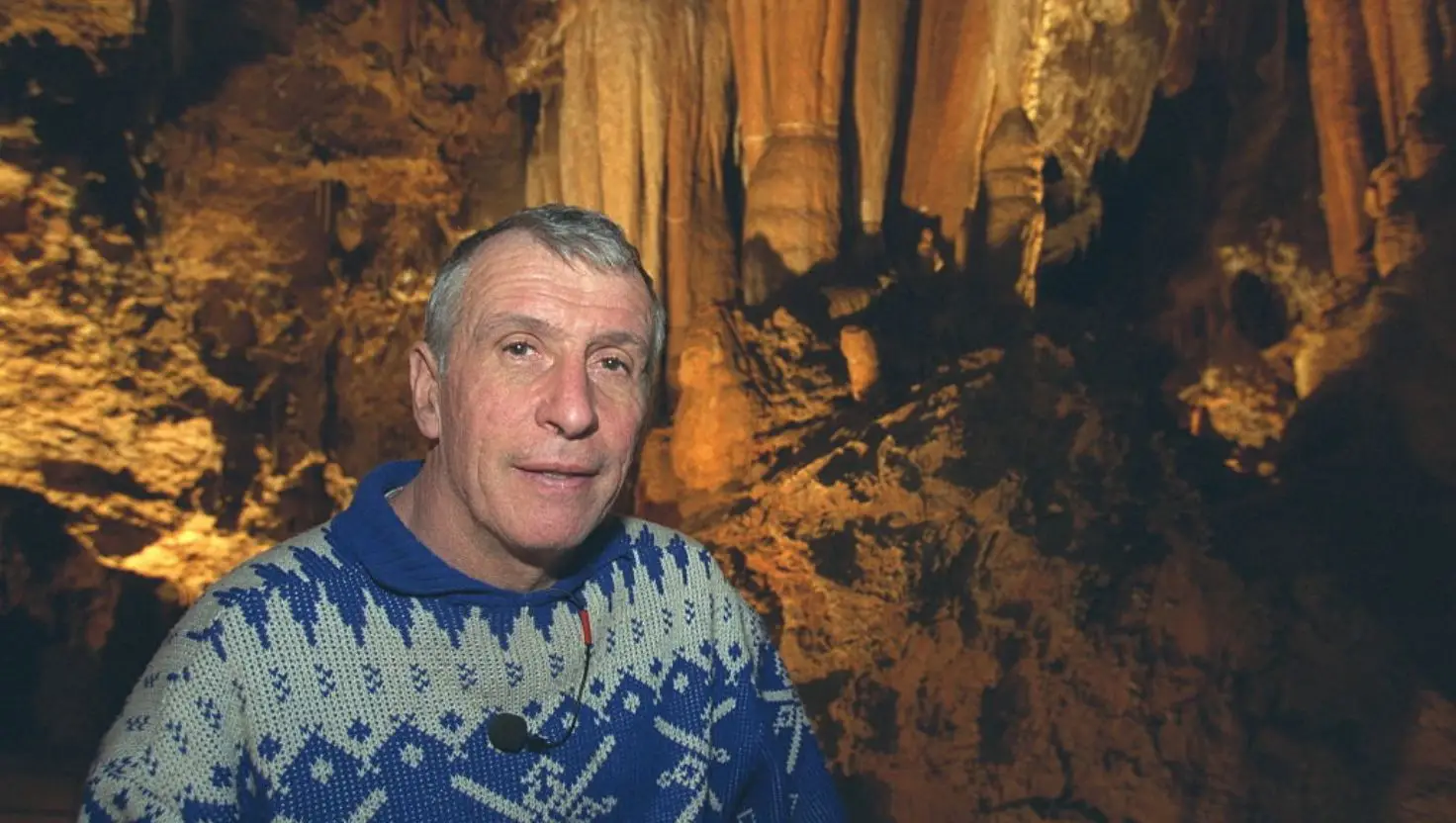
One of the most well-known biological rhythms studied in chronobiology is the circadian rhythm. If you’ve used any good sleep app, then you will know the circadian rhythm is your body’s natural, internal 24-hour clock that helps to keep you operating on a healthy wake-sleep cycle, writes the Cleveland Clinic.
In his first attempt to advance science, Siffre removed his wristwatch so he could go off his body’s cues, rather than what the clock was saying.
He’d wake up when his body told him too, sleep when he was tired and eat food only when he was ready. Armed with just a torch, Siffre set up camp underground on a glacier in July 1962.
For 63 days, the expert would let his team—who were positioned by the cave’s entrance—know when he doing either of the three variables. He also forbade them from telling him what time it was outside.
Due to having no time constraints, Siffre claims he made a series of incredible findings - one of which is that our bodies have their own clocks.
"Without knowing it, I had created the field of human chronobiology,” he told Cabinet Magazine.
For two months, Siffre got to know his body better and passed the time by ‘reading, writing and doing research’, as well as daydreaming about his future.
While dwelling in the cave, he also conducted a couple of ‘psychological tests’ to help him explore the concept of time.
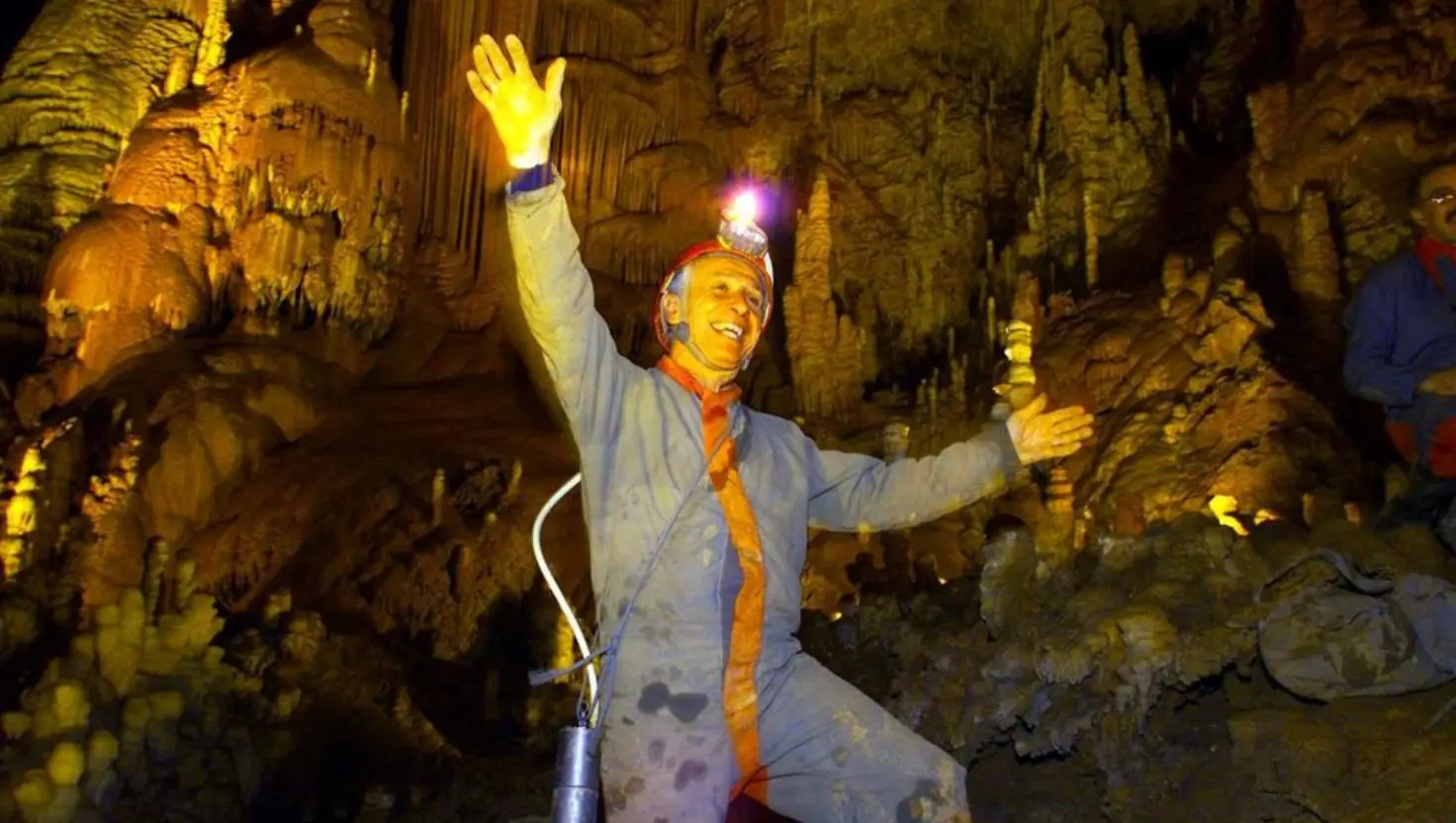
"I had to count from 1 to 120, at the rate of one digit per second. With that test we made a great discovery: it took me five minutes to count to 120. In other words, I psychologically experienced five real minutes as though they were two." he said.
"My psychological time had compressed by a factor of two."
The explorer continued, saying that when you’re surrounded by darkness, the brain fails to ‘capture the time’.
“You forget. After one or two days, you don’t remember what you have done a day or two before. The only things that change are when you wake up and when you go to bed.
"Besides that, it’s entirely black. It’s like one long day."
After his first stint was hailed as a success, Siffre continued to put himself through these experiments.
Previously, he resided for six months underground in a cave in Texas and also embarked on an intense period of isolation.
During his numerous exploits, the adventurer discovered that without time cues, some people adjusted to a 48-hour cycle rather than the 24-hour one we're accustomed to.
Unfortunately, the scientist died on August 24, at age 85 after suffering from a bout of pneumonia.
The chronobiology pioneer’s final excursion in a cave ran from November 1999 to February 2000, according to The New York Times.
He was supposed to celebrate New Year’s Eve 2000 in the darkness, but missed the actual date by four days.
 Ella Scott