
What extreme heat does to your body as temperatures exceed 118°F in the world's hottest cities

Temperatures across parts of the world have been hitting extremes that stretch the limits of what the human body can survive.
In late April 2026, cities were recording highs of 48°C (118°F), with 98 of the world's 100 hottest cities sitting in one country, India.
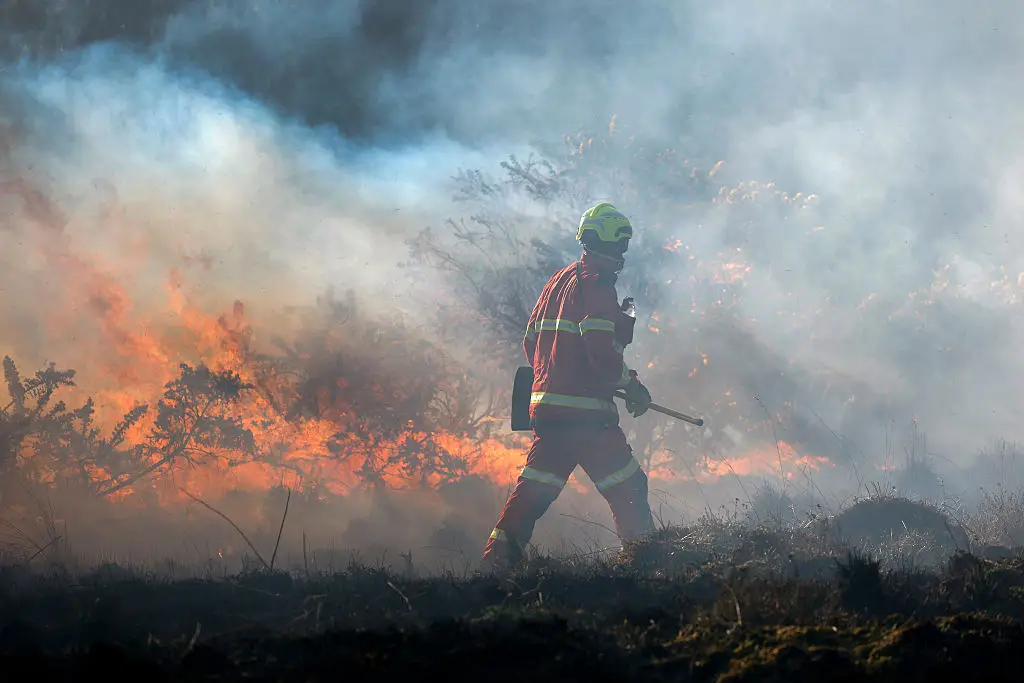
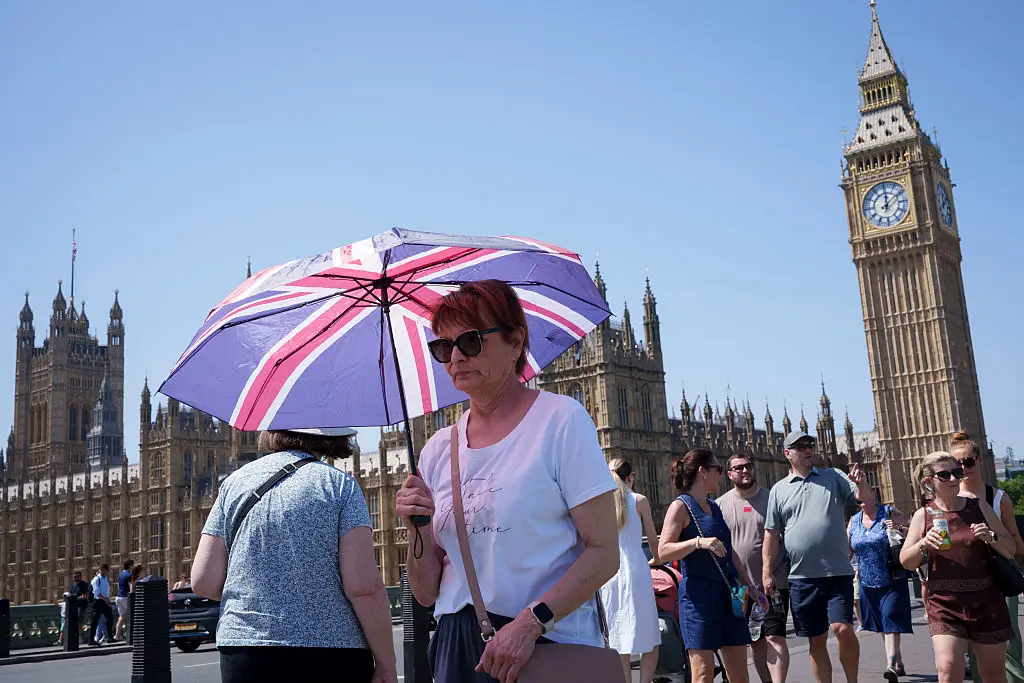
Europe hasn't been spared either: France reported fatalities, London logged a tropical night where temperatures refused to drop below 20°C, and even Scotland caught fire.
But beyond the headlines and the record numbers, there's a more immediate question: what is heat like this actually doing to people?
Advert
What happens to your body in extreme heat
The number on a thermometer only tells part of the story. Humidity tells the rest. The human body cools itself through sweat, but humid air, already saturated with moisture, slows evaporation dramatically.
When that process is disrupted, the body keeps heating. Core temperature climbs. Heatstroke sets in, and without rapid cooling and urgent medical care, it kills.
The thresholds are more alarming than most people realise.
For older adults, 35°C combined with 90% humidity is as deadly as standing in 45°C dry heat.
Even healthy adults between 18 and 35 face serious risk at 45°C with 40% humidity. Deaths and hospitalisations triggered by extreme heat occur rapidly, often the same day or the day after - which means emergency responses have to be just as fast.
According to the World Health Organization, heat stress is a leading cause of weather-related death and can worsen a wide range of underlying conditions, including cardiovascular disease, diabetes, respiratory illness, and kidney disease.
Heatstroke itself is classified by the WHO as a medical emergency with a high fatality rate. Between 2000 and 2019, approximately 489,000 heat-related deaths occurred globally each year.
Who is most at risk - and why it's getting worse
The WHO warns that vulnerability to heat is shaped by both physical and social factors. Outdoor workers, the elderly, people in low-quality housing, and those without access to cooling are disproportionately exposed.
Heat-related mortality in people over 65 increased by approximately 85% between 2000–2004 and 2017–2021.
Cities are also part of the problem. Urban areas trap and generate heat, and the loss of green space combined with materials like metal roofing amplifies exposure further.
Speaking to India Today, Gavin Schmidt, Director of the NASA Goddard Institute for Space Studies, puts it bluntly: "Things are continuing to get worse. For us to stabilise global warming, even at the level it is now, effectively we have to get to net zero. We have to stop emitting carbon dioxide into the atmosphere. And that's a huge challenge. So that isn't going to happen any time soon. And so while that's not happening, temperatures are going to increase and the extremes are going to become more extreme."
He added: "If you're making plans based on what extreme weather was doing in the 1980s, then you're way out of date with what's actually going to happen."
World Health Organization heat advice
The World Health Organization has issued guidance on protecting yourself during extreme heat events.
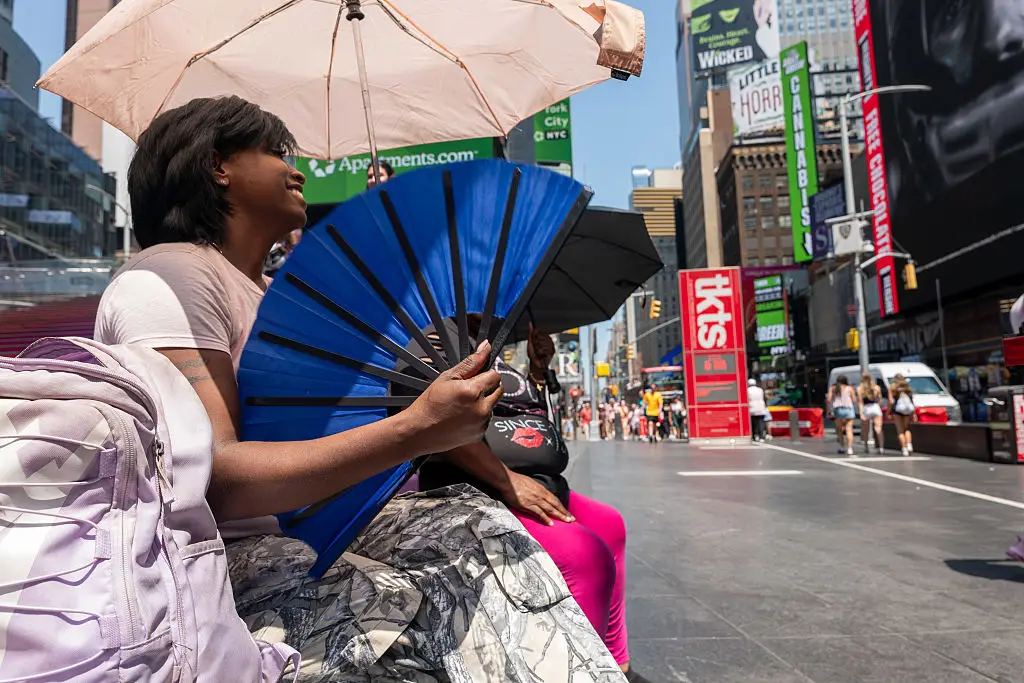
Key advice includes avoiding outdoor activity during the hottest parts of the day, staying in shade or a cool environment for at least two to three hours, and drinking at least two to three litres of water daily.
At home, the WHO recommends closing windows and blinds during the day when outdoor temperatures are higher than indoors, and only using electric fans when temperatures are below 40°C - above that threshold, fans can actually make things worse by pushing hot air across the body.
Never leave children or animals in parked vehicles under any circumstances.
Schmidt's summary leaves little room for reassurance. "We still haven't really started reducing the amount of carbon dioxide in the atmosphere. And until we do, we have our foot on the accelerator pedal of global warming."
Topics: Climate Change, Science, Health
 Thomas Bamford