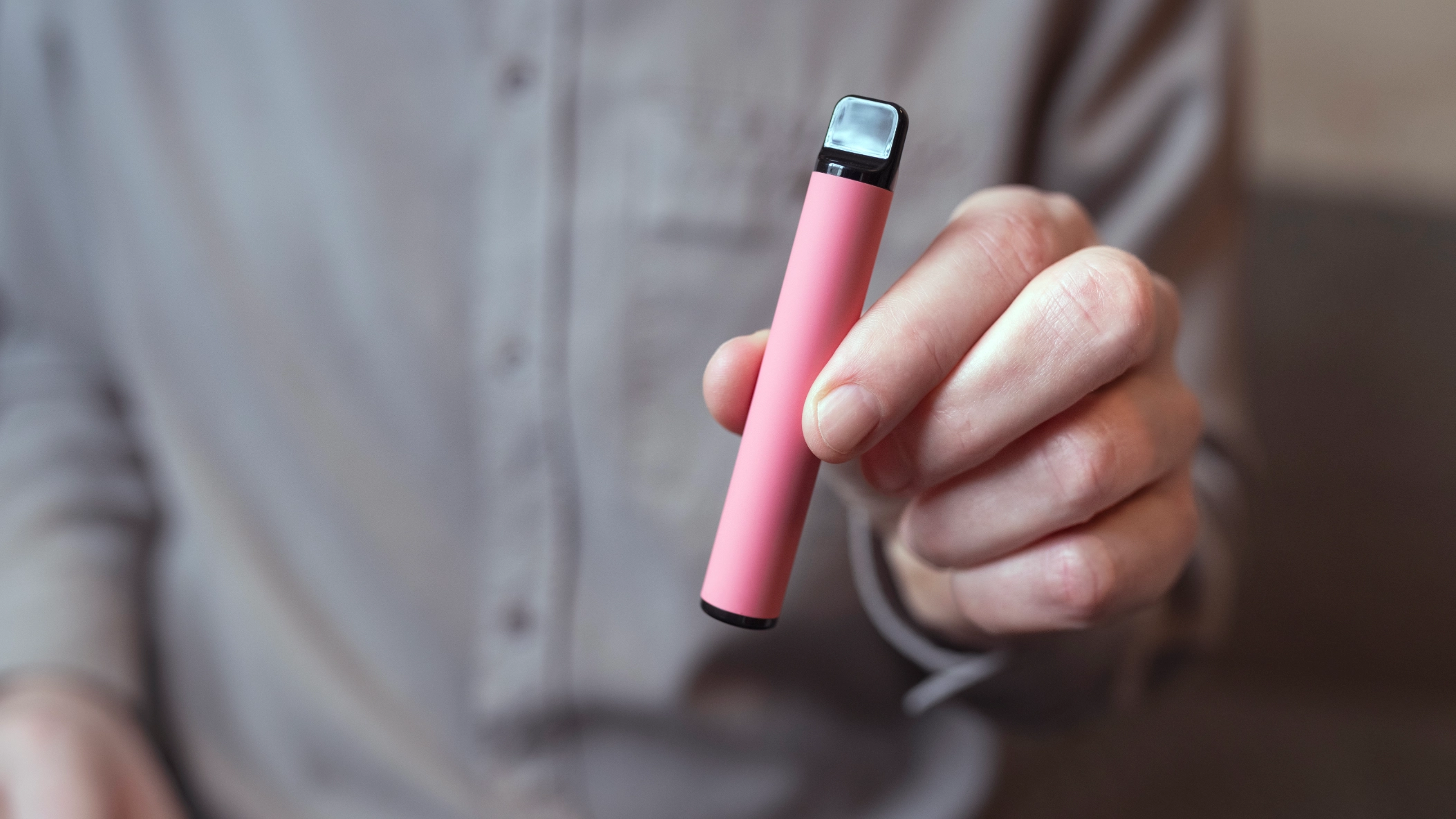
Warning issued to anyone choosing one vape flavor as study reveals it may have greater risks

A warning has been issued regarding a certain variation of vapes following a recent study looking into the damages they can cause.
Vaping was long seen as healthier alternative for smoking and was often taken up by tobacco smokers in an attempt to quit for good.
However, the reality is that many, especially Gen Z, have taken up vaping despite not being a smoker.
But as vaping hasn't been around for too long, it remains unclear at this time the long-term effects the smoking alternative can have on our health.
Advert
A study published in the journal Frontiers in Oncology uncovered that people who vape regularly show altered activity in 3,124 genes across the genome compared with those who don't vape or smoke.
Why is this important you ask? Well, changes in gene activity are often early warning signs of certain diseases such as cancer, heart and lung diseases.
While that was established, scientists wanted to uncover what exactly was causing these changes.
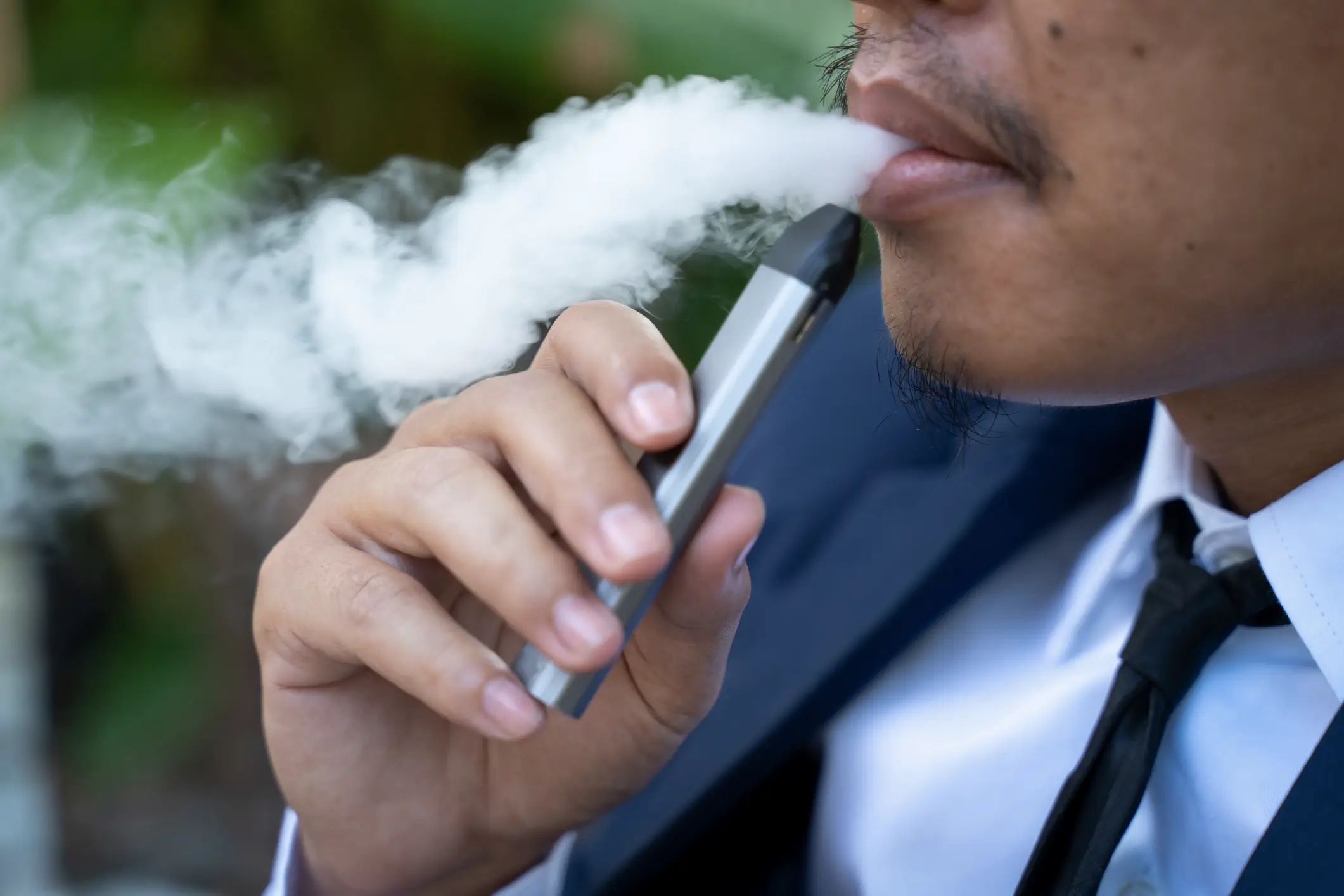
Professor Ahmad Besaratinia, senior author on the study said: "One major question still remains: what is driving these changes? Is it the act of vaping itself - or is it the intensity and duration of vaping, the characteristics of the products used, or some combination of these?"
The expert and his fellow team of researchers uncovered that a staggering two-thirds of changes in gene activity was down to vape flavour and device type.
As a result, Professor Besaratinia is urging regulators to urgently look into the health risks associated with certain flavors.
The concern comes with fruity vape options such as mango and watermelon, which were linked to changes in 31 percent of affected genes, according to the study.
If you compare that to 'sweet flavors', a 2.9 percent of affected genes, and mint or menthol offerings, a 0.9 percent affect, then you'll notice a stark difference.

"These product differences explained more of the variation in gene regulation than how much or how often people vaped," Besaratinia added.
The professor and his team are now looking further into their initial findings, involving the study of chemicals used in vaping liquid.
This should determine which compounds are linked to these gene changes.
"Once we identify these chemicals, policymakers could instruct manufacturers to either eliminate these chemicals or reduce their level in e-cigarette products to minimise potential harm," Professor Besaratinia added.
In the initial study, the team worked with 35 vapers, 24 smokers and 24 non-users to collect oral cell samples to form their findings.
 Callum Jones