
Symptoms of prostate cancer as study reveals how many times a man should ejaculate to prevent it

Here are the symptoms of prostate cancer to look out for after a study revealed how many times a man should ejaculate per month to help prevent the disease.
One in eight males will develop prostate cancer at some point in their lifetime, according to the American Cancer Society. Furthermore, over 35,000 people are expected to die from prostate cancer in the US this year.
Six in ten prostate cancers are diagnosed in men who are 65 or older, while the risk is said to be higher in African American men and in Caribbean men of African ancestry.
The American Cancer Society states that prostate cancer is the second-leading cause of cancer death in men, behind only lung cancer.
Advert
So, it's important to be aware of the symptoms to look out for, and thankfully, Mayo Clinic has outlined five symptoms of early prostate cancer.
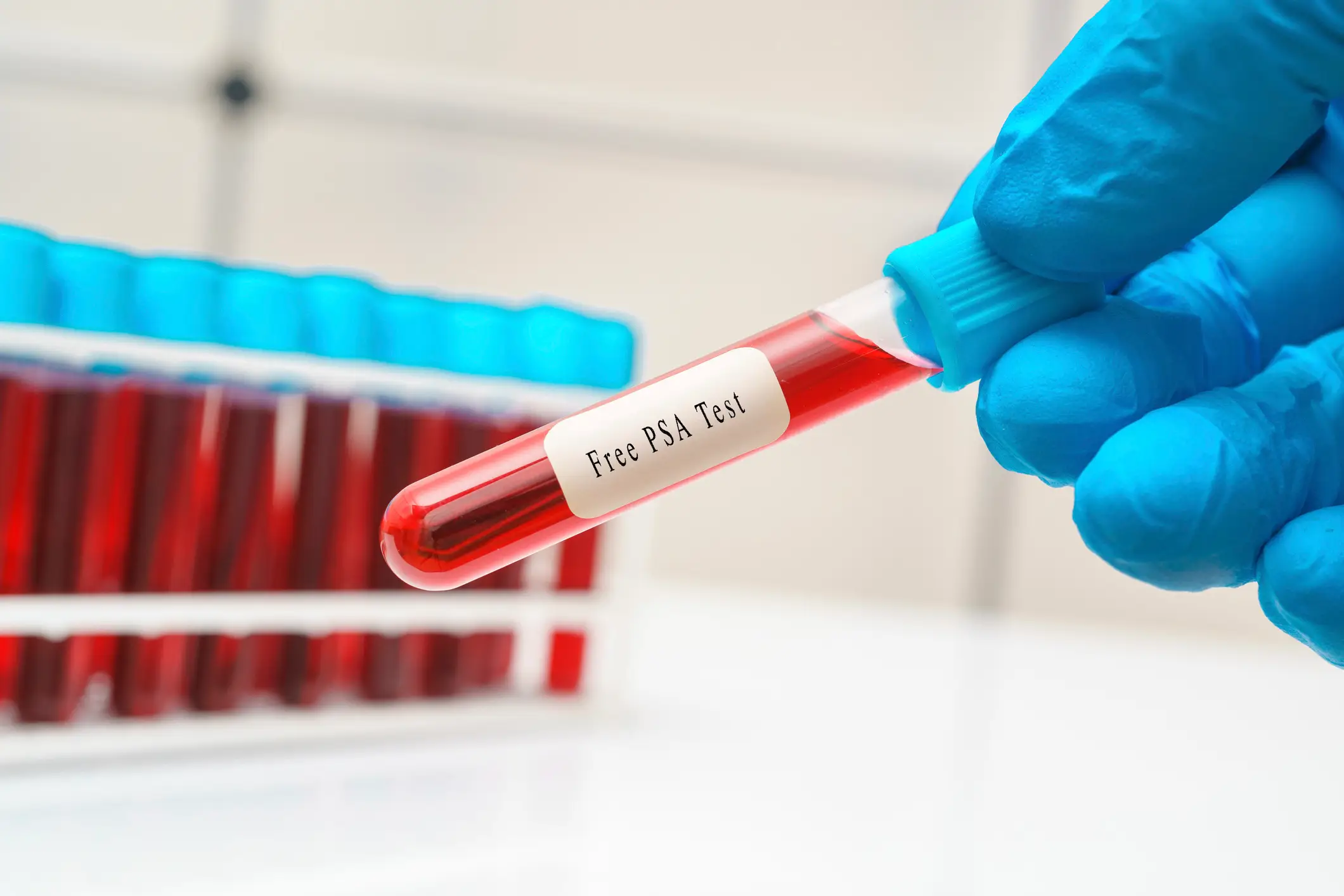
While most people may brush these toilet symptoms off as other health issues, it's important you book an appointment with your doctor if any come up.
Symptoms of early prostate cancer
As per Mayo Clinic, symptoms of early prostate cancer include:
- Blood in the urine, which might make the urine look pink, red or cola-colored
- Blood in the semen
- Needing to urinate more often
- Trouble getting started when trying to urinate
- Waking up to urinate more often at night
Advanced prostate cancer symptoms
Mayo Clinic adds that more advanced prostate cancer can develop differently. Potential symptoms include:
- Accidental leaking of urine
- Back pain
- Bone pain
- Difficulty getting an erection (erectile dysfunction)
- Feeling very tired
- Losing weight without trying
- Weakness in the arms or legs

Ways to reduce your risk of developing prostate cancer
Studies have found that ejaculating once every day can reduce your chances, with one study stating that having 21 orgasms a month reduces the risk of developing prostate cancer by a whopping 20 per cent.
Researchers at Harvard University made the discovery after studying 31,925 men, who filled out three questionnaires about ejaculation frequency between 1992 and 2010.
The survey, published in European Urology in 2016, stated: "We evaluated whether ejaculation frequency throughout adulthood is related to prostate cancer risk in a large US-based study.
"We found that men reporting higher compared to lower ejaculatory frequency in adulthood were less likely to be subsequently diagnosed with prostate cancer.
"These findings provide additional evidence of a beneficial role of more frequent ejaculation throughout adult life in the aetiology of PCa [prostate cancer], particularly for low-risk disease."
 Callum Jones