
Health expert explains 'crucial' habit that can help protect you from flu as US state reports 24,000 new cases

A health expert warns a 'crucial' habit we tend to abandon in winter can help us fight off the flu.
It might be the most wonderful time of the year, according to the Andy Williams Christmas classic, but it's certainly not for those of us struck down with influenza.
Flu season appears to have begun early this year, with the UK, Canada and Japan reporting sky-rocketing cases already.
The influx is driven by a strain called subclade 'K' of H3N2, a variant of influenza A.
Advert
Now, the US is seeing a surge in respiratory illness. New York has recorded more than 24,000 flu cases and almost 1,400 hospitalizations for the week ending December 6, as per the state's Department of Health.
In comparison, the same week last year saw 12,000 cases and around 850 hospitalizations.
While we can get vaccinated, ensure we get enough sleep and eat a balanced diet, there's another major way we can boost our immune system.
But because it's so dark and cold in winter, it often falls by the wayside.
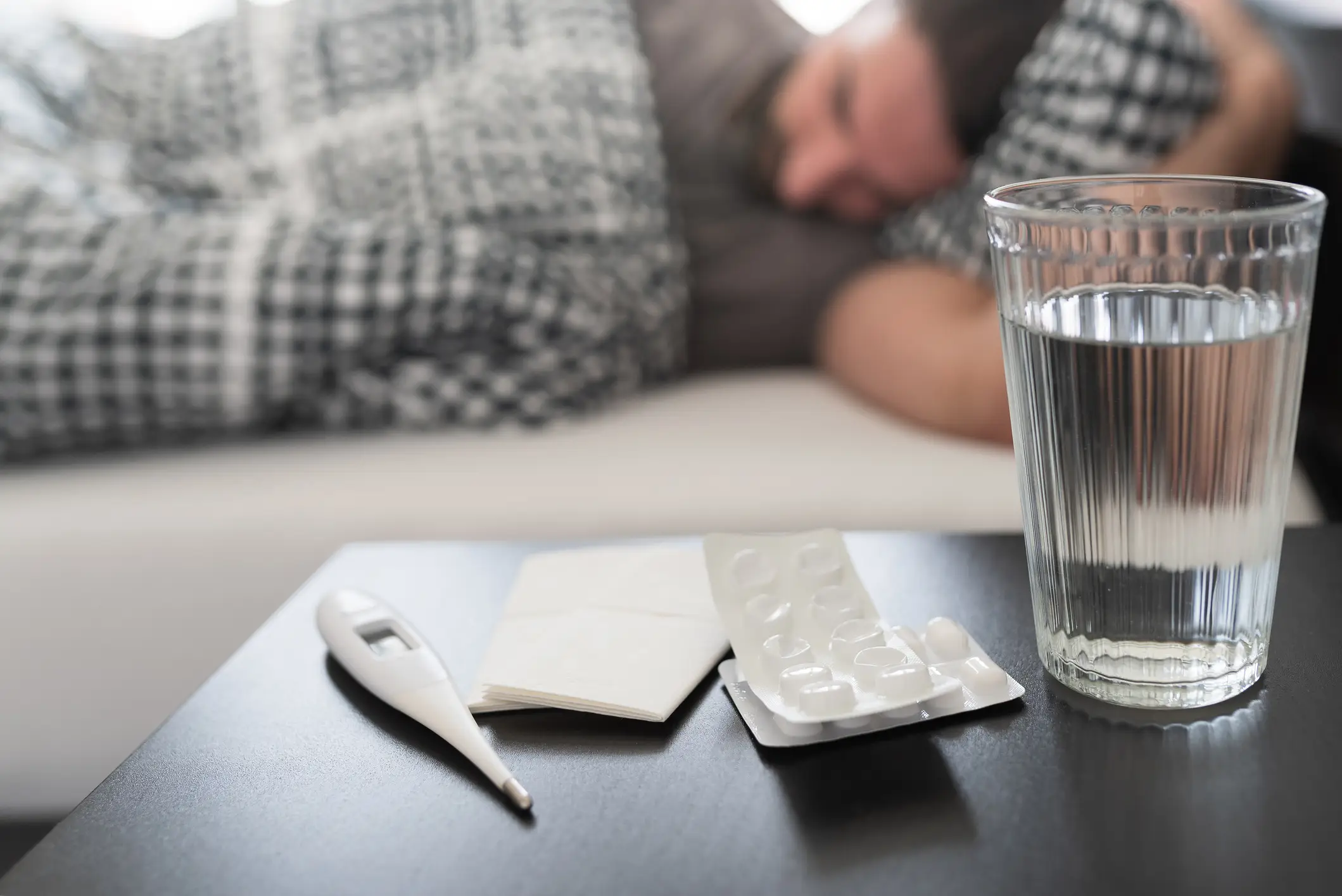
The fitness experts at Live Football Tickets teamed up with Kieran Sheridan, physiotherapist and founder of GulfPhysio, to highlight the over-looked lifestyle habit.
The very habit that tends to phase out of our routines each winter is exercise.
In fact, our overall movements reduce thanks to the cold weather, with a decrease in light activities, like slow walking and housework.
But then time spent sitting and sleeping increases - you can see how this becomes an issue.
We already know regular physical activity has its benefits, and they're needed even more in winter.
As the experts at Live Football Tickets explain, movement helps boost the production of mood-enhancing chemicals like endorphins and reduces stress hormones.
"While it can be hard to find the motivation to get up and move during the darker months, regular exercise, even quick stretches, can lift your energy and soothe anxiety," they add.
Not only that, but exercise can also help strengthen our immune systems.
"Staying sedentary further weakens your defences, leaving you more susceptible to colds, flu and other winter illnesses," the experts say.
"Even light to moderate exercise is crucial, as it allows immune cells to travel efficiently throughout the body, keeping your immune system strong and resilient all winter."
Top tips for exercising this winter
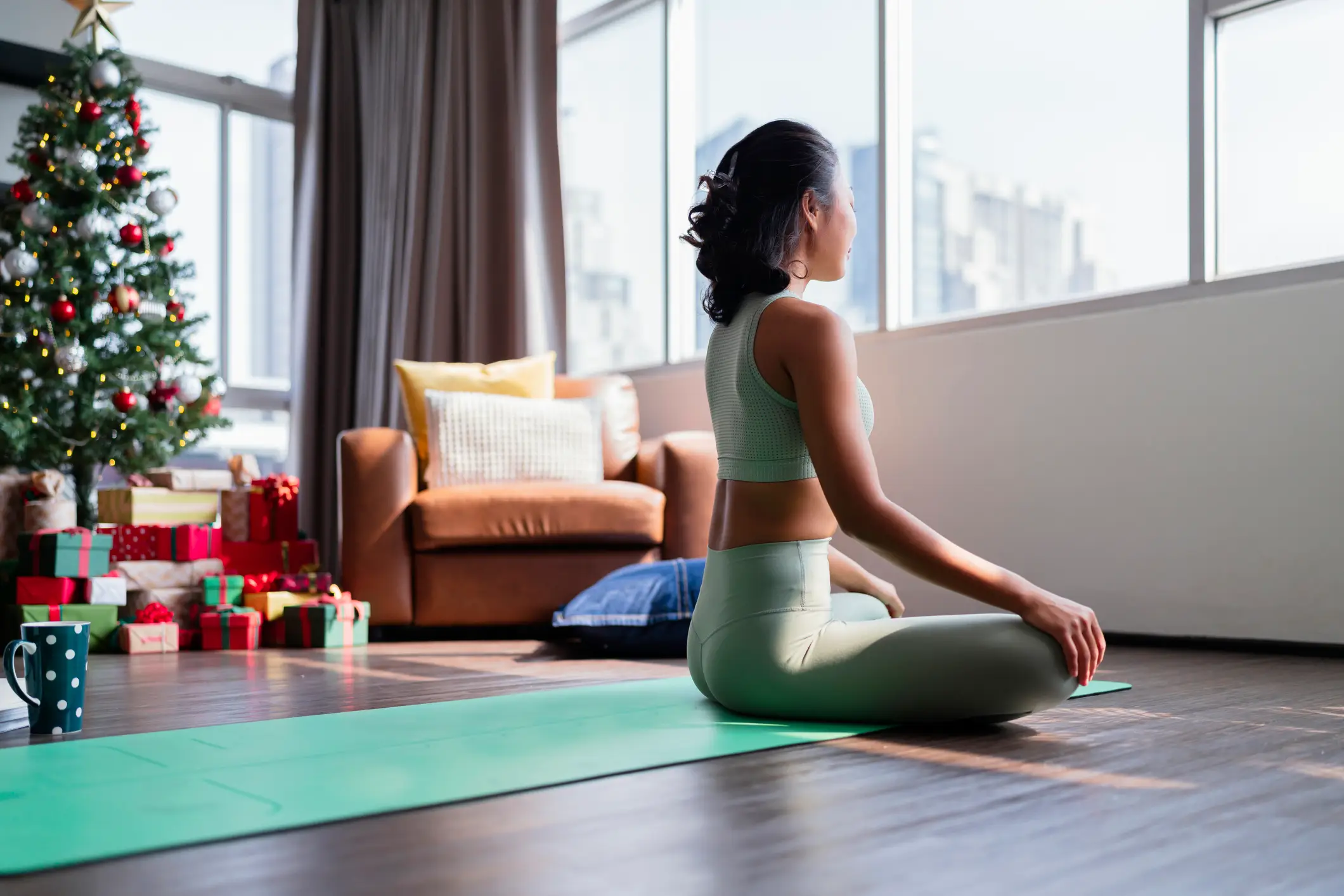
Physiotherapist Kieran shares some important tips to exercise safely this winter.
While motivation might be at an all-time low, reminding yourself why you're exercising is often a good way to get you up and moving.
And on that note, Kieran warns that we shouldn't be skipping our warm-ups.
"Cold weather can tighten muscles and joints, increasing the risk of injury if you jump straight into exercise," he says.
To ensure a 'proper' warm-up start with light movements like walking or gentle stretching, and pay special attention to areas such as your back, legs, and shoulders, which 'are prone to stiffness in the cold,' he adds.
Next, you should be prepared to adjust your workout plans according to the weather, especially if you're opting to exercise outside.
"If road conditions are wet or slippery from frost or rain, always assess the situation," Kieran says.
Swapping your daily run for an indoor activity like swimming, yoga, exercise bikes or strength training are all great alternatives.
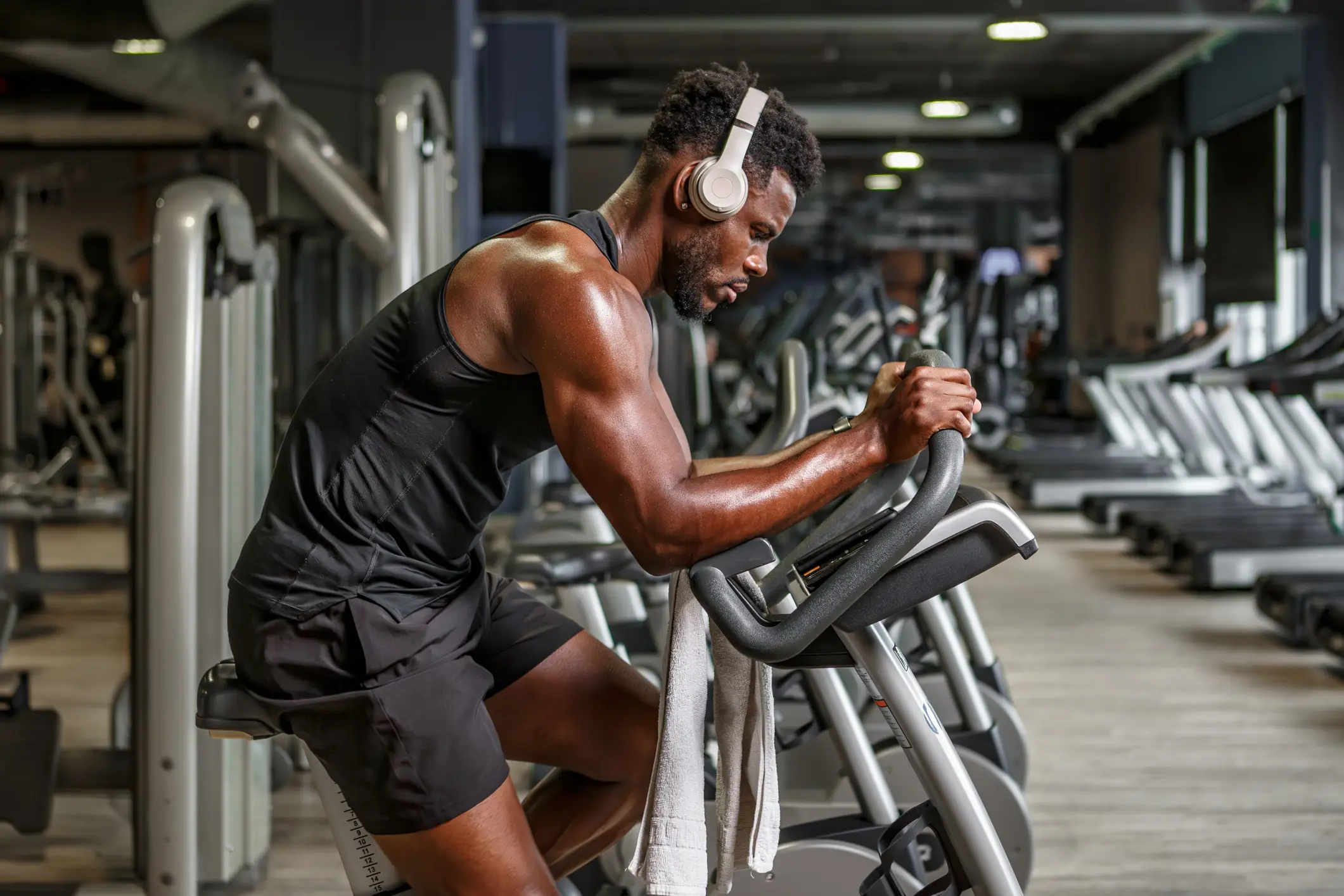
After all, some exercise is better than none!
If you are braving the elements outdoors, however, you should be properly equipped.
Kieran suggests wearing shoes with decent grip and avoiding icy and wet streets where possible.
Finally, the health expert warns cold weather can worsen joint pain, especially for those with conditions like arthritis.
To protect your joints, consider using supports such as knee braces or ankle sleeves.
Stretching regularly and using a foam roller can help keep your muscles flexible and prevent tightness around your joints.
"Also, don't forget to stay hydrated - drinking plenty of water helps keep your joints well-lubricated," Kieran adds.
 Ellie Kemp