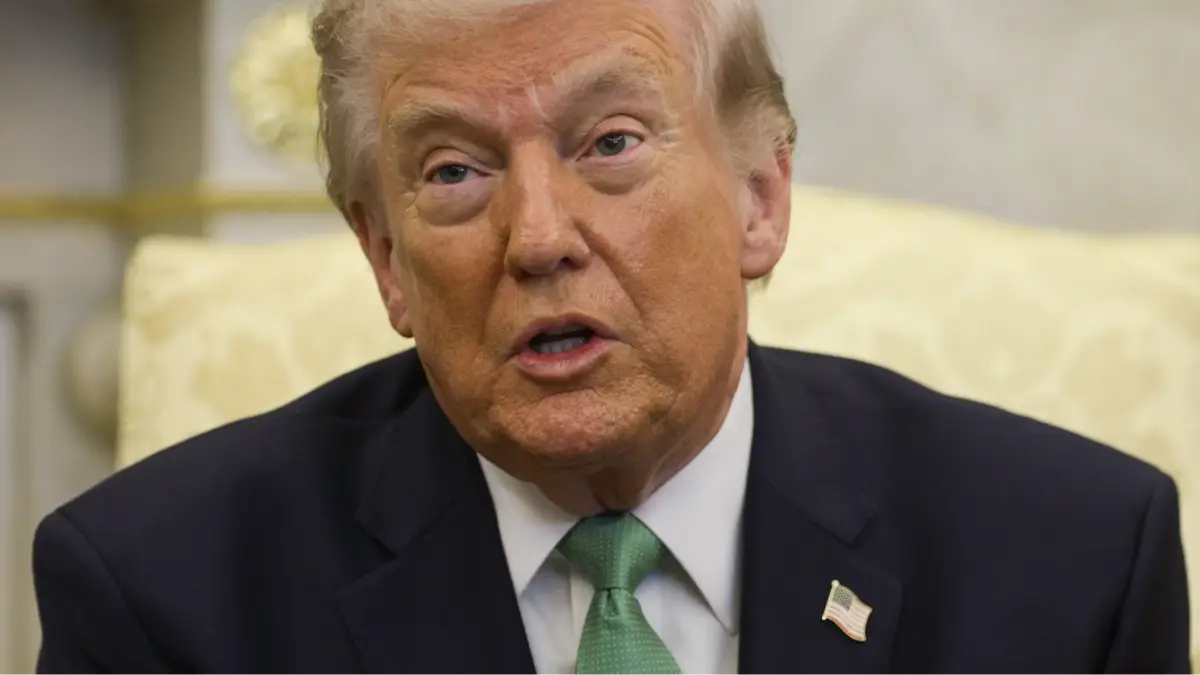
Likelihood of Trump 'taking over' Cuba after president threatens a potential move 'very soon'

It has been two weeks since the White House upended almost 50 years of geopolitical alignment in the Middle East by joining Israel's attacks on Iran which have wiped out the senior leadership of the Islamic Republic.
Doing so has achieved a long held goal of powerful figures in the US' security establishment, from Kissinger to Bush Sr. and Bush Jr., representative of President Trump's new foreign policy that has seen him leverage military might to topple another historic thorn in America's side.
This was the January 3 capture of Venezuela's President Nicolas Maduro and his wife, who are now locked up in New York's Metropolitan Detention Center facing disputed narcoterrorism conspiracy charges.
But it does not look like the White House is planning on stopping there in its new military adventurism, with the president heavily signalling that Cuba's leader is the next geopolitical adversary that America will attempt to remove from power.
Advert
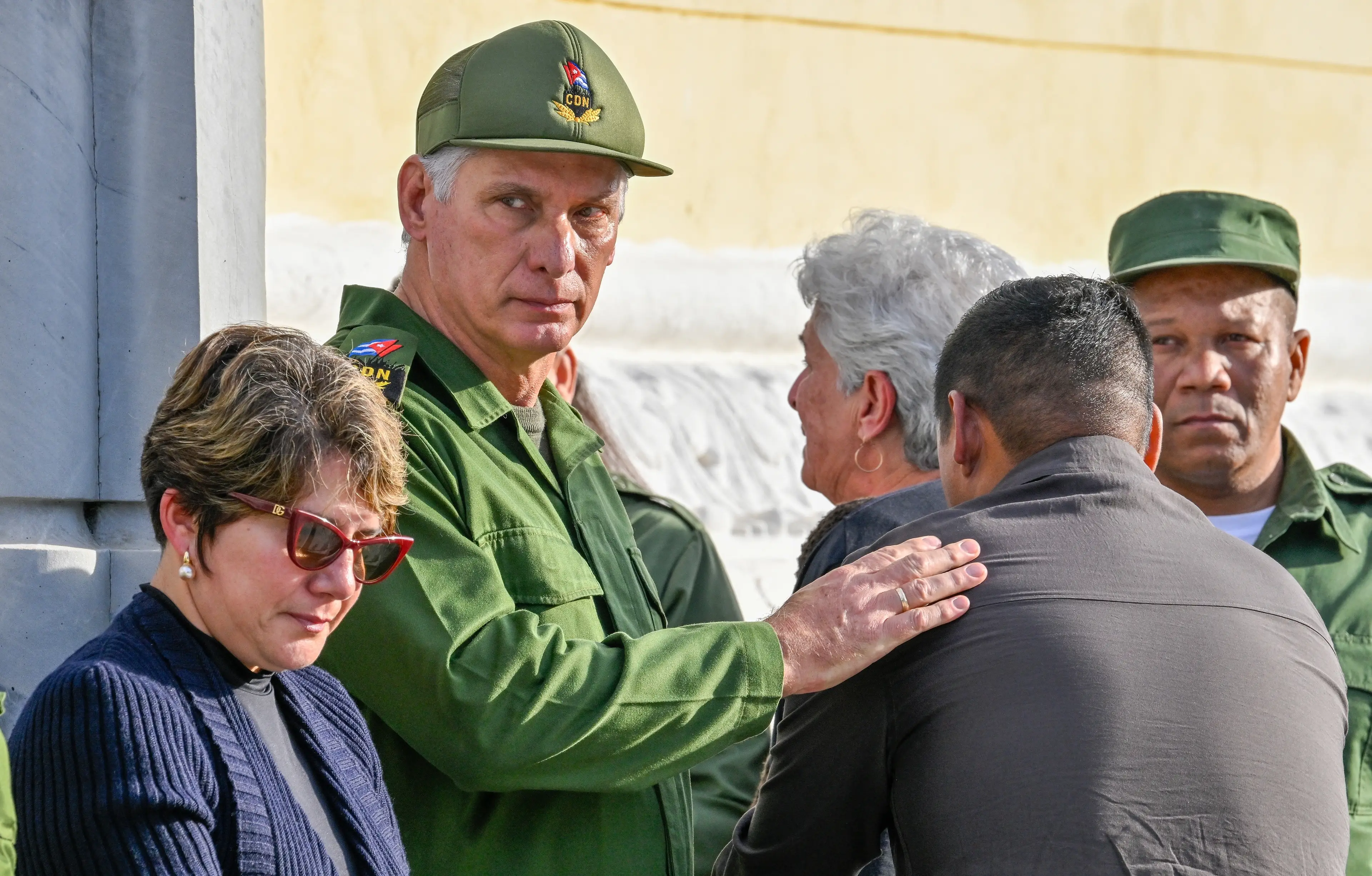
However President Miguel Díaz-Canel, who took over from Fidel Castro's brother Raul in 2018 and became the first non-Castro to lead the country since the end of the Cuban revolution in 1959, will be harder to remove from power.
The 66-year-old has marked a clear departure from his predecessors, often appearing in a suit and tie rather than the military fatigues worn by the Castro brothers, while remaining closely aligned to their Cuban form of Communism which focuses more heavily on the state control of national industries.
This has kept him allied to the functionaries who control many of these levers of the Cuban state, meaning that any strike or kidnap attempt on Díaz-Canel similar to Maduro is unlikely to bring down the Communist regime of the island - which the US tried to buy twice in the 19th century and invaded disastrously in the 20th.
But despite this, experts believe that President Trump is lining up to take 'aggressive' action against the Cuban regime, which has been significantly weakened by the loss of ally Venezuela and its sanction-breaking supplies of oil.
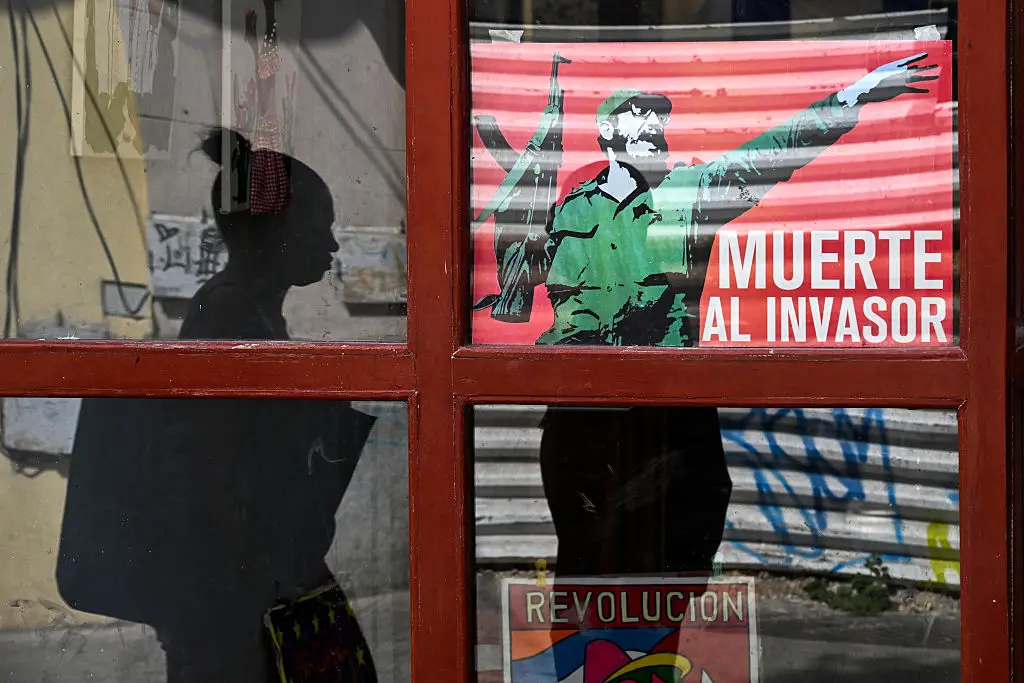
This has seen Cuba's oil supply fall by 60 percent since January and triggered widespread blackouts and protests across the country, already ravaged by aggressive economic embargoes that were reinstated by Trump in his first term.
"Trump will move ASAP. The social costs, like putting the people of Cuba under duress, have become too high," a diplomat with intimate knowledge of the Caribbean island's affairs told the Daily Mail.
That same source said that the president was 'obsessed' with regime change in Cuba, which has been apparent to anyone following his public comments on the 'severely weakened' country.
Trump told reporters this week: “You know, all my life I’ve been hearing about the United States and Cuba. When will the United States do it?"
He added: “I do believe I’ll be … having the honour of taking Cuba. Whether I free it, take it – think I could do anything I want with it. You want to know the truth. They’re a very weakened nation right now.”
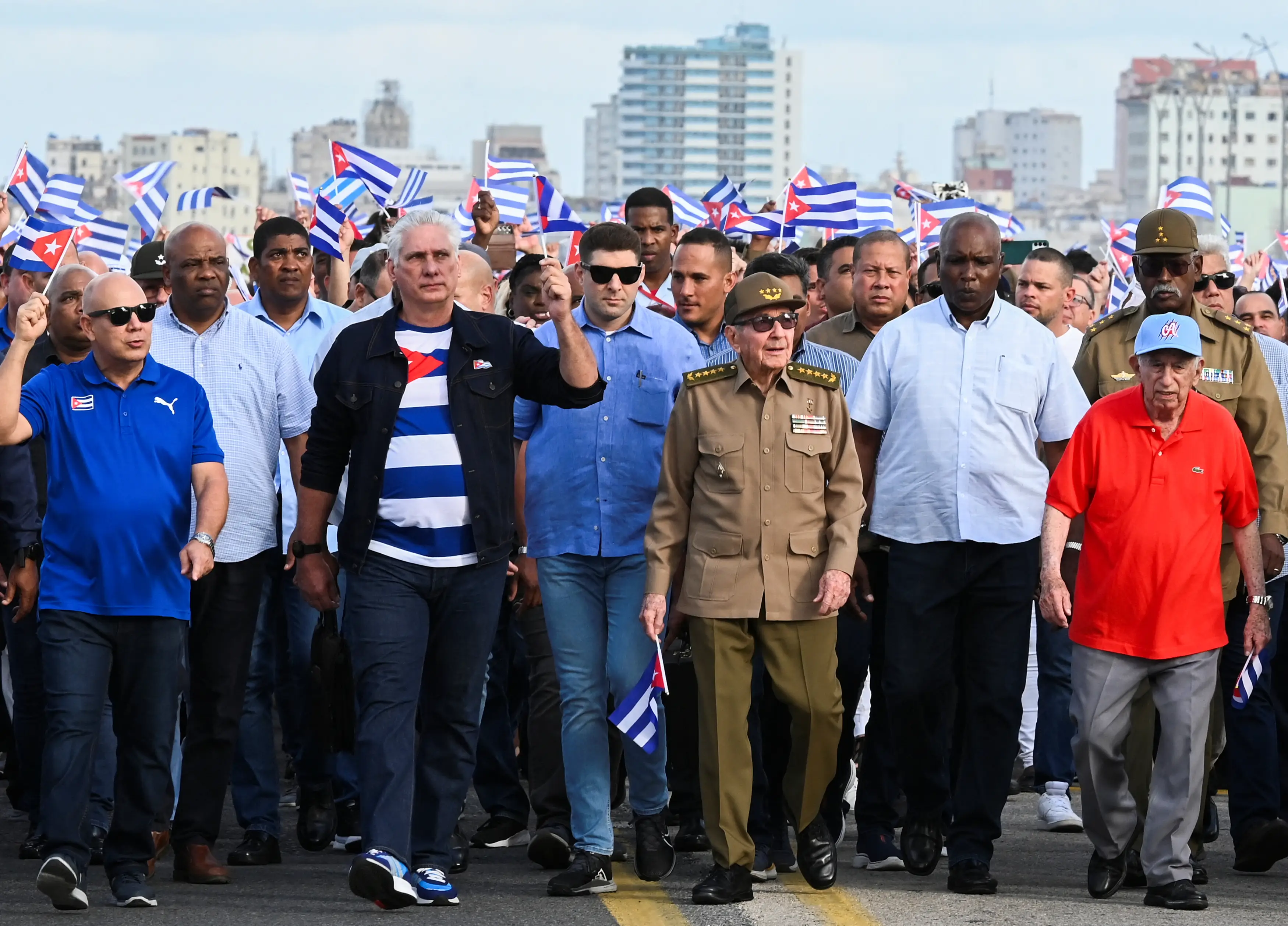
The president's comments came as multiple sources confirmed to the New York Times that the White House had directed Cuban officials to remove their leader from power, an order that apparently fell on deaf ears.
With his country under ever-greater strain and the threat or regime change, President Díaz-Canel argued: “Only in this way can the fierce economic war be explained, which is applied as collective punishment against the entire people.
“In the face of the worst scenario, Cuba is accompanied by a certainty: any external aggressor will clash with an impregnable resistance.”
But with blackouts across the country due to Cuba's last source of foreign oil being taken out by the US, some analysts believe that organized cadres of comrades will do little to stem the tide of change on the island.
Speaking to Metro, William LeoGrande, a professor at who has tracked Cuba for years, said: "The Cuban government doesn’t have the hard currency to import spare parts or upgrade the plant or grid itself. It’s just a perfect storm of collapse."
Topics: Donald Trump, Military
 William Morgan