Expert reveals risk factors for 'silent killer' cancer and claim it's getting worse

Cancers account for 618,000 deaths in the US every year, and while there are some that are more common than others, there is cancer type that’s easy to miss, yet increasing in the population.
With the National Institutes of Health dubbing the figures as ‘estimated’, the toll is only projected to increase this year to 626,140, according to Wiley.
But with symptoms that the Mayo Clinic notes as including common ailments like back pain, stomach pain, weight loss, and then heavier symptoms like jaundice and floating stools, by the time it’s recognized as signs of cancer – it could be too late.
Pancreatic cancer typically develops silently, and once it’s making itself known, it’s likely to have spread.
Advert
According to Ade Williams, Pharmacist Ambassador for Pancreatic Cancer Action, there are some risk factors you should be aware of as the crisis appears to be getting worse.
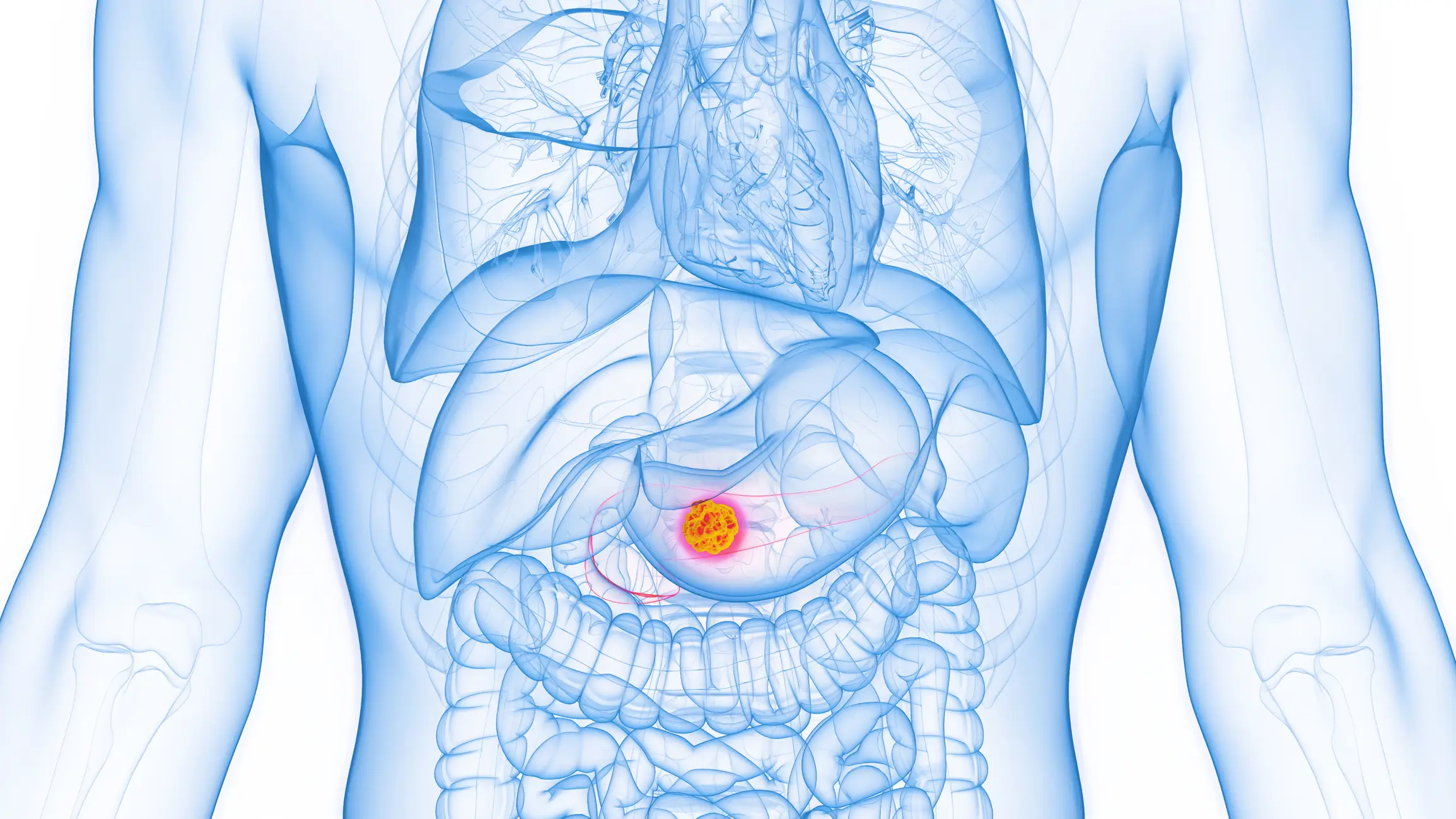
Per the American Cancer Society, about 67,530 people (35,190 men and 32,340 women) will be diagnosed with pancreatic cancer this year, and sadly, most won’t make it (27,230 men and 25,510 women).
With a high chance of death, prevention is key when it comes this cancer type, and there are plenty of things you can do to lower your chances.
Smoking and alcohol
According to Dr Williams, who spoke with the Daily Mail: “We know smoking is a risk factor for many cancers – but studies also show smokers are about twice as likely to develop pancreatic cancer compared to non-smokers.
“Smoking and drinking often go hand in hand, which can inflame the pancreas and, over time, damage the organ," he added.
Alcohol can directly harm the pancreas by triggering its digestive enzymes prematurely, leading it to begin digesting its own tissue.
After some time, this can lead to chronic pancreatitis, which can increase the risk of developing cancer.
“Years of smoking and drinking can damage pancreatic cells and lead to chronic pancreatitis,” said consultant surgeon and trustee of Pancreatic Cancer Action, Neville Menezes, who told the outlet: “This can set off a chain reaction that increases the risk of cancer.”

Obesity
Not only are bad habits like smoking and alcohol potentially fueling cases, excess weight and poor diet may also contribute.
According to the National Institutes of Health, nearly one in three adults in the US are overweight (30.7 per cent).
Aside from cancer, excess weight is known to be a risk factor in many diseases, like Type 2 diabetes, heart disease, stroke, and more.
But it’s more about the type of fat you have that counts.
Williams says: “Excess visceral fat – the fat stored around internal organs – places stress on the pancreas. Losing just five to 10 per cent of your body weight can significantly reduce this strain.”
Menezes added that certain diets can increase the damage to the pancreas, explaining: “Saturated fats found in meat – particularly heavily processed products – can negatively affect pancreatic health. Processed red meats, such as bacon and burgers, are linked to digestive issues and harmful changes at a cellular level.
“These effects are driven by high fat and protein content, chemical preservatives, and the formation of toxic compounds during digestion and high-temperature cooking – all of which can lead to inflammation and increase chronic disease risk.”
Weight loss jabs
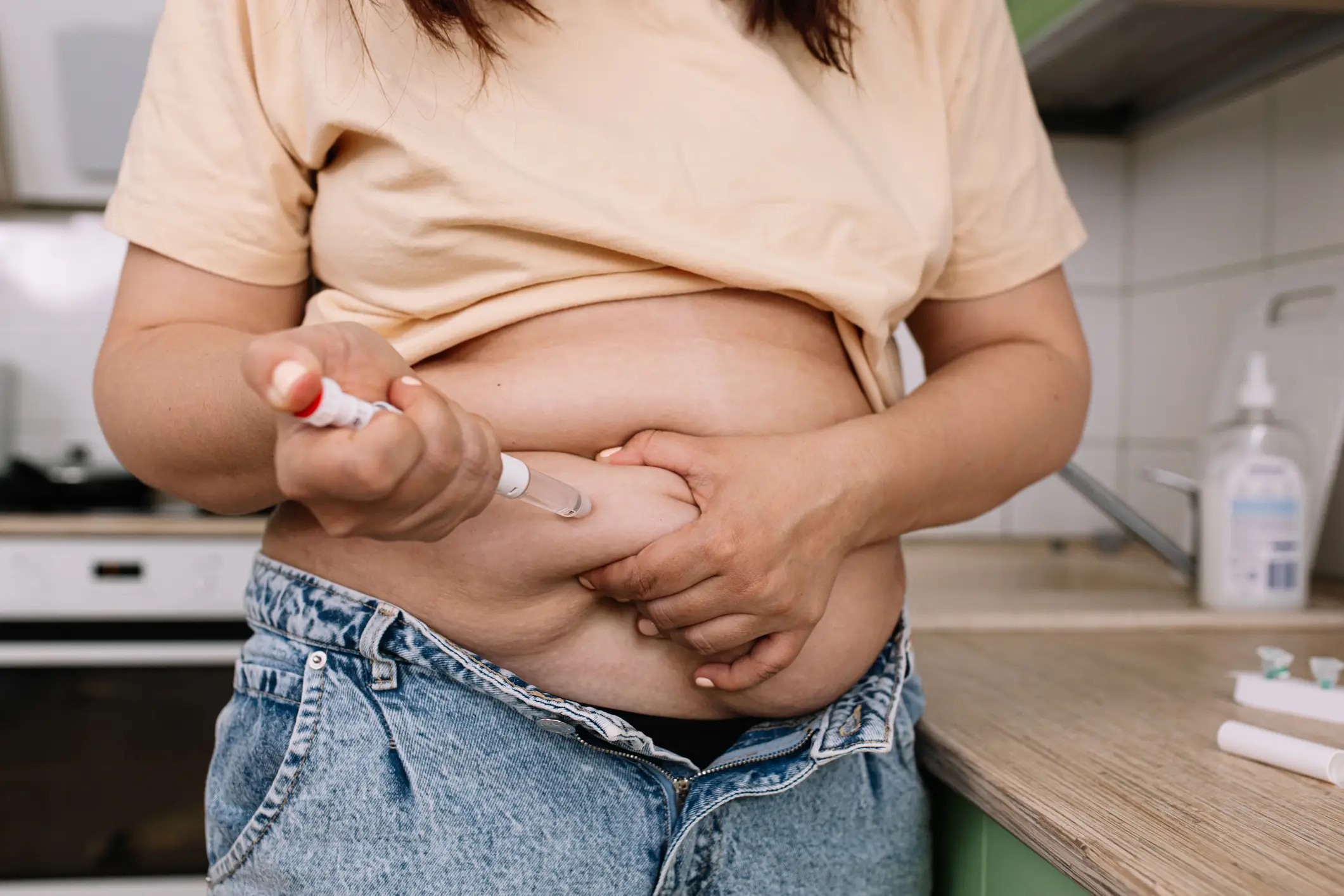
On the flip side, losing weight via weight loss jabs could also put strain on the pancreas.
There has been a lot of speculation about this, and while research is shaky, one historic 2024 study determined that GLP-1s did not increase the likelihood of pancreatic cancer in patients with Type 2 Diabetes.
It concluded: “In this historical cohort study of adults with type 2 diabetes, no support for an increased pancreatic cancer incidence over 7 years following start of GLP-1RA treatment was found. However, monitoring for pancreatic cancer risk beyond 7 years following initiation of therapy is still required.”
But if you’re worried – it's best to speak to your doctor before starting the medications.

Dehydration
Drinking water is part of every health recommendation out there, with doctors often suggesting six to eight glasses of liquids per day to keep the body hydrated.
But it’s something many struggle with.
“Dehydration can affect pancreatic enzyme production, slowing digestion and nutrient absorption,” Williams said.
He added: “Think of your body as an engine – drinking water keeps it running efficiently. Even if you're active and eat well, insufficient hydration puts extra strain on your body.”
Genetics
Sometimes, you’re born predisposed to being at risk of the cancer type due to genetic problems, like having the BRCA1, BRCA2, and PALB2 genes,
This can be seen in people who have Peutz-Jeghers, FAMMM and Lynch Syndrome.
However, most pancreatic cancers are sporadic.
While the prevalence of pancreatic ductal adenocarcinoma, an aggressive form of pancreatic cancer, is said to be driving the increase in cases – there's hope.
Scientists from the Spanish National Cancer Research Centre (CNIO) made history after they wiped out pancreatic tumors from lab rats and detailed how it happened in the Proceedings of the National Academy of Sciences (PNAS).
The scientists wrote in the study: "These studies open a path to designing new combination therapies that can improve survival for patients with pancreatic ductal adenocarcinoma [the most common pancreatic cancer].
“These results point the way for developing new clinical trials.”
 Britt Jones