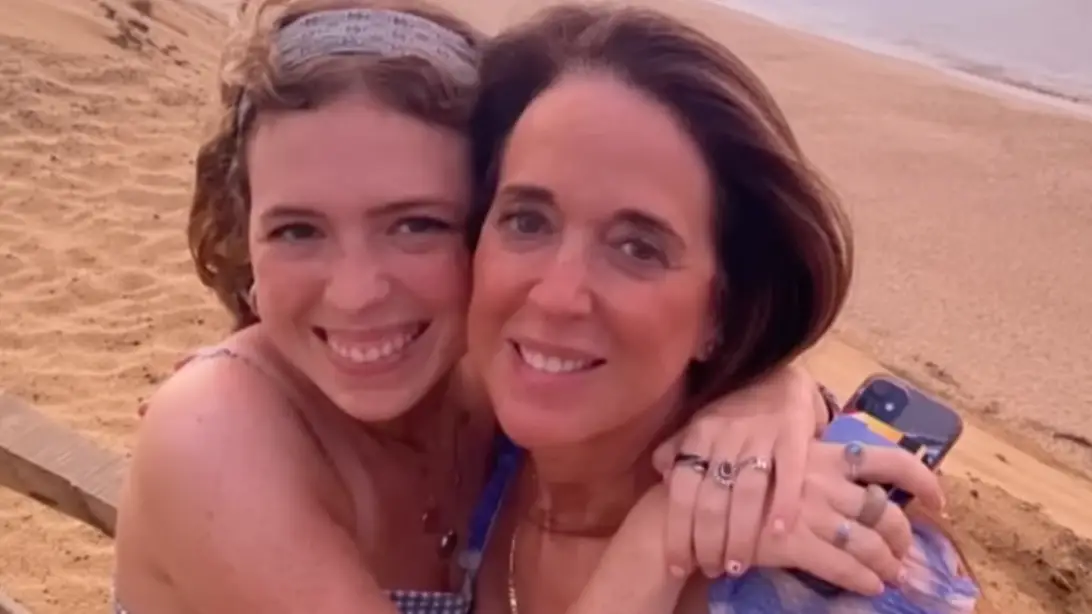
Parents of student who died from 'caffeine' call for reform on energy drinks

The parents of a 21-year-old student have called for reform on energy drinks following the tragic loss of their daughter, who died in 2022 after consuming a high-caffeine beverage at a restaurant.
Sarah Katz, from New Jersey, had always lived a cautious life after being born with a serious heart condition, which made her wary of things that could trigger it.
She avoided rollercoasters, team sports, and even skipped coffee, despite being allowed to drink it in moderation.
The student suffered from Long QT syndrome, a genetic or acquired heart rhythm disorder that causes an abnormally long, delayed electrical recharge between beats, a deformity which can lead to life-threatening arrhythmias, fainting, or sudden death. It affects around 1 in 2,000 people in the US.
Advert
With her health her top priority, Sarah had consistently taken her daily nadolol, a beta-blocker to keep her heart rate low, and religiously avoided things her doctors said could worsen her condition, one of those being energy drinks.
So when the 21-year-old died after suffering cardiac arrhythmia, her bereaved parents were left shocked and horrified, insisting that Sarah would never intentionally have gone against her doctor's instructions.

After her sudden death, Sarah's parents filed for a wrongful death lawsuit against Panera Bread, the restaurant chain that allegedly served their daughter the 30-ounce Charged Lemonade, which they believe induced her death.
It was the first of several lawsuits filed in relation to the chain's Charged Lemonade.
A new report by the New York Post revealed that Sarah's parents had taken their advocacy to Capitol Hill, and in January 2024 they partnered with Robert Menendez, a congressional representative hired to draft the bipartisan Sarah Katz Caffeine Safety Act.
The act would require more explicit labels to be stuck onto energy drinks, as well as requiring that restaurants have warnings attached to drinks containing more than 150mg of caffeine.
The drink that Sarah's parents allege killed her contained 390mg of caffeine, just 10mg shy of the maximum daily intake recommended for adults. The beverage contained more than both Red Bull and Monster Energy combined.
According to the lawsuit, the drink had been advertised alongside 'noncaffeinated and/or less caffeinated drinks'. Shortly after consuming the lemonade, Sarah collapsed and went into cardiac arrhythmia.
Paramedics were called, but sadly arrived too late to save her life.
Sarah, who was a student at the University of Pennsylvania, had had previous scares. At the age of five, she suffered a seizure during a swim lesson and was rushed to a nearby hospital.
Her mother, Jill, recalled the doctor telling her how ‘lucky’ she was.

“Very often the first episode is death,” she told the outlet.
Afterwards, her parents were warned that while her condition was manageable, Sarah would need to take her medication and avoid triggers, caffeine drinks being one of them.
Since her death, Sarah's mother has been campaigning for better regulation of caffeine drinks. There is currently no federal age requirement to buy energy drinks in the US, though some states do impose their own restrictions.
Medical experts have long warned about the negative impact of such drinks, urging regulators to impose tighter restrictions on their sale. Panera Bread has since removed the Charged Lemonade from its menu.
Sarah would have celebrated her 25th birthday this April.
UNILAD has reached out to Panera Bread for comment.
 Alice Wade