
Expert issues warning about the risks of using the wrong size condom

A sex and relationships expert has warned that the wrong condom size could be putting people at far greater risk than they realise, while also explaining why so many couples find sex with protection unsatisfying.
Gemma Nice, a sex and relationship coach working with Condoms.uk, says the issue almost always comes down to fit rather than the product itself.
According to Nice, a huge number of people who claim "condoms don't work for them" have simply never worn one that actually fits properly, and the difference correct sizing makes can be significant.
"The issue is sizing, not condoms themselves," she explained, adding that the problem is made worse by the fact most buyers have no way of testing fit before purchase.
Advert
"Unlike most health products, condoms are almost never tried before purchase and rarely come with sizing guidance at point of sale," she said, meaning "the burden of getting the fit right falls entirely on the buyer, usually without them realising it."
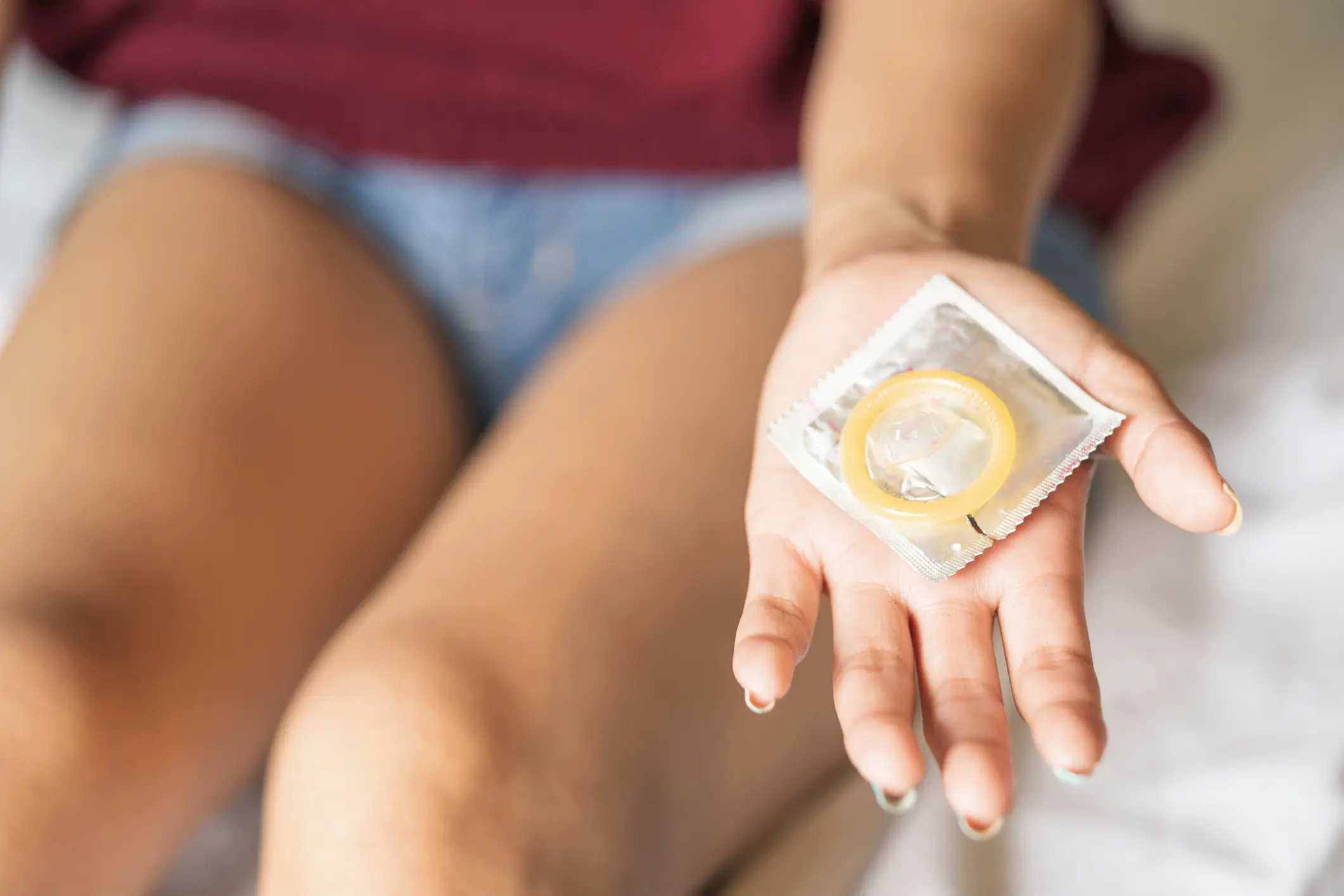
Why a too-tight condom could be putting you at risk
Nice explained that a condom which is too small or tight can restrict blood flow, which directly affects arousal and sensation during sex.
The excess pressure placed on the material also increases the likelihood of micro-tears occurring during use, she said, tears that "may not be immediately visible but compromise protection."
She added that overly tight condoms are also more likely to snap during removal specifically, which raises the risk of exposure to bodily fluids "at the point most people assume the risk is already over."
Discomfort caused by an undersized condom is also one of the most commonly cited reasons men give for avoiding protection altogether, according to Nice, meaning incorrect sizing can directly influence whether people use condoms at all, rather than simply how comfortable the experience feels.
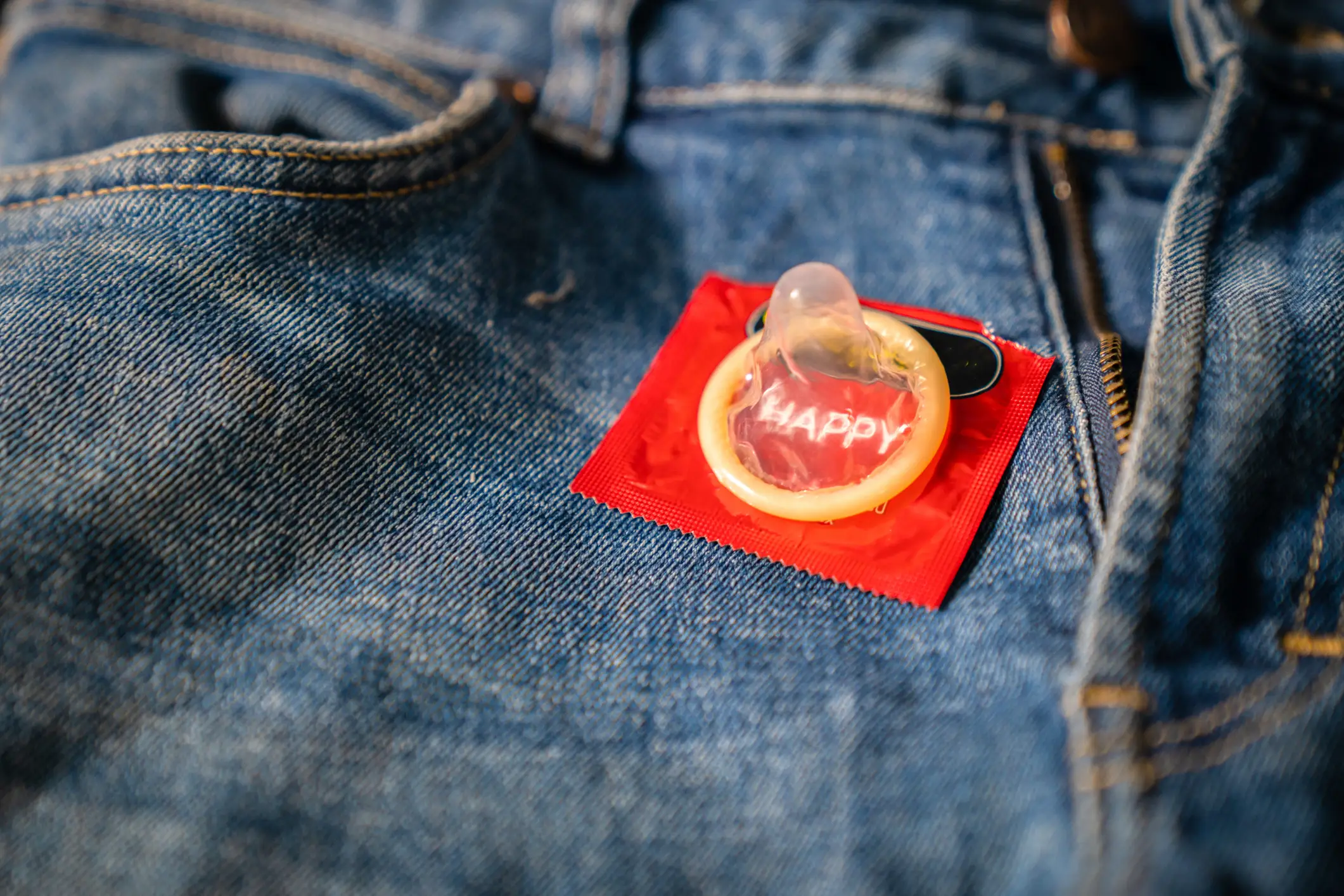
The dangers of wearing a condom that's too loose
On the opposite end of the scale, Nice warned that a condom with too much excess material can bunch up during sex, significantly reducing sensation for both partners involved. More seriously, she said loose-fitting condoms risk slipping during sex without either partner noticing, potentially remaining inside one partner after withdrawal and "defeating its purpose entirely."
Nice also pointed out that the air pockets created by excess material in a loose condom increase the chances of it breaking under friction during use, adding another layer of risk on top of reduced effectiveness for both partners involved.
Her comments come amid wider conversations around sexual health education, with experts increasingly highlighting that correct sizing, rather than condom quality, may be behind many people's negative experiences with protection, and that getting it right could make a meaningful difference to both safety and satisfaction in the bedroom.
Topics: Health, Sex and Relationships
 Thomas Bamford