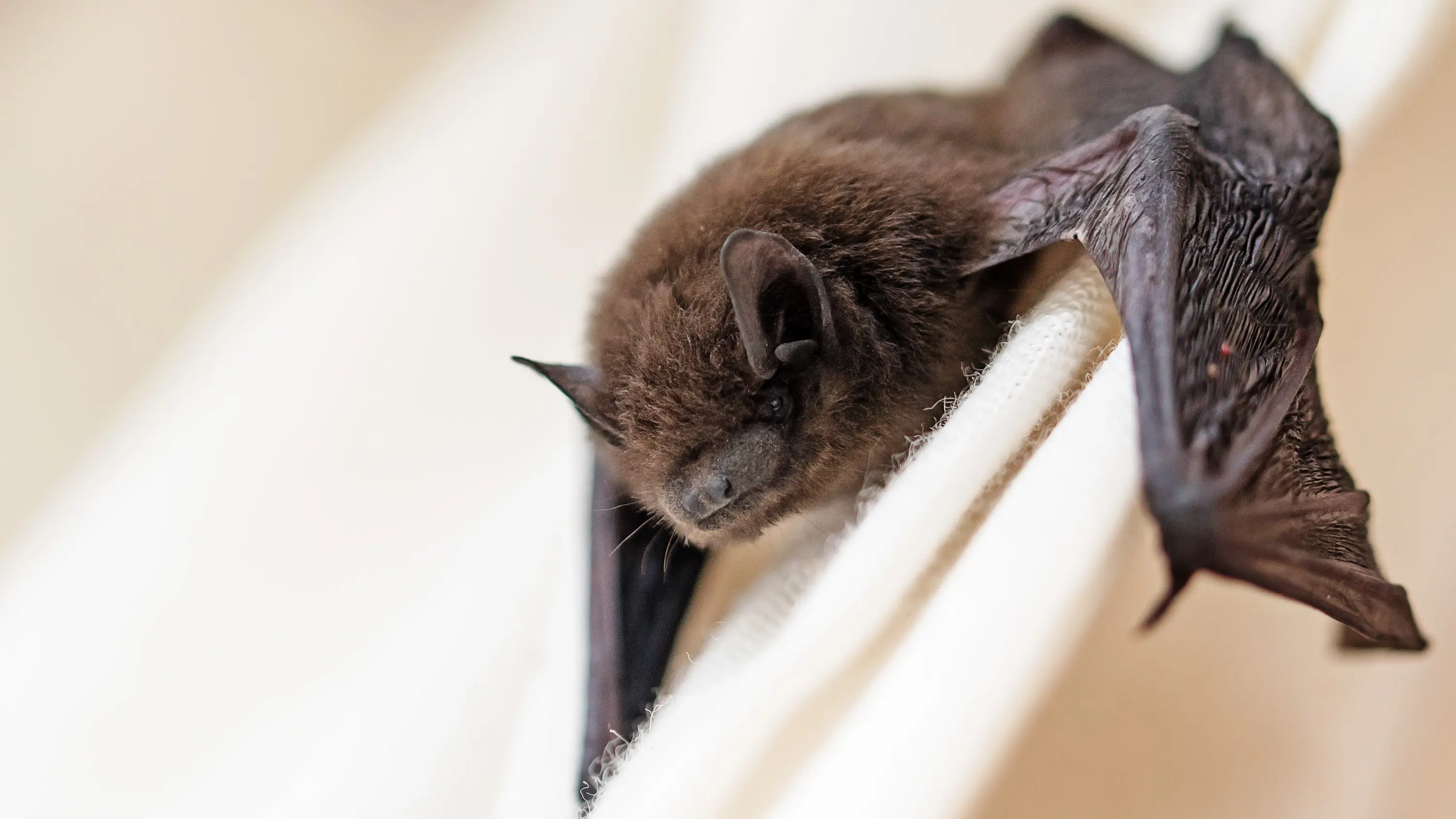
Boy, 11, dies from rabies after bat lands on face as experts warn he wasn't bitten

An 11-year-old boy sadly died after contracting rabies, despite experts saying he wasn’t bitten by the contaminated bat.
The Canadian Medical Association Journal (CMAJ) has since shared the boy’s case in its June 29 article, in a bid to help prevent similar incidents.
It all began after the unnamed boy woke up to a bat lying on his nose and mouth inside of a cottage in northern Ontario, where he and his family were staying during the summer of 2024.
Despite moving the bat from his face where CBC reported the father caught it in a pan and released it outside – little did anyone know, but the damage had been done.
Advert
The parents didn’t immediately take him to see a medical professional after the incident, because there was ‘no apparent bite or scratch marks’, but two weeks later, he passed from the encounter.
It was 19 days from the bat contact, that the boy was seen at an emergency department, where he was experiencing symptoms like ‘vomiting, facial [tingling] and numbness.’
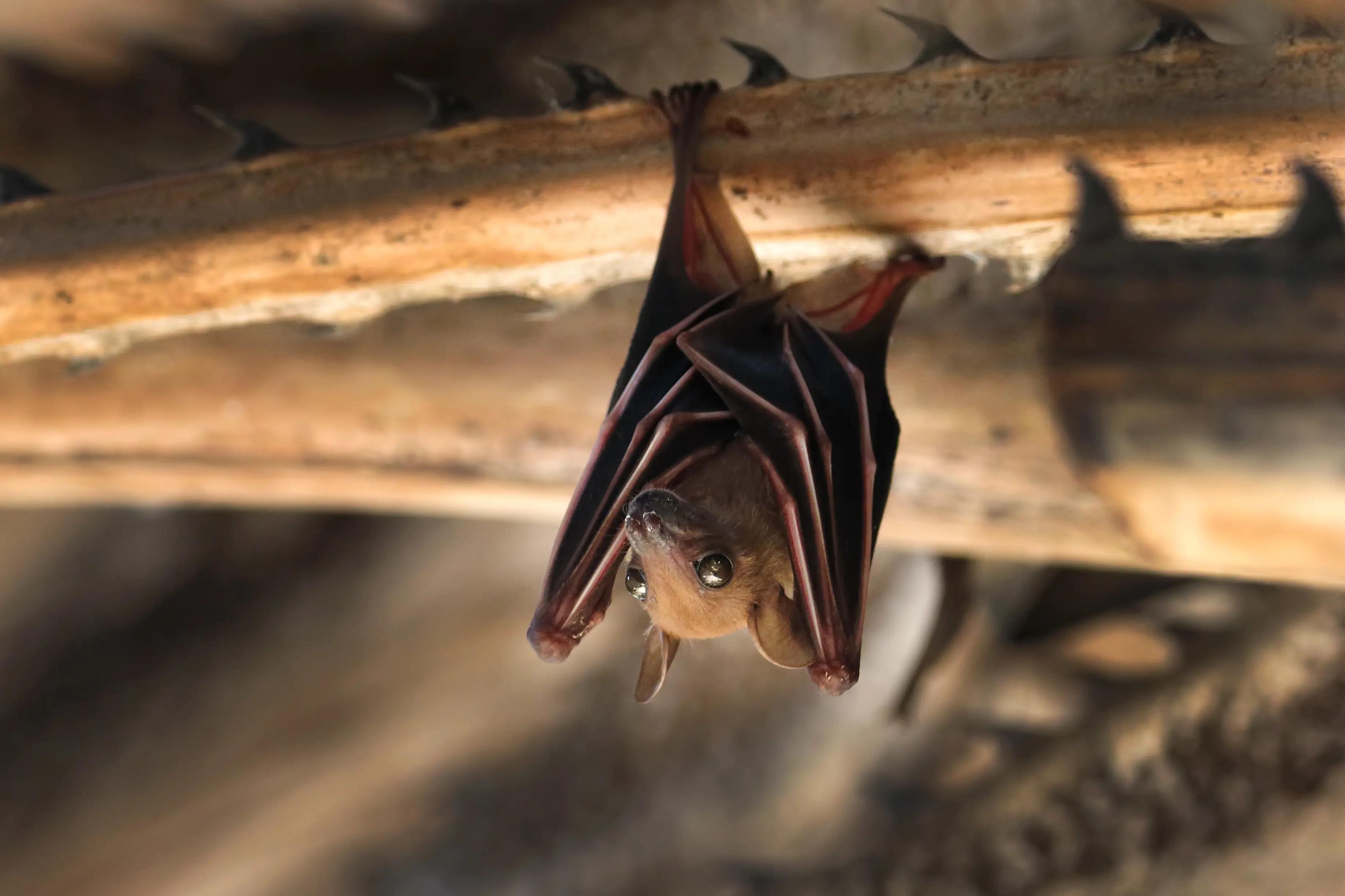
Scarily, it was found that he had contracted rabies, even though there was no visible wound caused by the bat.
However, once symptoms of rabies begin, it’s fatal, per the Mayo Clinic.
This is why experts have come out to use the boy’s case as a warning to others.
If at any point you are touched by a bat, you need to seek help – no matter how long you were touched, or if there was no attack.
"Any direct human contact with a bat, even in the absence of a visible bite or scratch, is an indication that [Rabies post-exposure prophylaxis] PEP [should be administered] and should be discussed with public health authorities," said Dr Brian Hummel, a pediatric infectious disease specialist at the McMaster Children's Hospital.
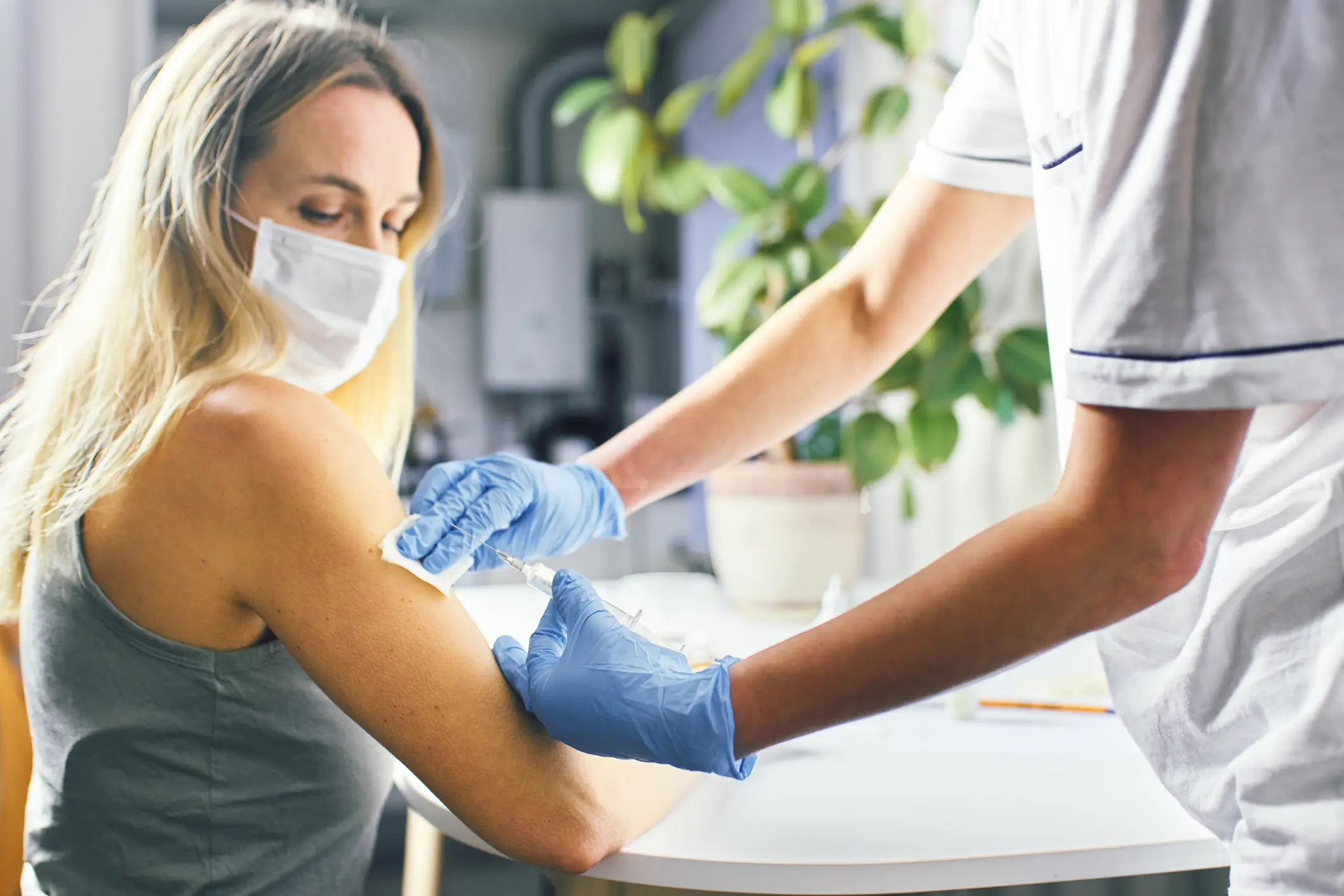
His statement was included in the report, and talks about PEP, which the World Health Organization reveals is an immediate, life-saving treatment administered to those who have come into contact with a rabid animal.
It’s also a preventative measure for those who may be at an increased risk of coming into contact with rabies, says the WHO.
Per the CMAJ report, timing if of the essence, as Hummel told CBC: "It was important to us and to the family to take the opportunity to find learning experiences and lessons that we could take from his case to try and help spread awareness and understanding of rabies infection and risks.”
 Britt Jones