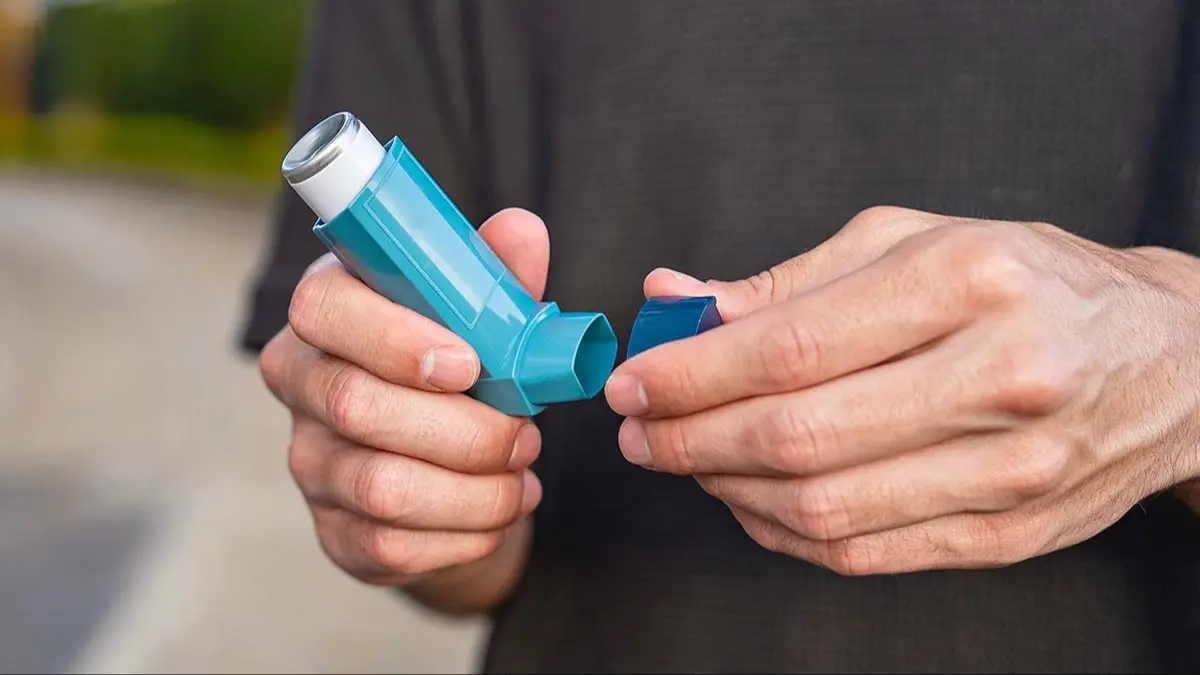
Pharmacist shares 'serious red flag' warning to people using a blue inhaler this winter

A pharmacist and health expert has spoken out on a 'serious red flag' acting as a warning to people who are regular users of blue inhalers.
The popular inhaler, known amongst medical professionals as short-acting beta2 agonist or SABA, is used by roughly 19.5 million people in the US.
They act as essential means to deal with conditions such as asthma and COPD for many, as they help provide relief with breathing difficulties.
The inhaler contains salbutamol, which works by promptly opening the airways and relaxing muscles to help combat breathing problems and are particularly handy for those who suffer from asthma attacks.
Advert
Those who only use blue inhalers may not be receiving the best treatment possible though, with pharmacist Health Ra explaining that due to advancements in the science, some patients may not be getting the best treatment available.
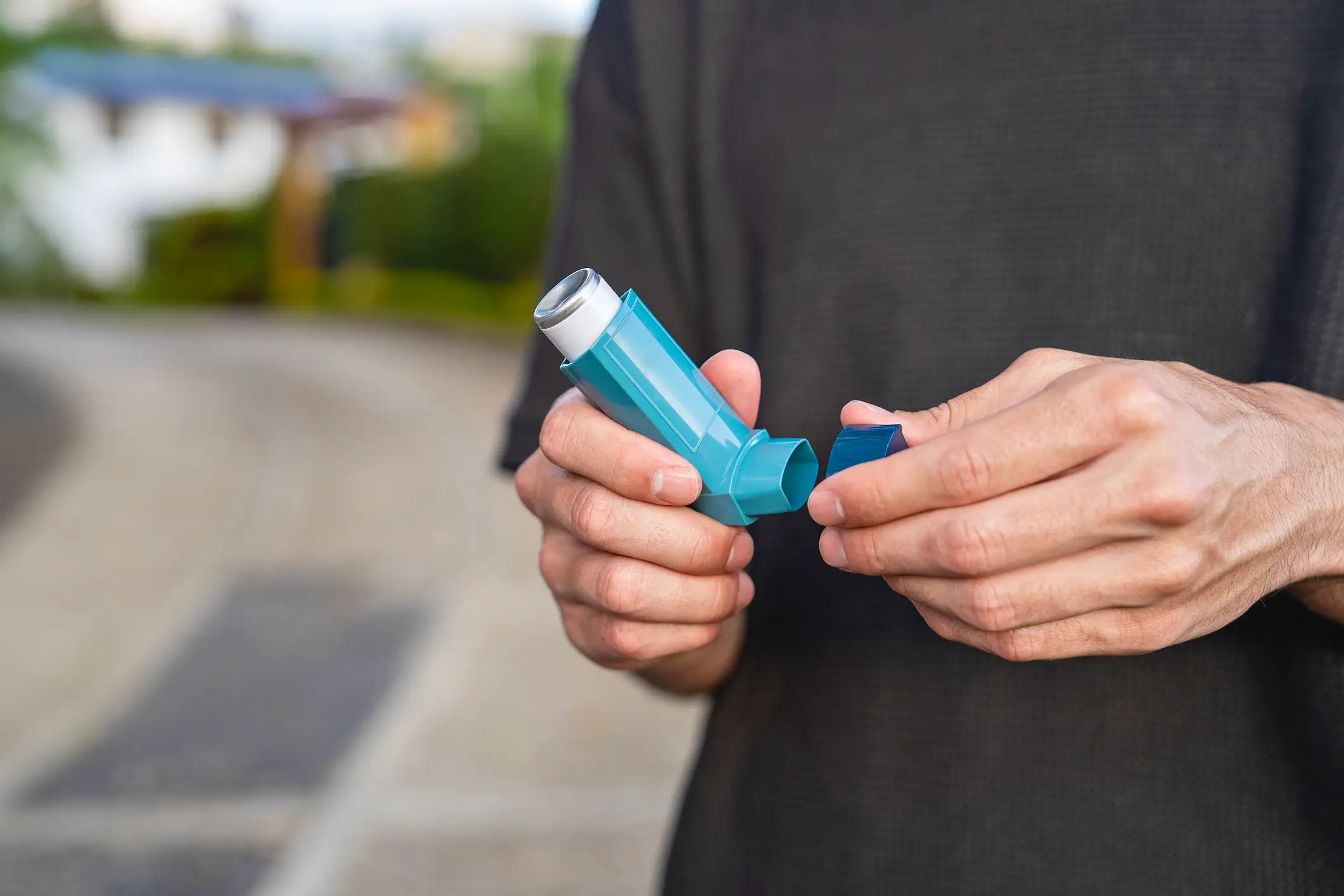
Speaking in a recent TikTok video as per the Mirror, Raj said: "If you're still using your blue inhaler on its own during the winter, that's now a red flag. I've been telling you this for ages as a pharmacist - blue inhalers like salbutamol work really fast. They open up your airwaves.
"But most of you don't ever get told this. They don't treat the inflammation caused by your asthma, so you might feel better in the short term, but underneath, your asthma could be getting worse."
The health expert continued: "New NICE (National Institute for Health and Care Excellence) guidance links overuse with more hospital admissions, more attacks, and higher risk of death. If you need it more regularly, that's not normal asthma. That's full control.
"Ask your doctor about combination inhaler, one that relieves the symptoms and one that treats the inflammation. Whatever you do, don't throw your inhaler away, but don't rely on it either."
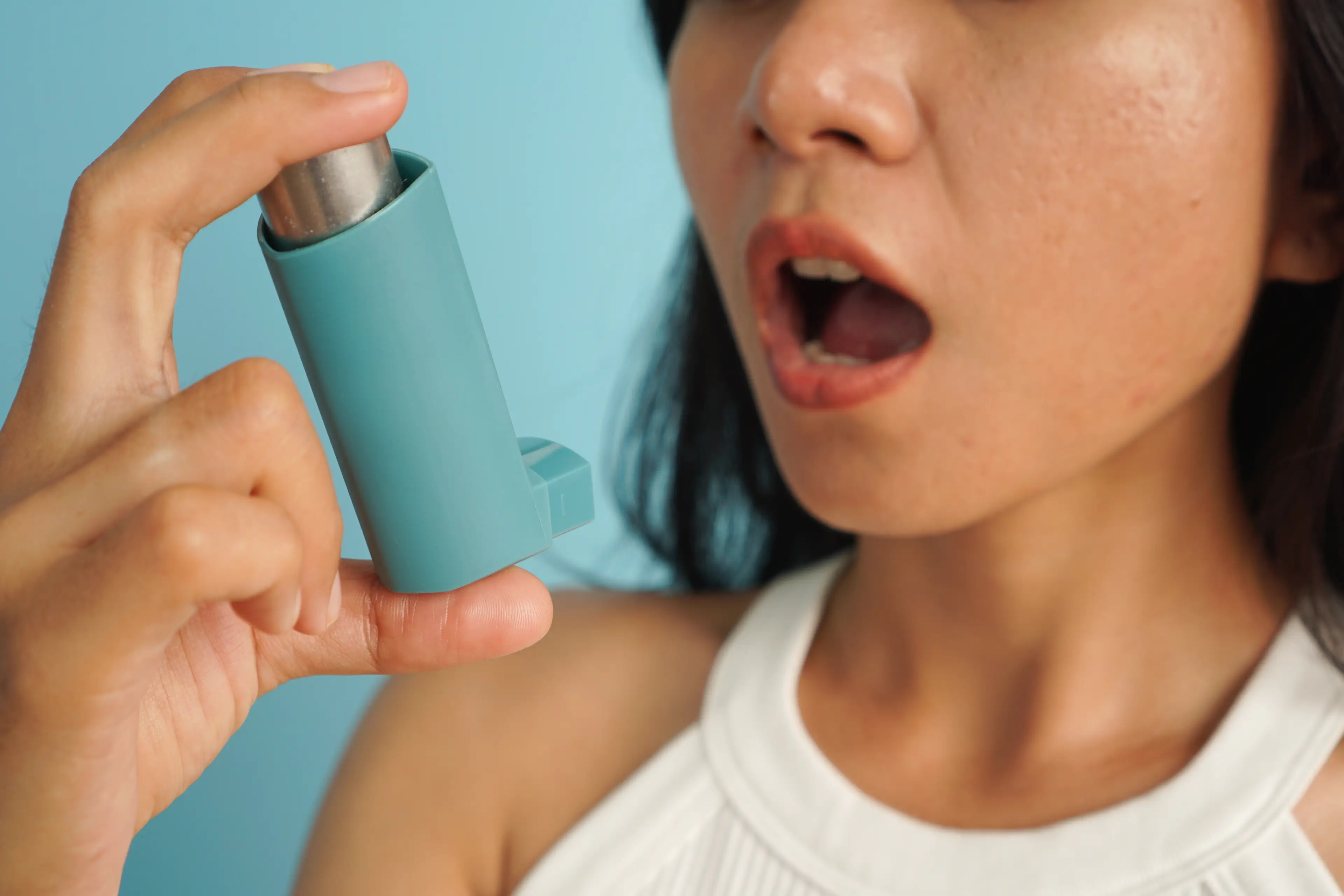
While blue inhalers are certainly effective for that initial relief, Dr Amina Al-Yassin, a GP at Brent Integrated Care Partnership, told the Mirror it's not the main solution when it comes to dealing with complicated issues.
"They make people feel better, but only briefly. We now know that over time, they are likely to make asthma worse. Seeing a blue inhaler used alone is now a dangerous sign to me," the health expert warned.
Those dealing with the long-term affects of asthma or other, similar conditions are advised to speak with a medical professional to discuss the most appropriate treatment options.
Topics: Health
 Callum Jones