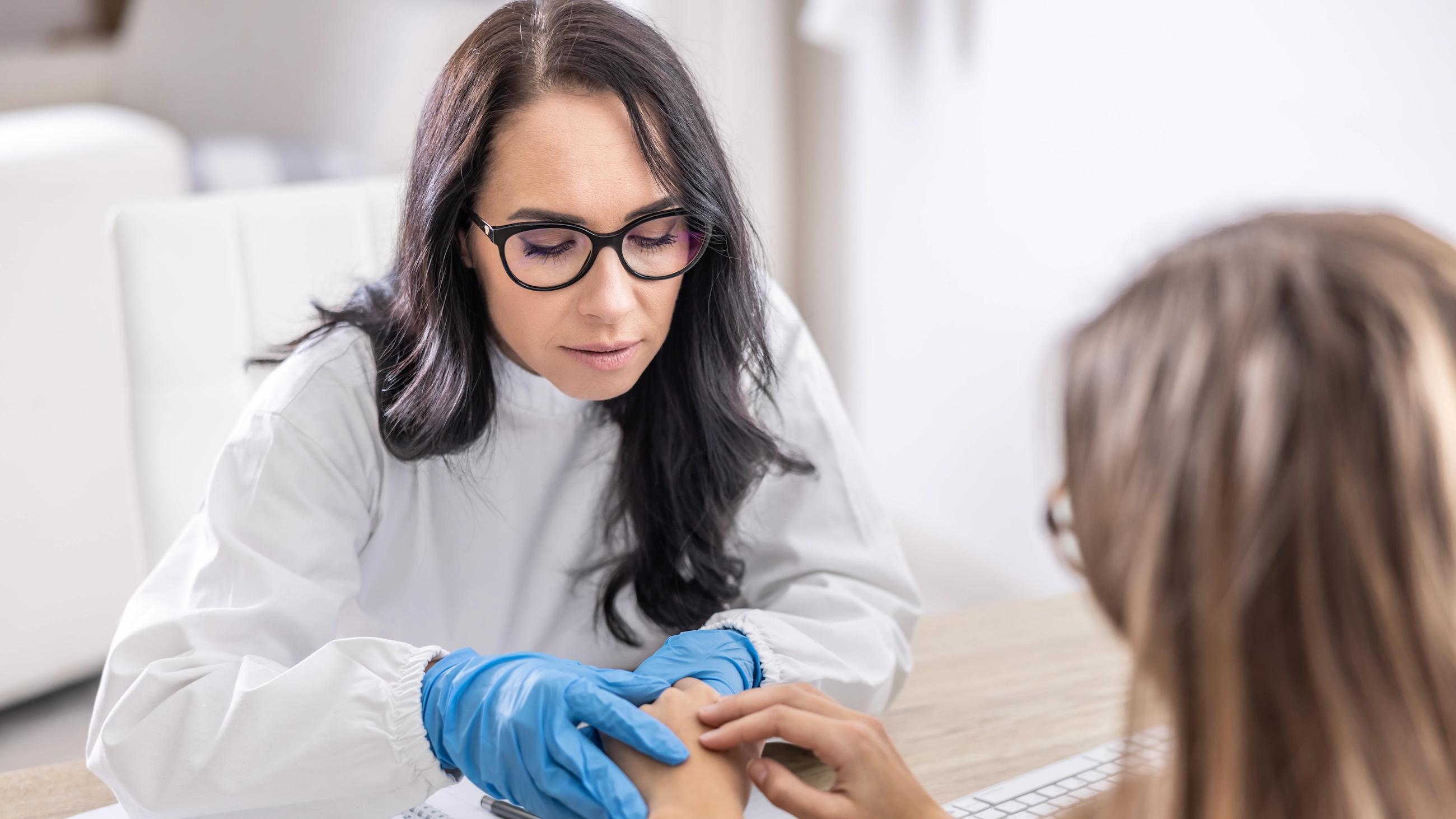
Doctor explains dangers of 'black tumor' cancer as cases rising rapidly

Melanoma is responsible for the vast majority of skin cancer deaths in the US, and experts warn most people wouldn't recognize the warning signs if they saw them.
The New York Post spoke to two dermatologists about what makes the disease so dangerous, and how to catch it before it spreads.
"Melanoma is considered the most dangerous type of skin cancer because it has a high potential to spread (metastasize) to other parts of the body if not detected and treated early," said Dr. Adarsh Vijay Mudgil, a dermatologist.
Unlike more common skin cancers such as basal cell carcinoma, which tend to stay put, melanoma cells can quickly travel through the bloodstream and lymphatic system to other organs, according to Dr. Viktoryia Kazlouskaya, CEO of the Dermatology Circle.
Advert
The stakes are high. According to the American Cancer Society, someone whose melanoma is caught before it spreads has a 99 percent chance of surviving five years.
Once it reaches distant organs, that figure collapses to just 35 percent.
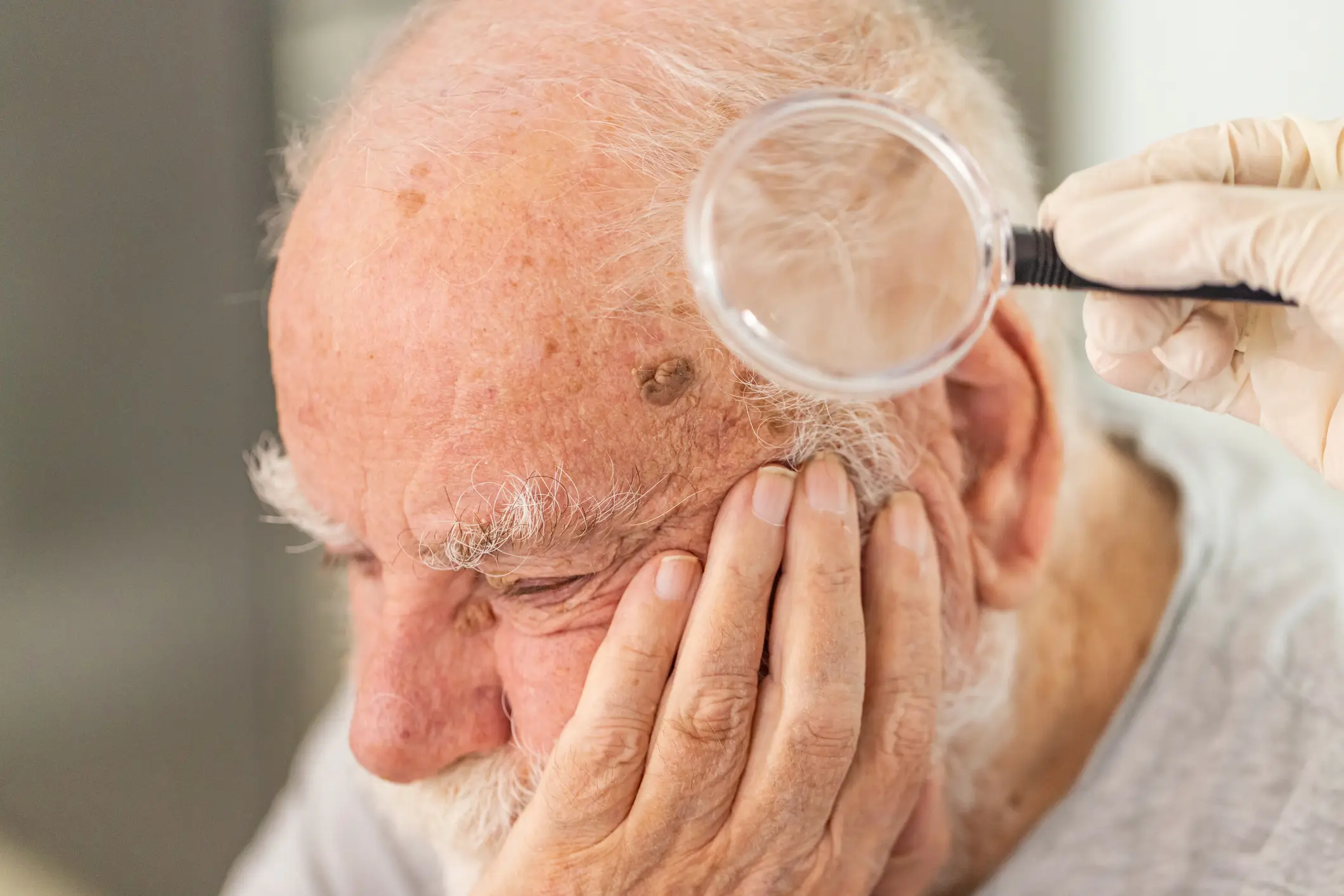
What does melanoma look like?
Mudgil said melanomas can appear as a new mole, a changing mole, or a spot with an irregular shape, border, or color, often in shades of brown, black, pink, red, or white.
He pointed to the 'ABCDE' checklist dermatologists use to flag suspicious spots: asymmetry, border irregularity, color variation, a diameter larger than 6mm, roughly the size of a pencil eraser, and evolution, meaning a mole that visibly changes over time.
But Kazlouskaya cautioned that appearances can be deceiving.
"Many common moles can be large or slightly irregular but are not dangerous," she said. "And vice versa, melanomas are not always very atypical and sometimes don't even have pigment."
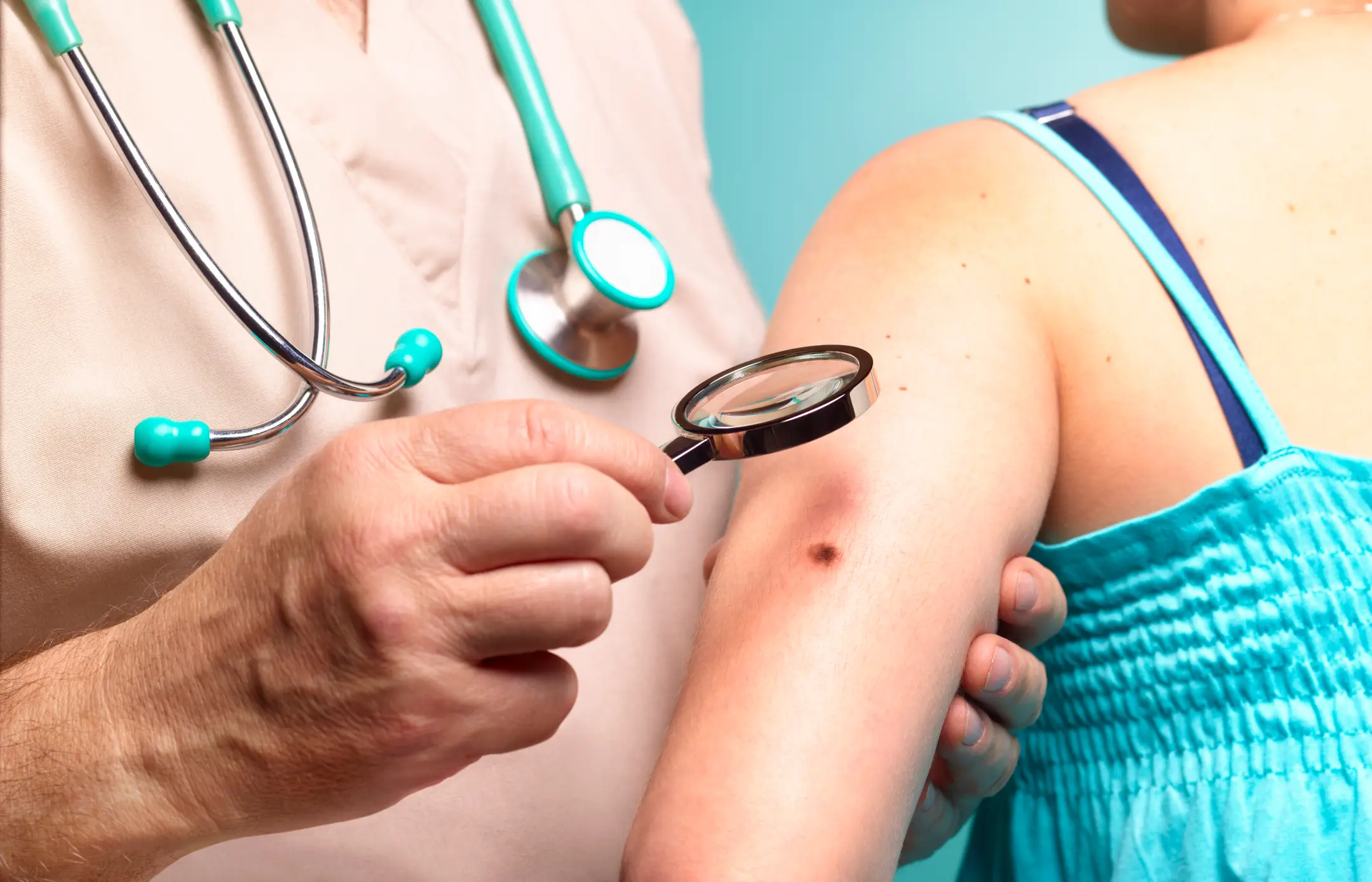
Who is most at risk of melanoma?
Mudgil said melanoma can affect people of all skin tones, but lighter skin significantly raises the odds.
The American Cancer Society puts the lifetime risk at 1 in 33 for white people, compared with just 1 in 1,000 for Black people, largely because lower melanin levels offer less protection from UV damage.
Risk also climbs with age, the average diagnosis age is 66, but melanoma remains one of the most common cancers among people under 30, particularly young women.
Other risk factors include being male, having several moles, a family history of the disease, and a history of severe sunburns in childhood.
Both experts said daily sunscreen, protective clothing, and avoiding indoor tanning beds remain the simplest ways to cut risk, alongside yearly skin checks with a dermatologist.
"If you see something unusual on your skin, get in to see a board certified dermatologist ASAP," Mudgil said.
 Thomas Bamford