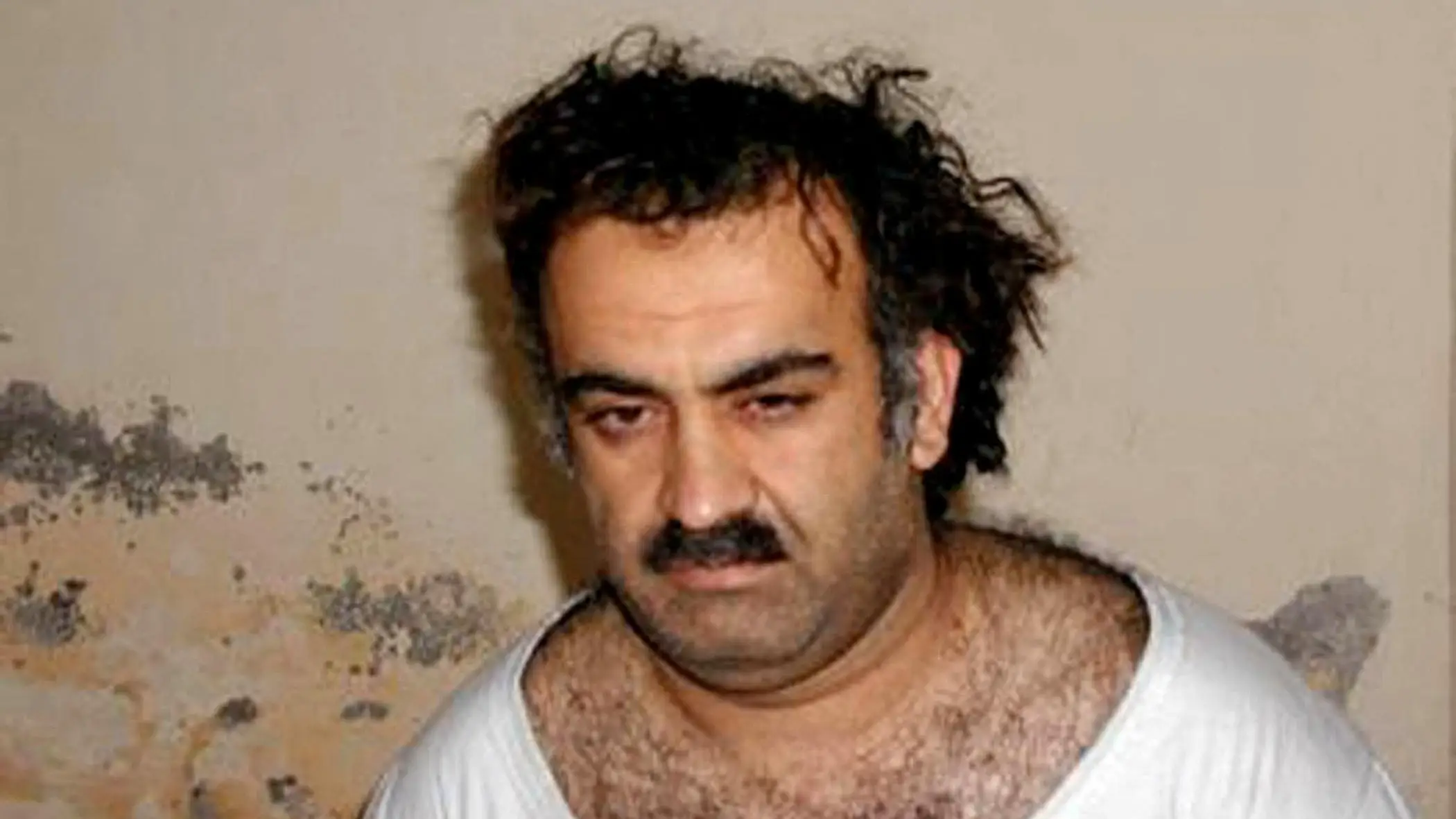
Khalid Sheikh Mohammed’s 9/11 confession thrown out by judge in new ruling

A military judge has ruled that a confession given by Khalid Sheikh Mohammed, the man accused of masterminding the September 11 attacks, cannot be used against him at trial — a decision prosecutors had previously described as central to their case.
According to the New York Times, Lt. Col. Michael Schrama concluded in a 45-page ruling that statements Mohammed gave to FBI agents during 2007 interrogations at Guantánamo Bay were not given voluntarily.
The ruling was not immediately released to the public, though its unclassified contents were confirmed by several lawyers who had seen it.
“The prosecution has failed to prove by a preponderance of the evidence that Mr. Mohammad’s statements to the F.B.I. were voluntarily given,” Schrama wrote in his conclusion.
Advert
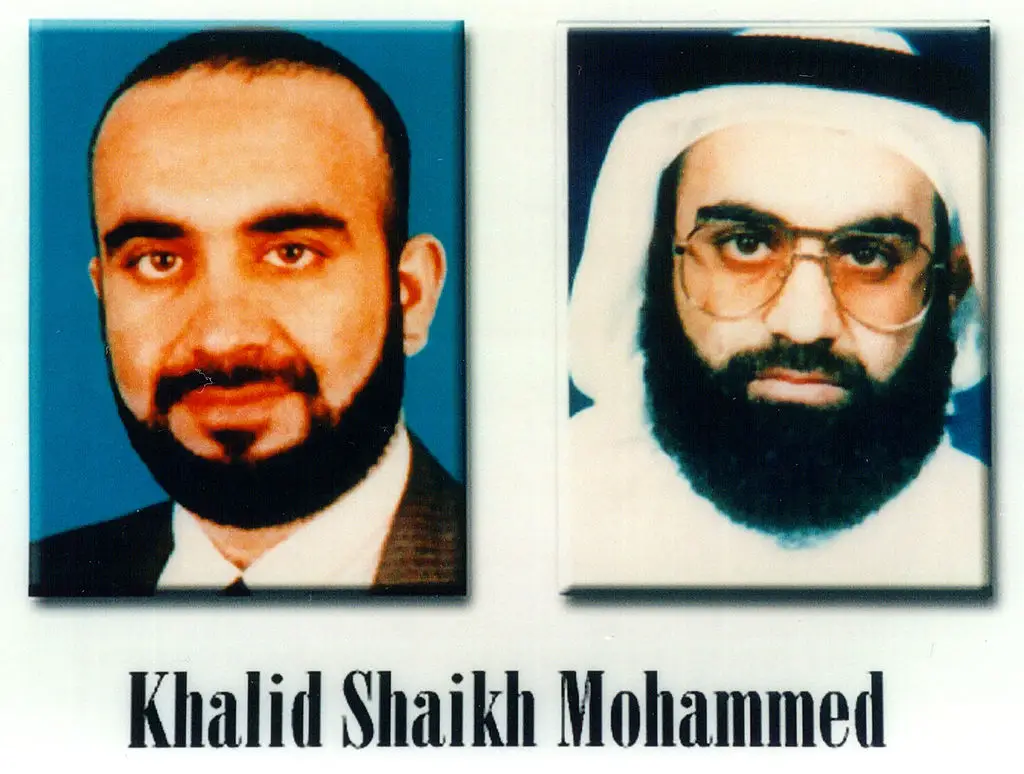
Why was Khalid Sheikh Mohammed’s confession thrown out?
Schrama pointed to several factors behind the ruling, including what he described as an ‘unbroken continuation of the C.I.A.’s psychological conditioning and severe coercion’ at the time FBI agents questioned Mohammed at Guantánamo in 2007. He also found that agents had failed to explicitly tell Mohammed he had the right to remain silent, to consult a lawyer, and that anything he said could later be used against him in court.
Mohammed was captured in 2003 and held in secret CIA prisons overseas, where he was subjected to brutal interrogation, before being transferred to Guantánamo in 2006. Prosecutors had already agreed to exclude statements from those earlier CIA sessions from the case.
Schrama’s ruling goes further, stripping out the later FBI interrogations too, interrogations prosecutors had called the government’s most crucial evidence in the long-running death-penalty case.
The ruling lands just days after Schrama set a trial date of June 5, 2028, and arrives close to the 25th anniversary of the attacks that killed nearly 3,000 people in New York, Pennsylvania and at the Pentagon.
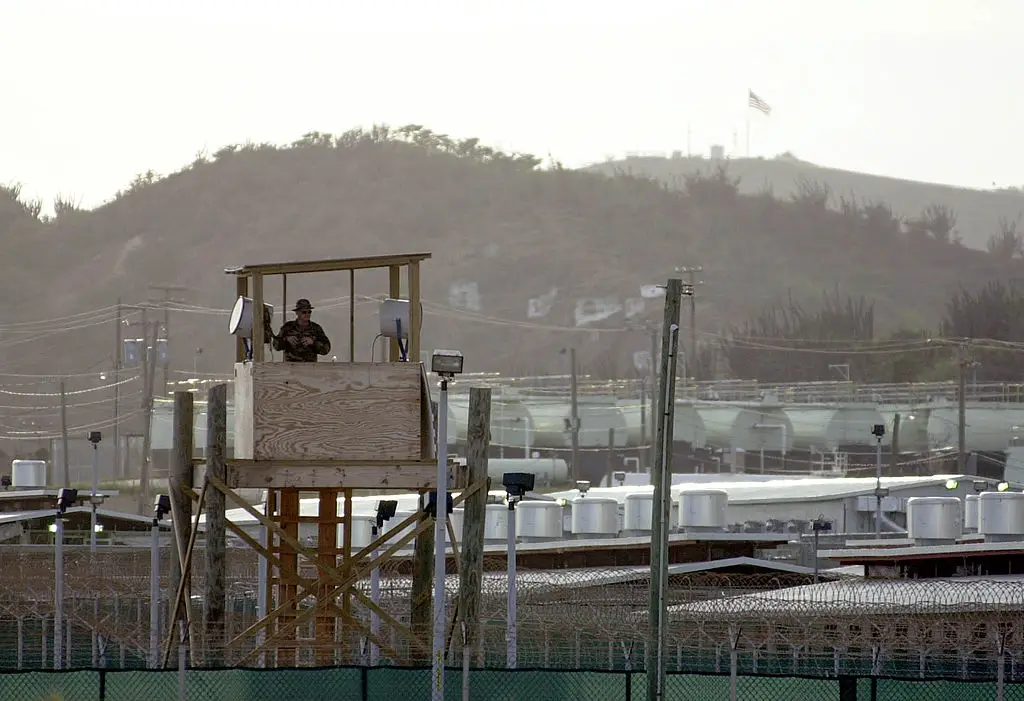
What happens next in the 9/11 case at Guantánamo Bay?
It remains unclear whether prosecutors will appeal the decision in an attempt to have the confession reinstated, a move that could delay the case even further.
The case has already been mired in pretrial proceedings since Mohammed’s arraignment in 2012, with four separate judges having gathered evidence on the voluntariness question before Schrama issued his ruling.
Schrama has yet to rule on similar confession challenges from two other Sept. 11 defendants, Walid bin Attash and Mustafa al-Hawsawi.
A previous judge, Col. Matthew McCall, already threw out the confession of Mohammed’s nephew, Ammar al-Baluchi, who is accused of helping several of the 19 hijackers with finances and travel arrangements.
Elsewhere in the military commissions system, a separate judge, Col. Lanny Acosta, suppressed the confession of Abd al-Rahim al-Nashiri, the defendant in the U.S.S. Cole bombing case, after explicitly finding he had been tortured by the CIA.
Al-Nashiri’s death-penalty trial over the 2000 attack, which killed 17 U.S. sailors, is scheduled to begin in October.
Topics: Crime, Court, US News, World News
 Thomas Bamford