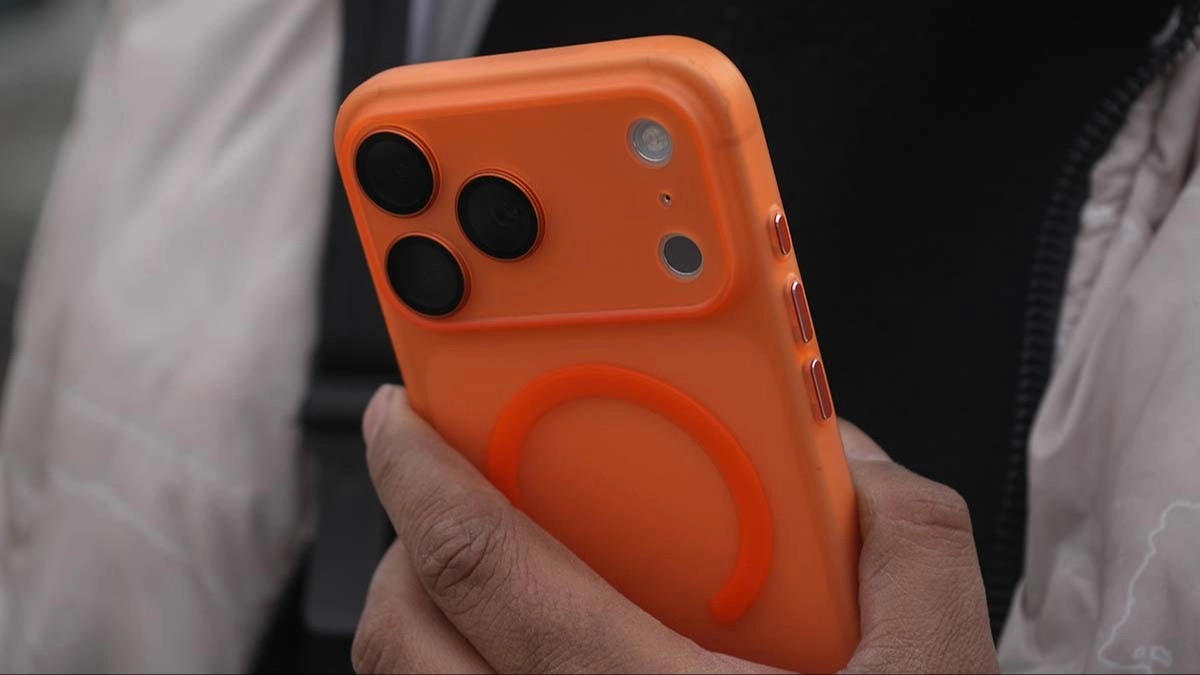
Apple agrees to install 'kill switch' in iPhones to makes them useless to phone thieves

Apple has agreed to install a 'kill switch' on stolen iPhones worldwide that renders stolen devices completely unsellable, dealing a major blow to the 'steal-to-order' blackmarket.
It's believed the global illegal trade of iPhones is worth billions each year.
The tech giant has switched on 'stolen device protection' as a default setting for all users following a campaign led by London's Metropolitan Police Commissioner Sir Mark Rowley, who warned criminals this week: "Your business model is being dismantled piece by piece."
The move makes apple the first major tech company to change its security settings globally in response to the UK's phone theft epidemic.
Advert
London has become notorious as the global capital of phone theft, with around 200 devices snatched each day.
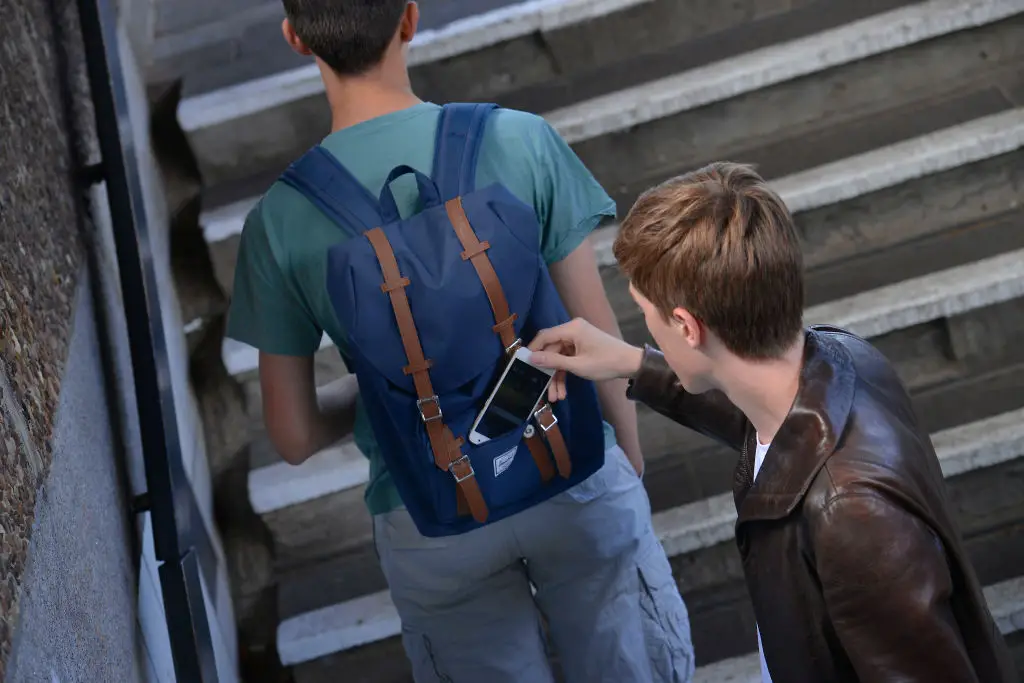
How does the Apple 'kill switch' work?
When a user registers their phone as lost after it's been stolen, by logging into iCloud.com/find on another device, the handset is effectively bricked.
Thieves are blocked from changing passwords and reconnecting the device to a network, making it impossible to sell on.
A stolen iPhone becomes, in short, completely worthless.
In a landmark agreement, the Metropolitan Police and Apple are now sharing data on stolen handsets, allowing the force to track devices and identify whether they reappear in circulation.
Since that joint work began, Apple has recorded a significant drop in stolen phones being successfully reactivated.
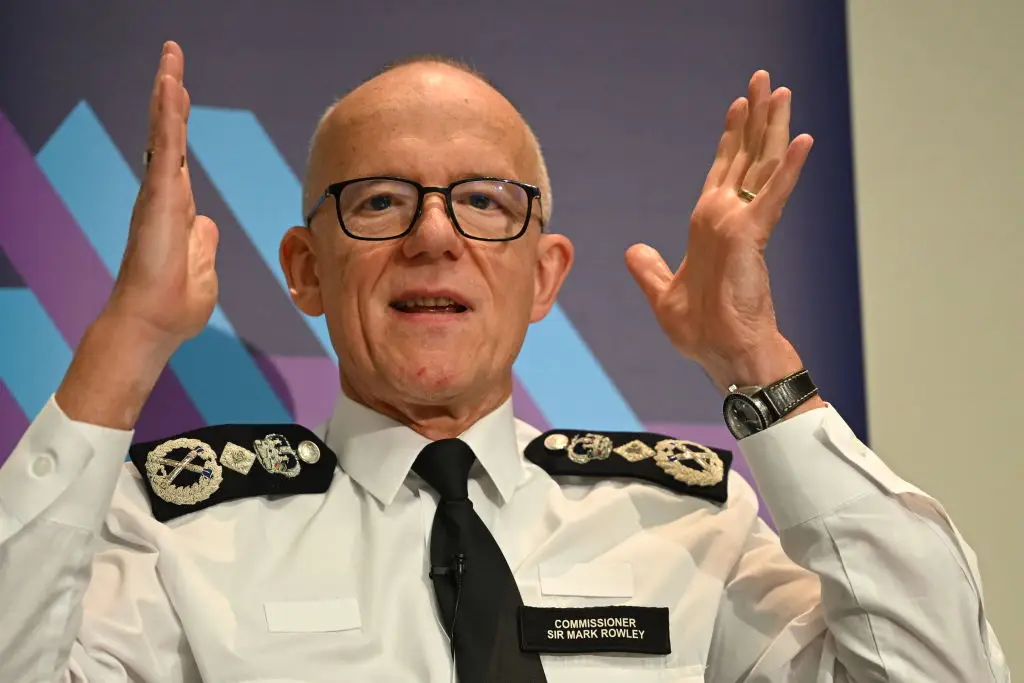
Sir Mark said the partnership could eradicate the crime entirely: "We can strike at the heart of this crime by destroying the business model that sustains it. Now the rest of the industry and government must act to finish the job."
Samsung and Google are now also making security changes in response to the pressure.
The scale of the problem has been staggering. Between 2017 and February 2024, a total of 587,498 phones were stolen across London, but only 13,998 were ever recovered.
Detectives also uncovered Snapchat adverts offering children as much as £380 to steal a single iPhone, with a £100 bonus for stealing ten.
Last month, three members of a major phone-smuggling network pleaded guilty to a £180 million operation.
Amir Muhammad Khadikhel, 35, Ismat Miakhel, 33, and Mansoor Mohammed, 30, admitted to smuggling 62,000 stolen phones.
The gang was at one point responsible for nearly half of all phones stolen in London, with devices traced through suburban British warehouses before landing in Dubai, Hong Kong and China.
In a significant crackdown, the Met has managed to almost have mobile phone muggings in Westminster this year following hundreds of arrests.

How many phones are snatched per year in the USA?
Phone snatching remain a significant concern in the USA, with over a million smartphones stolen annually.
Driven by the high resale value of devices on the black market and the massive amounts of personal data they contain, snatch-and-grab thefts primarily plague densely populated urban areas and crowded transit hubs.
Incidents are heavily concentrated in highly populated urban centers.
Major cities like New York City (where cell phones are involved in roughly 40% of all robberies) and Washington, D.C. have historically seen higher rates
 Thomas Bamford