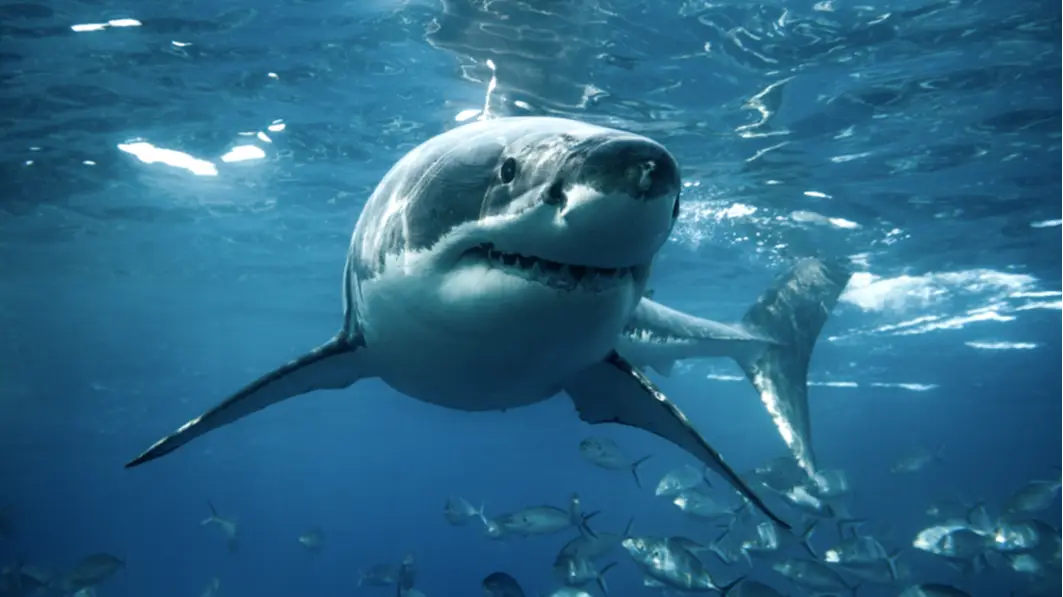
Sharks in popular tourist hotspot are high on cocaine and caffeine, study finds

Scientists have discovered traces of cocaine in the blood of sharks swimming off the coast of the Bahamas.
The shocking new study also found traces of caffeine and painkillers in blood samples collected from three different shark species.
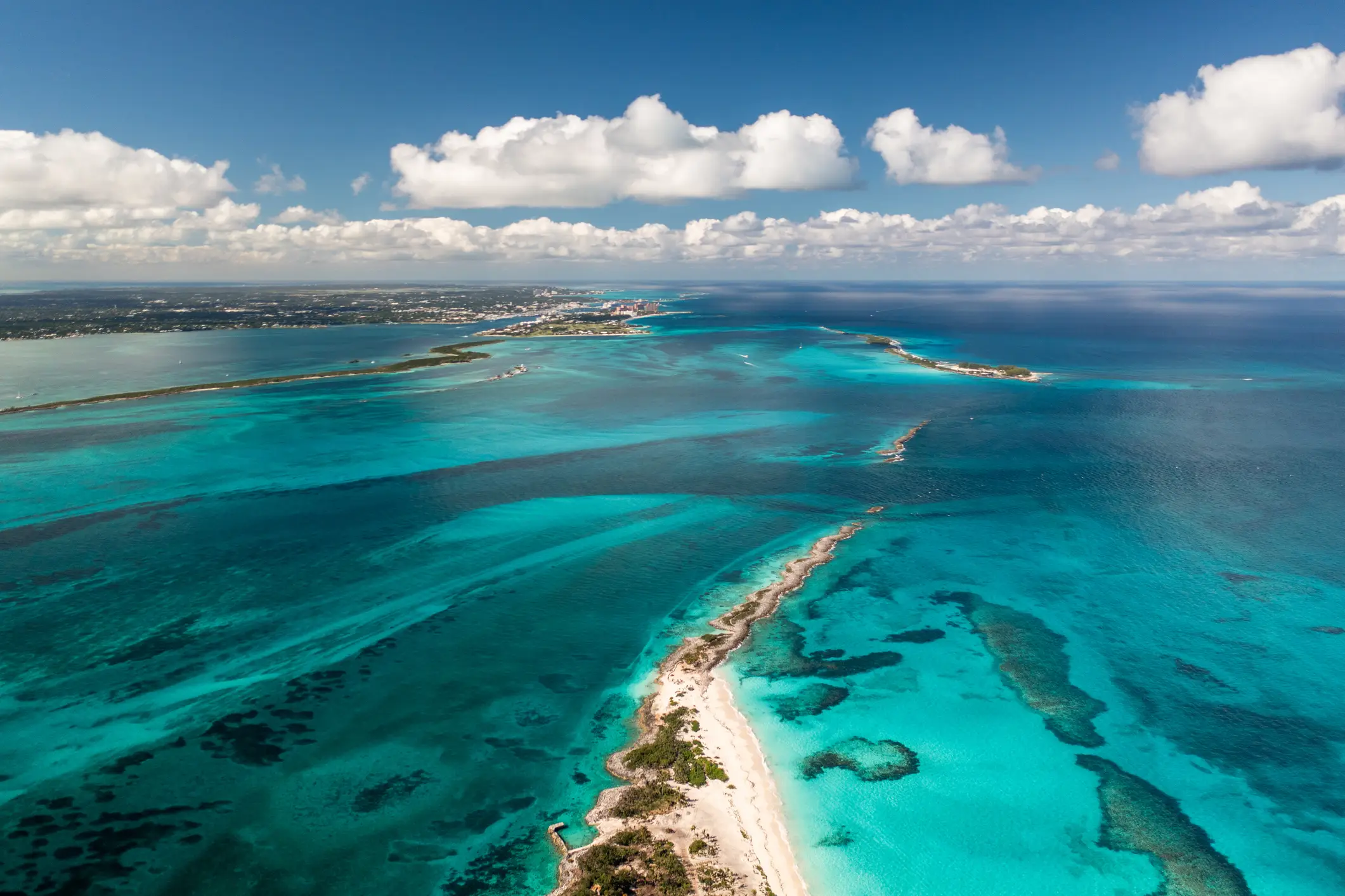
Researchers found the sharks while studying species around Eleuthera Island, located 50 miles east of Nassau, the capital of The Bahamas in the Atlantic Ocean.
The discovery of the drugs in the marine animals provides even more evidence about substances created for humans making their way into ecosystems.
Advert
The research team from the Cape Eleuthera Institute in The Bahamas believe packets of cocaine may have fallen into the water. Although it remains unclear exactly how the sharks were able to consume the drugs.
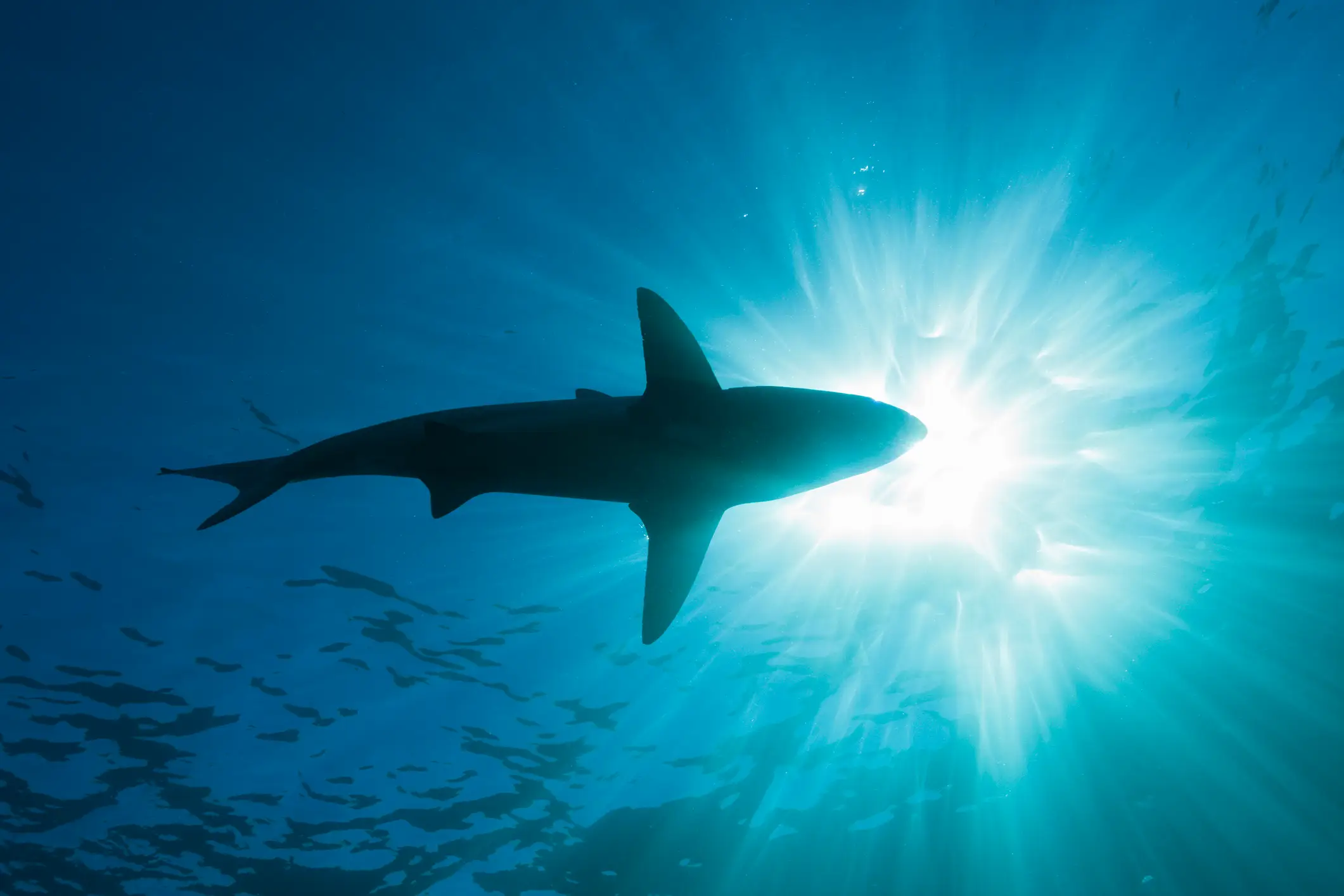
“They bite things to investigate and end up exposed to substances,” lead author Natascha Wosnick explained to Science News.
Caffeine was the most frequently detected substance, with 27 sharks out of 85 testing positive.
Cocaine was found in two of them, while diclofenac, which is used as an anti-inflammatory, was detected in 13 and paracetamol was found in four sharks.
The sharks exhibited changes in metabolic markers, include lactate and urea. It’s unclear how these changes might impact the sharks’ behaviour.
The study also uncovered the highest number of positive results all came from one site that is hugely popular with tourists. Wosnick explained currents could carry drug traces from sewage or other sources on the island, however divers are the more likely to blame.
It marks the first time caffeine and paracetamol has been recorded in sharks anywhere in the world, as well as the first time cocaine and diclofenac has been recorded in sharks in The Bahamas.
Separately, a scientific study in Brazil found that wild sharks off the coast of Rio de Janeiro had measurable levels of cocaine in their bodies, marking the first confirmed case in free-ranging sharks. Researchers tested 13 Brazilian sharpnose sharks, and all samples contained cocaine, with most also showing its metabolite, benzoylecgonine. These findings are said to be due to human activity.
Additionally, a different group of scientists have tracked a massive great white shark named Contender, described as the largest ever recorded in the Atlantic, measuring around 14 feet and weighing over 1,600 pounds.
Estimated to be about 30 years old, the shark was initially tagged earlier in the year before disappearing from tracking systems for nearly a month.
He later resurfaced in a popular tourist region in North Carolina after previously being detected along the Florida-Georgia coastline, suggesting significant long-distance movement. Researchers believe this shift is linked to seasonal migration and feeding behaviour, as sharks travel in search of richer food sources.
Explaining this pattern, one expert noted: "This time of year white sharks are starting their late spring/early summer migration (16 May to 30 June) moving from their southern overwintering area to their summer/fall foraging areas in the northeastern US and Atlantic Canada."
 Greg Harris