AI translates 2,000-year-old ancient text written by someone describing Jesus 'rise from the dead'

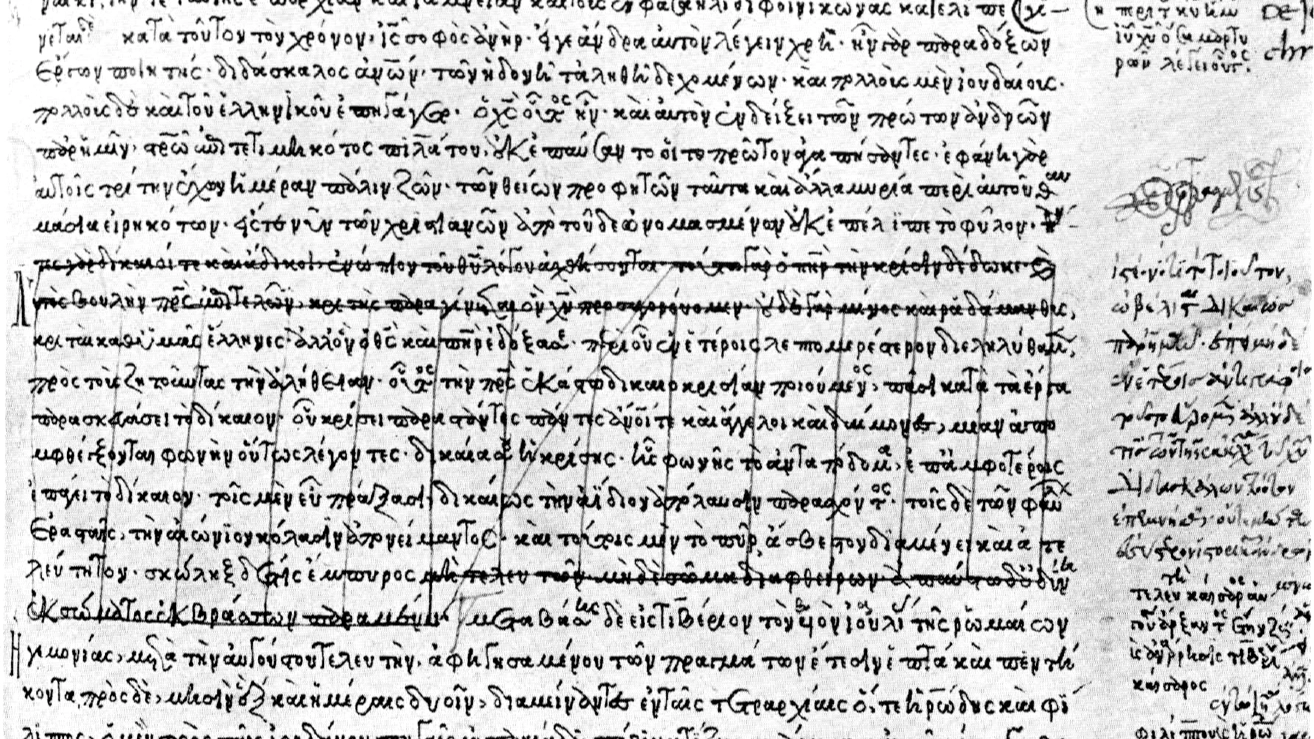
AI chatbot Grok has translated an ancient text, believed to date back around 2,000 years, which appears to describe Jesus rising from the dead three days after his crucifixion.
Jesus Christ is arguably one of the most talked-about figures to have ever lived, but how much do we actually know about the man behind the religion?
His life, teachings and eventual crucifixion have been documented in the Bible, with Christians all around the world believing he was the son of God who rose from the dead.
Now Grok, the artificial intelligence chatbot developed by Elon Musk's X platform, has shared a translation of a passage known as the Testimonium Flavianum.
Advert
The passage is attributed to Flavius Josephus, a first-century Jewish historian who documented the history of the Jewish people during the Roman Empire.
Written around 93-94 AD, the account appears in Josephus' historical work Antiquities of the Jews and includes references to Jesus, his teachings and his execution under Roman governor Pontius Pilate.
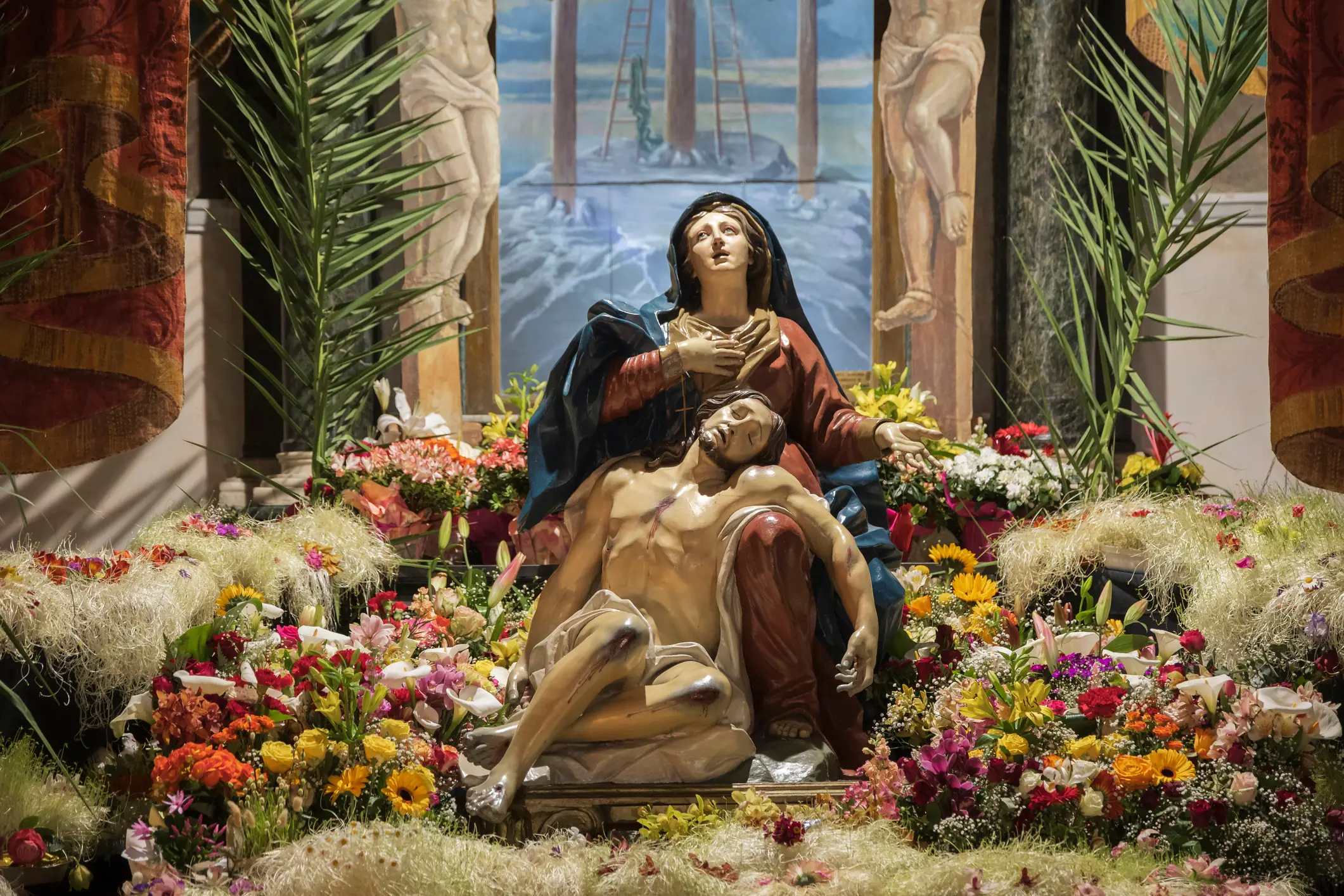
But it's one particular section of the passage that has drawn attention, as it appears to describe Jesus coming back to life three days after his brutal death.
In its translation, the AI bot wrote: "About this time lived Jesus, a wise man, if one ought to call him a man. He did surprising deeds, taught those accepting truth gladly, and won many Jews and Greeks. He was the Christ. Pilate crucified him on charges from our leaders; his first lovers did not stop."
It continued: "He appeared to them alive on the third day, as divine prophets foretold these and myriad wonders about him. The Christian tribe named from him has not vanished to this day."
Is the ancient text actually authentic?
Despite its historical significance, the passage has been the subject of debate among historians for centuries.

Some of its wording has raised questions, particularly the statement that Jesus 'was the Christ' and the apparent endorsement of his resurrection.
Given that Josephus was Jewish, some scholars believe that Christian scribes may have altered parts of the original passage as it was copied and passed down through the centuries.
There are several theories about its origins, ranging from Josephus having written the passage largely as it survives today, to the possibility that Christian writers added significant sections or inserted it entirely.
However, the possibility that Josephus originally wrote about Jesus, with later alterations to the text, remains an important position in the debate.
While Grok's translation has brought renewed attention to the passage, it does not settle the centuries-old debate.
Topics: Religion, Artificial Intelligence
 Mia Williams