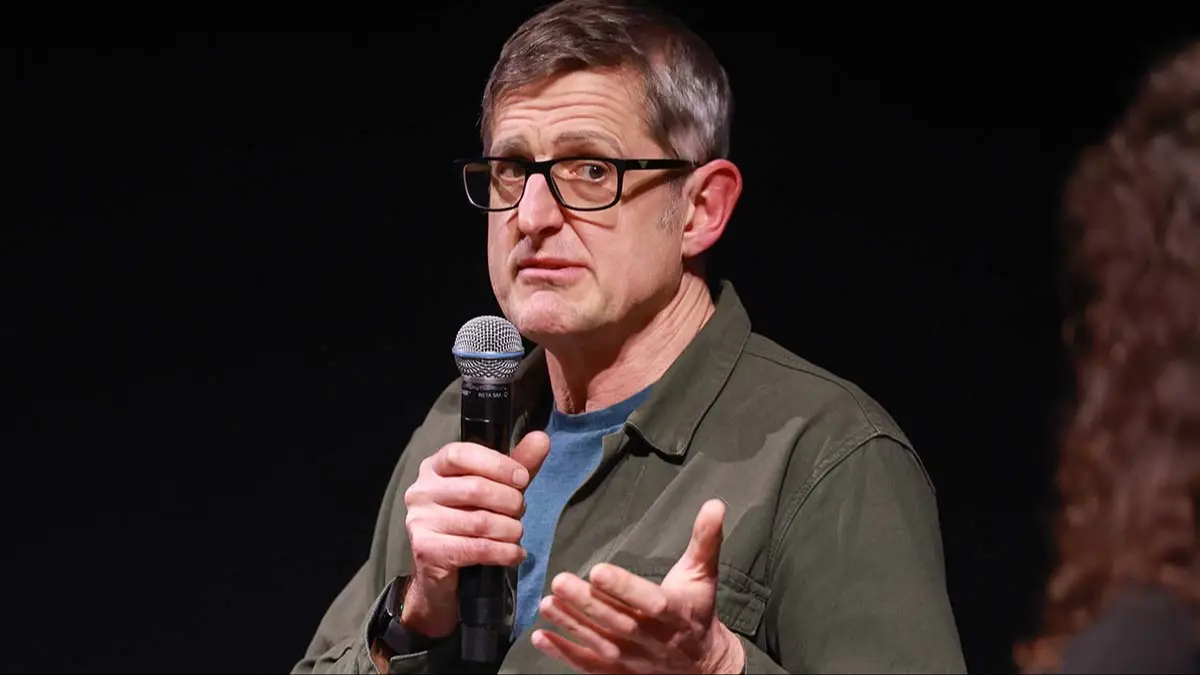
Everything missed in Manosphere documentary after Louis Theroux gets called out by streamer

British documentary legend, Louis Theroux dove into the Manosphere, but experts have suggested there were important undertones that were not addressed, as Myron Gaines hit out at both Netflix and the journalist.
Gaines, whose real name is Amrou Fudl, called out Theroux's Netflix documentary for trying to make him look ‘crazy’, as it explores controversial male figures on social media, who preach anti-women speech and dangerous rhetoric.
With flashy cars, big houses, and bragging about having ‘one-sided monogamy’ with their girlfriends, the podcasters involved have received a lot of criticism online both before and after the doc.
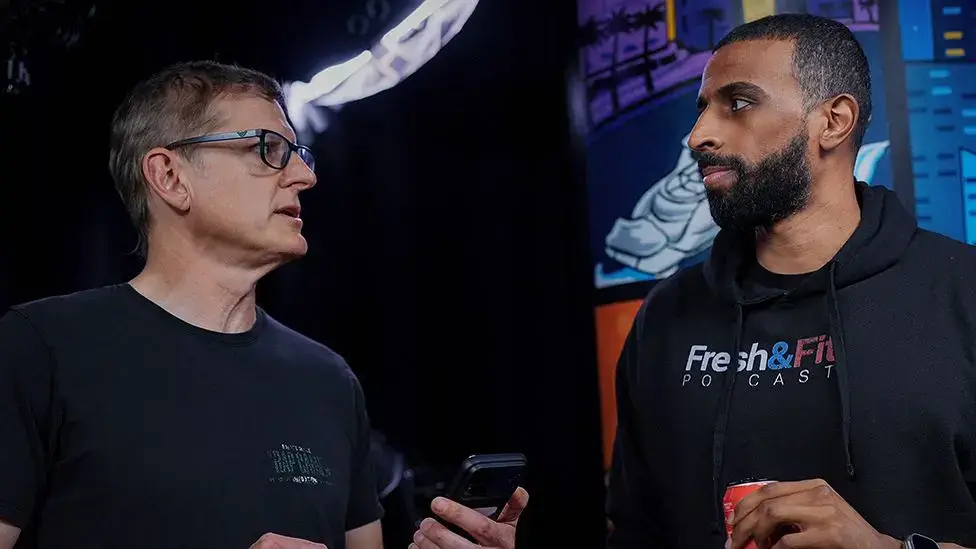
This includes Gaines, who is the host of the Fresh & Fit podcast, which regularly talks about status, masculinity, women, and social standards.
Advert
But did Theroux and Netflix miss the mark whilst trying to explain the growing world of the red-pilled (The Matrix reference) Manosphere?
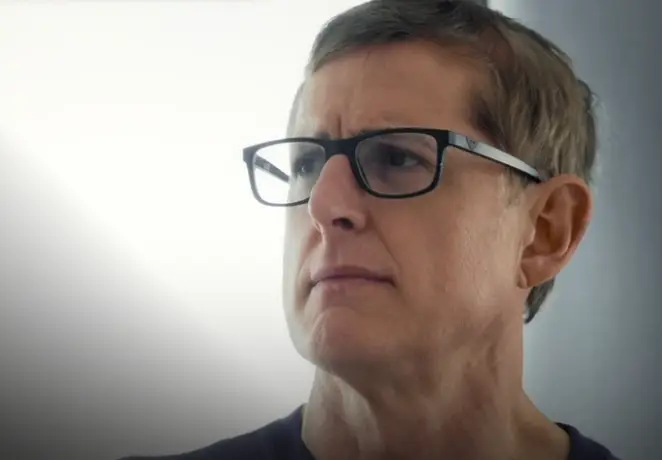
According to the University of Birmingham’s Dr Sophie King-Hill and Emma Pountney, it did.
The pair said in a lengthy deep-dive into the documentary for the UK institution: “Understanding the appeal of the manosphere requires looking beyond its most controversial voices. The wider ecosystem online works to offer encouragement and perceived belonging amidst cultural change.”
The explored how social media offers very little for young boys and men who are isolated or perhaps feel unsure about where they belong.
Instead, the controversial figures online are seen as a beacon of confidence, surety, stability, and even mentor-ism for those who need a place to feel at home.
When the Netflix film Adolescence came out, it shone a light on the scary world of incel culture online, which bleeds into the Manosphere a lot.
However, the experts questioned the appeal of men like Andrew Tate, Gaines and more.
They wrote: “The pressure to perform masculinity in a world where traditional norms are shifting is a struggle seemingly faced by the loyal followers of these male influencers.
"The uncompromising tone and certainty offered by this content can be persuasive for young men who feel uncertain about their place in a rapidly changing social environment.”
But because the documentary talks about the podcasters and their material things, money, and careers over these themes of lacking a sense of self in society, Emma and Sophie say ‘this risks creating a worrying impression that young men are deliberately seeking out extreme content and are inspired primarily by discriminatory messages and promises of financial success'.
They said: “Often, young men are enticed by this content through humorous and supportive videos which do not display overt misogyny, instead encouraging self-mastery and clear-cut identity guidance, which resonates with many young men today. These influencers construct a sense of community and belonging through motivational messages and the endorsement of rigid masculine ideals, which they describe as declining in modern society and needing to be reinstated.”
Throughout time, the parasocial relationship they develop with these mentor-types, can lead to the boys and men to begin to accept more extreme views over time.
Like how men are victimized by women through rejection, feminism, and standards.
“Despite their claims, research shows their rhetoric and narratives are inherently misogynistic, fostering resentment and frustration towards women through the idea of male victimhood,” they wrote.
Without recognizing these undertones, the pair say ‘there is a risk of an overly blame-focused approach towards young men and boys who find themselves in a cycle of algorithmic recommendations for this content.’
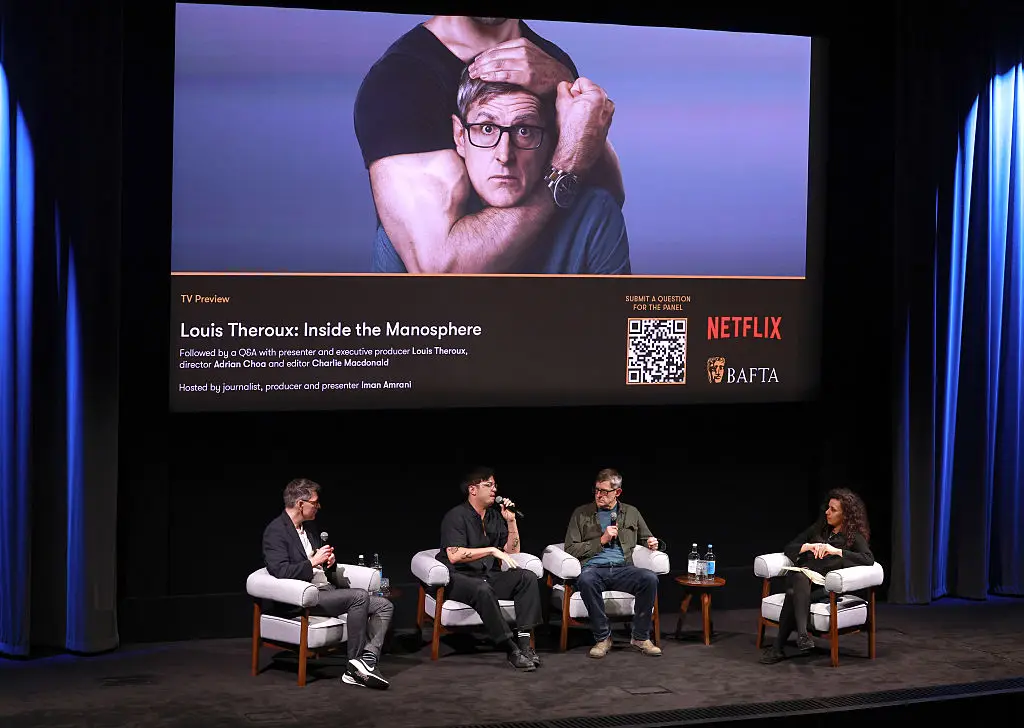
When it came to Gaines, he refuted the idea that he didn’t like women, despite his tendency to demoralize and verbally abuse them on his show.
Instead, he positioned himself as somewhat of an expert on women, telling Theroux: “I love women, and I actually understand them. So, since I understand them, I know what’s best for them.”
To this, the women explained that ‘where ideals of hyper-masculinity through wealth and success are well documented by Theroux, and their being unavoidably tied to female subordination and the reinstatement of traditional gender hierarchies built on assumptions of women being “lesser-than” is an idea not fully explored, despite the clear harm this is causing to those in society today’.
They concluded their analysis by stating that we need to look beyond the Manosphere and not tarnish all with the same brush.
They wrote: “Whilst the findings of the documentary are incredibly concerning, it is crucial that we do not treat Louis Theroux: Inside The Manosphere as a uniform picture of all men and boys. The behaviours and ideologies showcased here represent a small but highly visible subset of online actors.
“Most young men and boys do not hold these views, and many actively reject them. A growing number of boys feel caught between conflicting social expectations, and it is precisely this sense of uncertainty and vulnerability that makes them susceptible to these influencers in the first place.”
UNILAD reached out to representatives of Louis Theroux and Netflix for comment.
Topics: Louis Theroux, Netflix, Documentaries
 Britt Jones