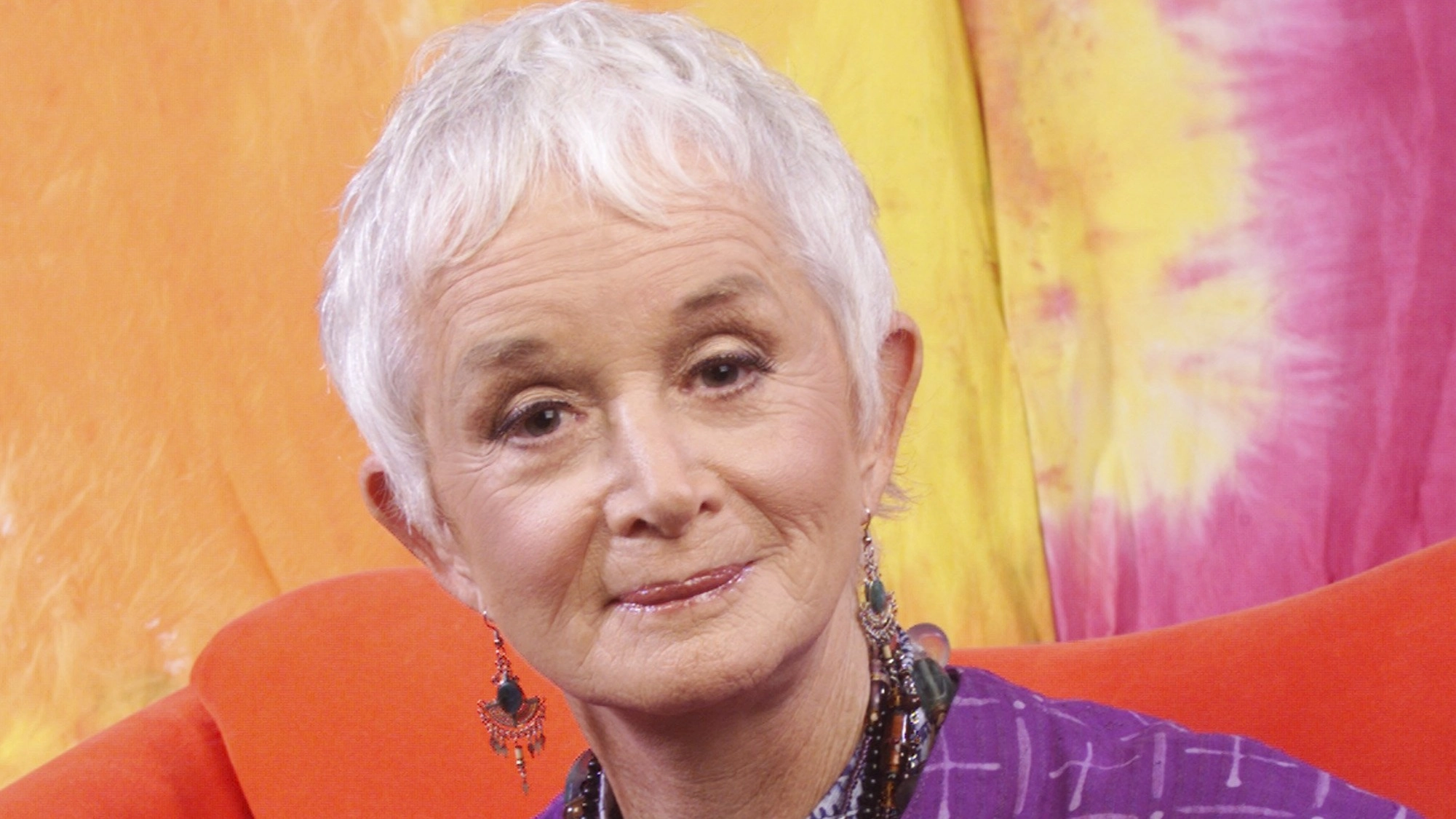
Oscar-nominated actress Barbara Barrie dies aged 95 by medically assisted death following terminal cancer

Acclaimed stage, screen, and television actress Barbara Barrie has died at the age of 95 following a terminal cancer diagnosis, with her family confirming she passed away through medically assisted dying.
The Oscar- and Tony-nominated star died on Wednesday, Oct. 28, at her home in Manhattan, according to The New York Times.
Her daughter, Jane Harnick, confirmed that her mother chose to end her life via medically assisted death following her terminal prognosis, bringing a dignified conclusion to a pioneering, seven-decade career.
Born Barbara Berman in Chicago in 1931, Barrie originally studied journalism in Texas before pivoting to drama and relocating to New York.
Advert
She made her Broadway debut in 1955’s The Wooden Dish and broke into cinema with a role in 1956’s Giant.
Her breakthrough arrived with the landmark 1964 independent drama One Potato, Two Potato, in which she portrayed a white divorcée in an interracial marriage opposite Bernie Hamilton.
Her bold performance earned her the prestigious Best Actress award at the Cannes Film Festival.
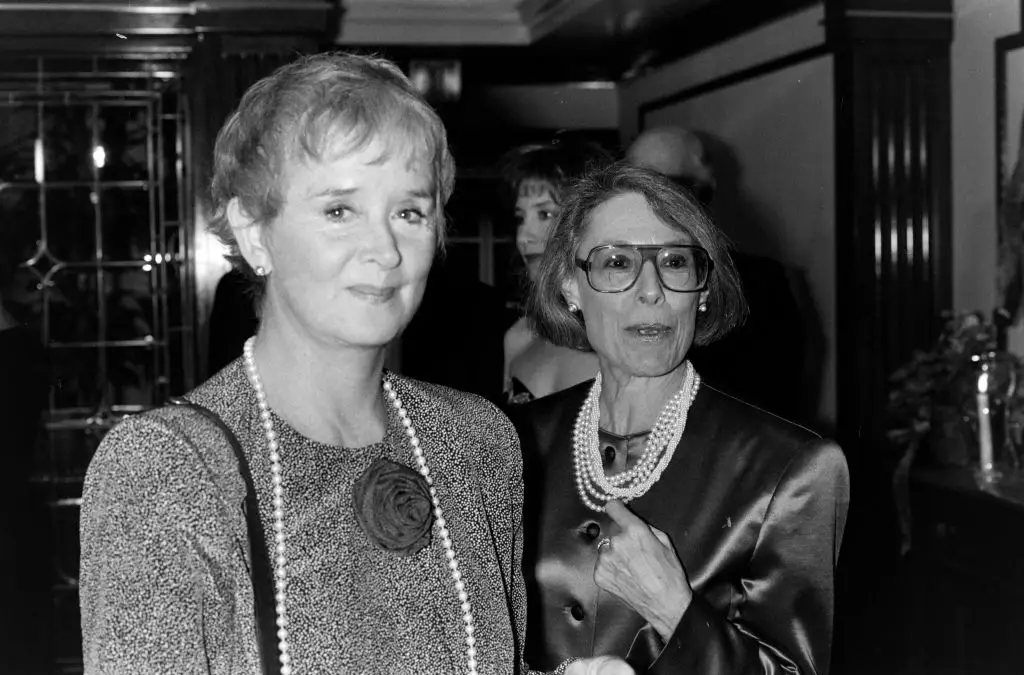
Barrie transitioned seamlessly between stage and screen, earning a Tony Award nomination in 1970 for originating the role of Sarah in Stephen Sondheim's iconic Broadway musical Company. In 1979, she scored an Academy Award nomination for Best Supporting Actress for her poignant performance in the coming-of-age classic Breaking Away—a role she reprised in the subsequent television adaptation, which garnered her first Emmy nomination.
Television audiences also embraced her across multiple generations for her memorable roles as Elizabeth Miller in Barney Miller, Helen Keane in the Brooke Shields sitcom Suddenly Susan, and guest appearances on Law & Order and Law & Order: SVU, both of which earned her additional Emmy nods.
Beyond the screen, Barrie was celebrated for her fearless public health advocacy.
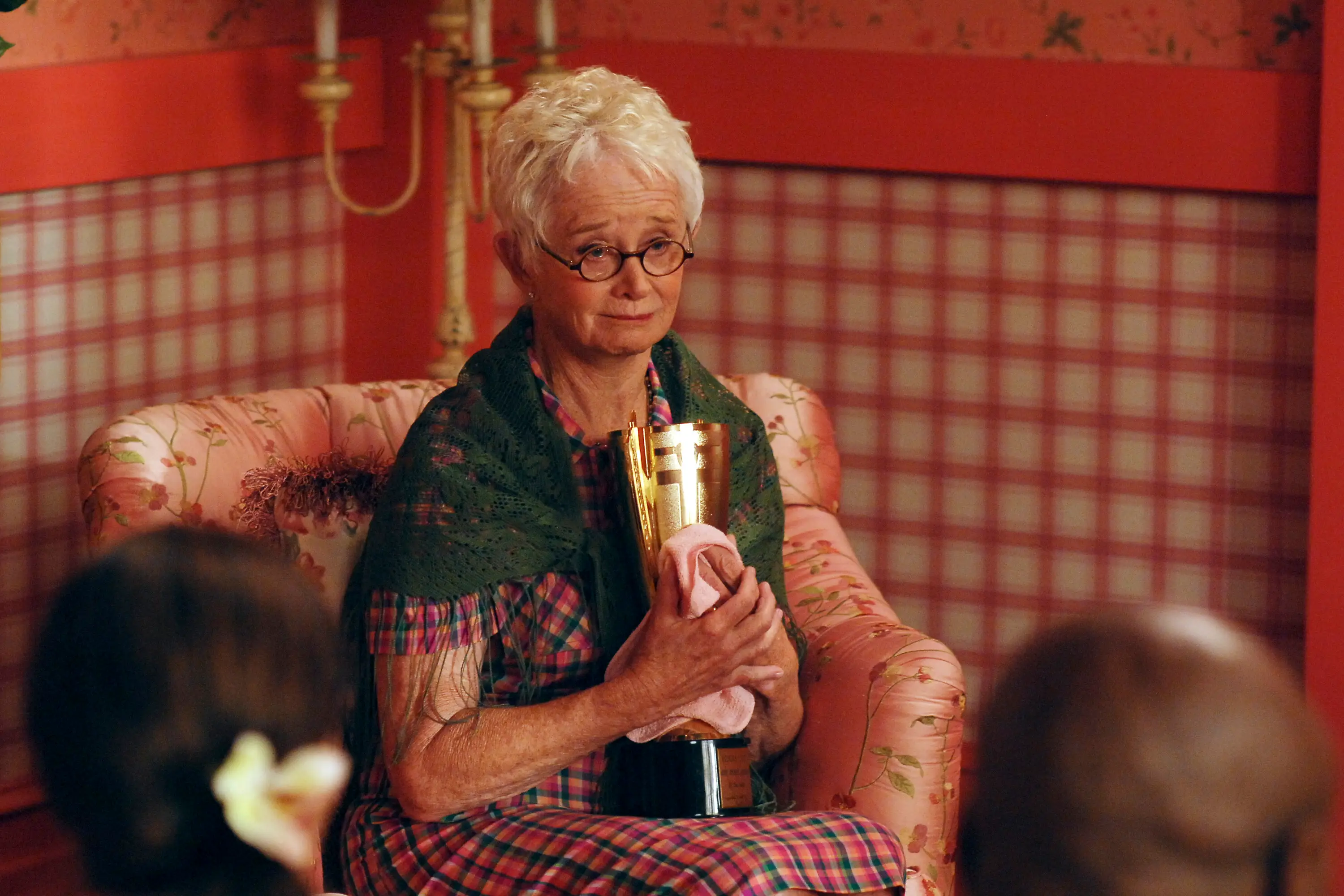
Following a 1994 rectal cancer diagnosis, she broke societal taboos by speaking candidly about gastrointestinal illnesses, authoring two frank memoirs: Second Act (1997) and Don't Die of Embarrassment (1999).
“I think if I can get the word out on this thing, that will be my legacy,” she shared in 1997, actively challenging the stigma that prevented people from seeking life-saving screenings.
Despite earning widespread critical acclaim and major nominations, Barrie remained deeply grounded, famously telling The New York Times in 2017: “I can’t stand that kind of thing. I can’t stand it. Your life is more important than your work.”
Barrie was predeceased by her husband of 43 years, producer and director Jay Harnick, who died in 2007, and is survived by her two children, Jane and Aaron.
The star's decision to choose to pursue medically assisted dying has long been a polarising issue across the United States, with just a small handful states legally allowing the practice.
What is medically assisted dying?
Medically assisted dying—often legally referred to in the United States as Medical Aid in Dying (MAID)—is a clinical practice allowing mentally capable, terminally ill adults with a prognosis of six months or fewer to request and self-administer a lethal prescription to end their suffering.
It differs fundamentally from voluntary euthanasia based on who administers the medication: in medically assisted dying, the patient must personally ingest the life-ending drugs themselves, whereas euthanasia involves a medical professional directly administering the fatal dose (such as through an intravenous injection).
Active voluntary euthanasia remains illegal across all 50 US states.
By contrast, medical aid in dying is legally authorized in 10 US states—including Oregon, Washington, Vermont, California, Colorado, Hawaii, New Jersey, Maine, New Mexico, and Montana (via state Supreme Court precedent)—as well as the District of Columbia.
While New York has repeatedly debated a proposed Medical Aid in Dying Act, it has not passed into law, meaning New York residents who pursue legal assisted dying generally do so through cross-border healthcare frameworks or reciprocal medical care in neighboring jurisdictions like New Jersey or Vermont, which eliminated their state residency requirements for the procedure.
 Phoebe Tonks