
Signs of testicular cancer as Dwayne Johnson recalls scare from 'painful' lump

Dwayne Johnson has revealed how scary it was when he recently experienced a cancer scare, and there are some signs you’ll need to know.
The actor, who has been seen as a major figure in the fitness world thanks to his WWE career and toned physique, opened up about the moment he thought he was in a really precarious position that could have had life-shortening implications.
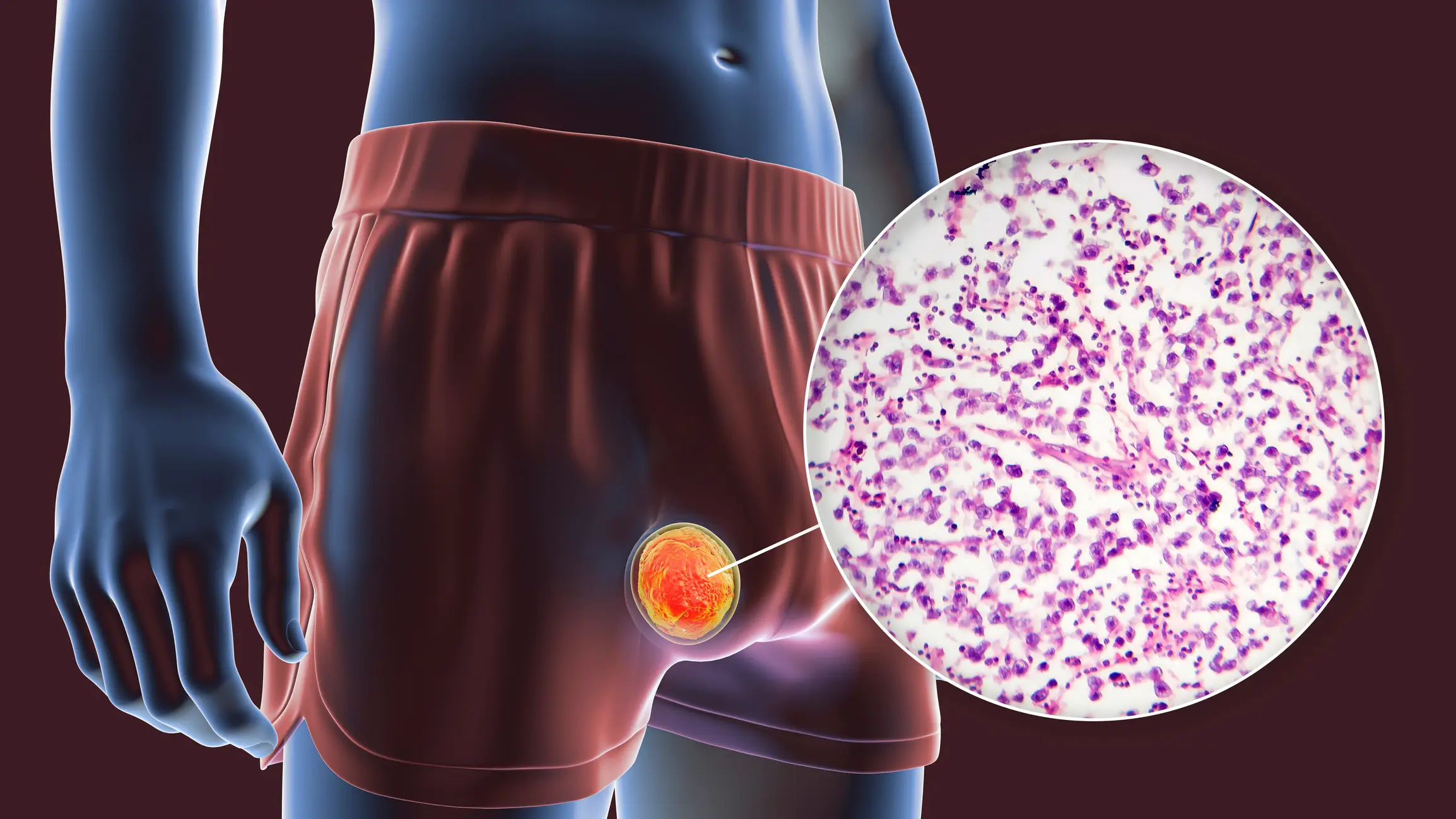
Johnson said he was trapped in 24-hours of the unknown after discovering a painful lump on his testicles.
The Moana actor revealed in an Esquire interview published Thursday (11 Juen) that he discovered a painful lump in his left testicle, leading to him to begin a journey that he dealt with in silence.
Advert
“I didn’t even tell Lauren,” Johnson said, referring to his wife. “I didn’t want to worry her before I knew if it was anything to even worry about.”
However, when the condition kept worsening after finding it on a Friday, by Monday he was sat in his doctor’s office who speculated it could be one of two things: epididymitis — an inflammation of a tube located at the back of the testicle — or cancer.
“By the way, I’m fine,” Johnson said in his interview, indicating that it was the former condition. “But I didn’t know that then, and the thing was really painful.”
A lot of the time, a painful lump is considered to be less likely to be cancerous, with doctors and health sites often pointing to painless lumps as the worriers.
But that’s not always the case.
When it comes to testicular cancer, pain is one of its main symptoms.

Per the Mayo Clinic, the cancer type, which usually impacts men aged 45 and over, a lump or swelling in either testicle, heaviness in the scrotum, sudden swelling in the area, a dull ache in the lower stomach or groin, pain or discomfort in a testicle or scrotum, enlargement or tender breast tissue and back pain are all things you could experience before a diagnosis.
While uncommon, men who have an undescended testicle, a family history of testicular cancer, or are ethnically white, are more at risk.
Sadly, there is no preventative measures to take to stop getting the cancer, but if you think you might have it, speaking with a healthcare professional as soon as possible can help to shed clarity on the situation and possible treatment options.
Those include things like surgery and chemotherapy.
Topics: Cancer, Health, Dwayne Johnson, Celebrity
 Britt Jones